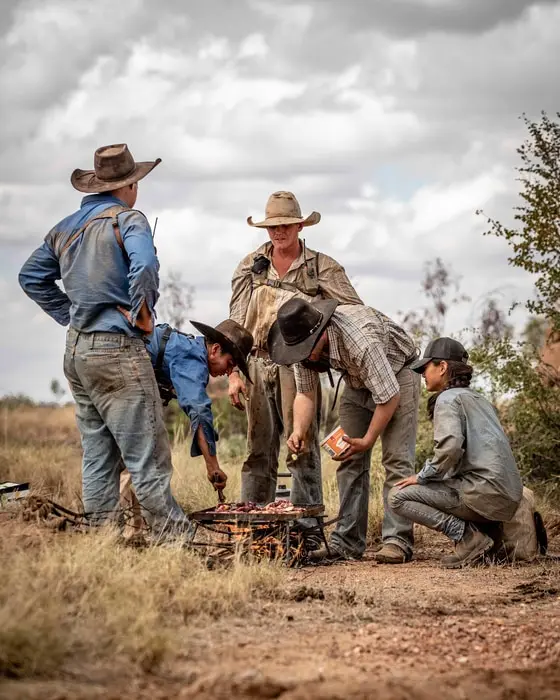
What to Bring to a Cattle Station: Complete Packing List
Heading to a cattle station for the first time can feel daunting, especially when it comes to knowing what gear to pack. This practical cattle station packing list covers the work clothes, boots, bedding, toiletries, tools and personal gear most station workers should consider taking.
This guide has been compiled with help from experienced RFTTE members, station workers and pastoral employers. Packing requirements vary between properties and positions, so always ask your employer what is supplied before you start buying gear.
Cattle station packing checklist
Essential work gear
- Wide-brim hat
- Work boots
- Long-sleeve work shirts
- Jeans or work trousers
- Large water bottle or jug
- Sunglasses
- Work gloves
- Watch
Accommodation and personal items
- Sheets and blankets
- Pillow
- Towels
- Toiletries
- Medication
- Laundry powder and pegs
- Casual clothes
- Thongs for showers
Ask before buying
- Swag
- Riding boots
- Horse gear
- Motorbike helmet
- Riding helmet
- Radio pouch
- Personal protective equipment
- Wet-season gear
1. Wide-brim hat and sun protection
A quality wide-brim straw or felt hat is one of the most important items you can take. You may spend long days working outside, so choose a hat that provides good protection for your face, ears and neck and stays secure in windy conditions.
A peaked cap is also useful for workshop jobs, yard work, travel and cooler days, but it should not replace proper sun protection during extended outdoor work.
- Wide-brim straw or felt hat
- Peaked cap
- High-SPF sunscreen
- Lip balm with sun protection
- Neck scarf or bandana


2. Work boots and riding boots
Most station workers need sturdy, comfortable work boots suitable for uneven ground, cattle yards, workshops and general property work. The right footwear will depend on whether you are working mainly on foot, riding horses, using motorbikes or operating machinery.
Common footwear to consider
- Work boots: Durable boots suitable for yards, machinery, fencing and general station work.
- Riding boots: Smooth-soled boots with a defined heel may be preferred when riding horses.
- Joggers: Useful for exercise, downtime and some light duties where permitted.
- Rubber thongs: Handy for shower areas, camp, laundry and downtime.
- Dress or clean boots: Useful for races, rodeos, campdrafts or social events.


3. Station work clothing
Station clothing needs to be practical, comfortable and suitable for heat, dust, cold mornings and physical work. Lightweight, breathable fabrics are useful in hot weather, while long sleeves and full-length trousers provide protection from the sun, scrub, insects and dust.
Suggested clothing quantities
- Five cotton or lightweight long-sleeve work shirts
- Four to five pairs of jeans or work trousers
- Two pairs of shorts for downtime or suitable duties
- Plenty of socks and underwear
- Warm jumper or fleece
- Warm jacket
- Gloves for cold motorbike mornings
- Wet-weather jacket if required
- Casual clothes for days off and social events
- Swimmers or togs
- Sturdy belt


4. Water bottle and hydration gear
A large, durable water bottle or insulated jug is essential. Station work can involve long hours in the sun, often away from the homestead or reliable drinking-water access.
- Large water bottle or jug
- Insulated drink container
- Smaller bottle for vehicles or horse work
- Hydration backpack if recommended
- Electrolyte or hydration tablets
- Insulated mug for tea or coffee


5. Pocket knife, multi-tool and everyday equipment
A practical pocket knife or multi-tool can be very useful for everyday station jobs. It should be durable, easy to carry and stored safely in a suitable pouch.
- Pocket knife or multi-tool
- Leather or durable belt pouch
- Battery-powered torch or headlamp
- Spare batteries
- Watch
- Bandana or neck scarf
- Small notebook and pens
- Phone charger and power bank


6. Swag, bedding and towels
Many stations provide a bedroom or staff accommodation, but workers may still need to bring their own sheets, blankets, pillows and towels. You may also require separate bedding for a swag when camping out during mustering.
Pack or confirm
- Single or king-single sheets, depending on the bed provided
- Blanket, doona or sleeping bag
- Pillow and pillowcases
- Bath towels
- Swag sheets or sleeping bag
- Waterproof swag, if required
- Small laundry bag
7. Sunglasses and eye protection
Choose sunglasses that are comfortable, durable and stay secure while riding, driving or working around the yards. Ask whether safety glasses are supplied for workshop, chemical, machinery or yard duties.
- Polarised sunglasses
- Protective case
- Retaining strap if useful
- Clear safety glasses, if not supplied


8. Toiletries, medication and personal supplies
Some stations are several hours from the nearest town, so pack enough personal supplies to last between shopping trips. Bring adequate prescription medication and discuss storage requirements with your employer where necessary.
Toiletries
- Toothbrush and toothpaste
- Soap or body wash
- Shampoo and conditioner
- Deodorant
- Sunscreen
- Lip balm
- Insect repellent
- Moisturiser
- Nail clippers
- Extra contact lenses or glasses
- Toiletry bag
Laundry supplies
- Laundry powder or liquid
- Clothes pegs
- Small laundry basket or bag
- Stain remover
Medication and basic personal first aid
- Prescription medication
- Simple pain relief
- Antihistamines
- Anti-itch treatment
- Antiseptic
- Bandages and adhesive strips
- Tweezers
- Chafing cream or powder
- Hydration tablets
9. Optional cattle station gear
These items can be useful, but do not buy expensive equipment until you know what your station supplies and what your role actually requires.
- Personal horse gear: Saddle, reins, halters, helmet, stock whip, spurs and gear bag, only if requested or approved.
- Saddle bag: Useful for carrying food, water and small items while mustering on horseback.
- Hydration backpack: Handy for long days mustering on horseback or motorbike.
- Radio pouch: Check whether the station provides one.
- Heavy-duty duffel bag: Choose canvas, vinyl or another durable, easy-to-clean material.
- Dinner hobbles: Only if horses are used and the station asks you to supply them.
- Riding helmet: Confirm the station's safety requirements and whether one is supplied.
- Motorbike helmet: Employers may provide approved helmets, but confirm this before arrival.
- Alarm clock: A battery-powered clock is useful when camping without power.

10. What not to bring to a cattle station
Remote accommodation can be limited, and luggage space may be restricted when travelling by small aircraft or station vehicle. Avoid overpacking and check station rules before bringing pets, alcohol, firearms, recreational vehicles or bulky personal equipment.
- Too many expensive or delicate clothes
- Valuable jewellery
- Large amounts of unnecessary equipment
- Unsuitable open footwear for work
- Horse gear that has not been requested
- Pets without written approval
- Items prohibited by the property or transport provider
Questions to ask your employer before packing
- What work clothing and footwear do I need?
- Is any uniform or personal protective equipment supplied?
- Do I need steel-cap boots?
- Will I be riding horses, motorbikes or both?
- Do I need to bring a riding helmet or motorbike helmet?
- Is bedding supplied, and what size is the bed?
- Do I need a swag for overnight mustering camps?
- Are towels supplied?
- How often can staff travel into town for shopping?
- Are there luggage or weight restrictions?
- Is mobile reception or internet available?
- Can I bring a dog or other pet?
Frequently asked questions
What should I bring to work on a cattle station?
Bring practical work clothing, sturdy boots, a wide-brim hat, sun protection, a large water bottle, toiletries, medication, bedding, towels, a torch and a durable gear bag. Ask the station what safety equipment and specialist gear it provides.
Do cattle stations provide work clothes?
Usually, workers provide their own everyday shirts, jeans, boots and hat. Some employers provide uniforms, branded shirts or specialist protective equipment, so confirm this before you arrive.
Do I need to bring a swag?
Not always. Some roles involve overnight mustering camps, while others are based at the homestead each night. Ask whether a swag is required and whether the station supplies one.
What boots should I wear on a cattle station?
Wear sturdy, comfortable work boots suited to rough ground and physical work. Smooth-soled boots with a defined heel may be required for horse riding. Check whether steel-cap or other safety boots are required.
Do cattle stations provide helmets and safety gear?
This varies between employers and roles. Ask what is supplied, including riding helmets, motorbike helmets, gloves, eye protection, hearing protection and radio equipment.
How much luggage should I take?
Pack as lightly as practical, particularly if flying to a remote property. Prioritise required work clothing, footwear, toiletries, medication and anything specifically requested by your employer.
Can I bring my dog to a cattle station?
Never assume pets are allowed. Ask the employer before accepting the role or travelling, and obtain clear approval for any dog you plan to bring.
What should I wear on my first day?
Unless instructed otherwise, wear a long-sleeve work shirt, jeans or suitable work trousers, sturdy boots and a wide-brim hat. Bring water and any required personal protective equipment.
Ready to work on a cattle station?
Browse current rural and cattle station jobs across Australia, or explore more practical advice for starting your station career.
View Current Jobs Read More Station GuidesSpecial thanks to RFTTE members, Jumbuck Pastoral and Hancock Agriculture for contributing practical advice to the original packing list.
Have another suggestion? Join the discussion in the RFTTE Facebook group or send it by email.