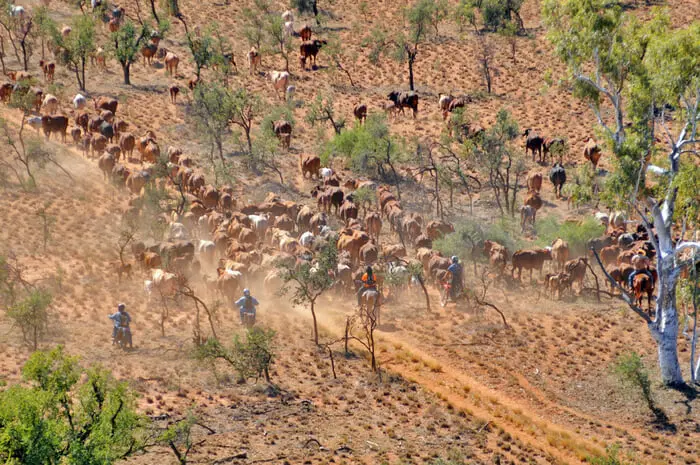
Early starts. Open country. A fresh opportunity.
Ready to get stuck into Australian agriculture? Whether you’re chasing your first cattle station season, joining a harvest crew or building a career in a feedlot, there are plenty of paths to explore.
This guide to the ag workforce in Australia will help you find your direction, sharpen your application and know what to ask before packing your bags.
You could be working cattle, operating machinery, keeping a station crew well fed or helping run an agricultural business. Behind every farm, station and feedlot is a team with different skills, and your experience could be more useful than you think.
Some opportunities welcome beginners. Others need specific licences, qualifications or experience. Read the requirements carefully and focus on roles that match what you can offer.
Want to experience a different part of Australia and learn something useful along the way? Ag seasonal work can be a great starting point. Depending on your skills, you might join a grain harvest crew, take on fruit picking and packing work or spend a mustering season on a cattle station.
A season gives you the chance to build experience, meet people and work out which direction you’d like to take next.
Before you commit: check the start date, expected duration and experience required. Seasonal roles can last weeks or many months, and weather can affect timing and workloads.
If you’re ready to put down roots, long-term ag jobs in Australia can offer opportunities to develop your skills, take on responsibility and become part of a rural community.
Depending on the business, you could progress from station hand to leading hand, head stockperson, overseer or manager. There are also career paths in machinery operation, trades, livestock management and agribusiness.
Think ahead: ask what training is available, what you could learn in your first year and where the role could take you after that.
A bit of preparation can make your application much more useful to an employer. Start with these five steps.
New to agriculture? Look for jobs that welcome beginners or offer training. A good attitude is a strong start, but make sure you meet essential licence and experience requirements.
Include when you can start, how long you can stay, your licences, relevant experience and contactable referees. Mention practical skills such as manual driving, horse riding, cattle handling, machinery operation, fencing, cooking or mechanical work where applicable.
Name the position and property in your cover letter. Explain what interests you and what you can bring to the crew. Give the employer a reason to pick up the phone.
Explain what you can do confidently and where you need training. An honest application helps an employer understand how you’ll fit into the team and what support you’ll need.
Keep your resume updated, check your messages and return calls. Browse agriculture jobs on RFTTEJOBS.com and follow the application instructions for each role.
“Remember, it takes work to find work”
Simon Cheatham
Founder, RFTTEJOBS.com
You can find agricultural work through direct employer applications, recruitment agencies and ag labour hire providers.
Applying directly means contacting the business advertising the position. A recruitment agency may help that business find suitable candidates. In a labour hire arrangement, you are generally employed by the provider and placed with a host business.
Whichever route you take, confirm who employs you, who pays you, where you’ll work and who your main contact will be.
RFTTEJOBS.com connects jobseekers with advertised opportunities across agriculture, rural, regional and remote Australia. Find a role that interests you, then follow the advertisement’s instructions to apply to the employer or recruiter.
Get the practical details sorted before you hit the road:
Get the agreed employment terms in writing. For information about minimum pay, awards and workplace conditions, visit the Fair Work Ombudsman.
Before applying, make sure you have the right to work in Australia and meet the position’s requirements. Be clear with the employer about your work rights and availability.
Many station employers seek applicants with unrestricted Australian work rights who can commit to a full season or ongoing employment. If you hold a working holiday visa, look for advertisements that welcome working holiday applicants or check with the employer first.
Visa holders can check their current conditions through the Department of Home Affairs’ Visa Entitlement Verification Online service, known as VEVO.
If you need work that meets your visa’s specified work requirements, check the current Home Affairs rules before accepting a position. Not every agricultural job or location qualifies.
There’s satisfaction in learning a practical skill, doing your part for the crew and seeing the results of a day’s work. Agriculture can take you to places you might otherwise never visit and introduce you to people you’ll remember long after the season ends.
It’s also real work. Early starts, heat, dust, physical demands and distance from town can all be part of the experience, depending on the role. Ask questions and choose an opportunity that suits you.
You don’t need your whole career mapped out to take the first step. You need a suitable role, an honest application and the willingness to turn up, listen and learn.
A cattle station season? A harvest crew? A feedlot role with room to grow? Or a chance to bring your existing skills into agriculture?
Have a look at what’s available. Your next job could take you somewhere you’ve always wanted to go.
Find Your Next Job Here →