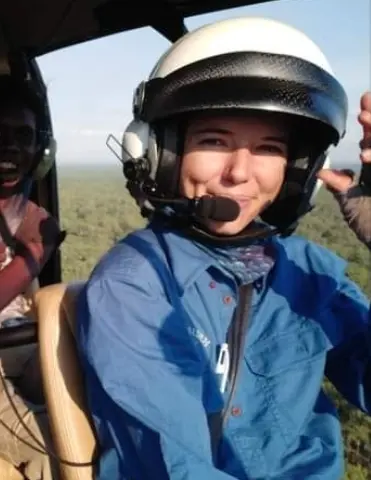
At 31, Donal Sullivan has experienced cattle station life from almost every angle. She grew up on a cattle station near Katherine in the Northern Territory, worked on the ground in stock camps and kitchens, flew helicopters as a professional mustering pilot across northern Australia, and has now returned home to work on the family property.
In Australia, helicopter mustering means using helicopters to locate, move and control cattle across large, remote pastoral properties, especially in the Northern Territory, Queensland and Western Australia. Today, mustering pilots are in demand across northern Australia, helping pastoral companies move cattle across some of the country's largest and most remote stations.
If you're considering work in Australia's cattle industry, weighing up a career as a mustering pilot, or simply trying to understand how the job works on station, Donal's journey is a practical place to start. Her experience gives a clear look at what mustering pilots actually do, how people get into the role, what the work and mustering seasons are like, what you can expect to earn, and why this path appeals to people who want a rare mix of aviation, livestock work and life in the bush.
Looking for work in the industry? Browse mustering jobs on RFTTEJOBS.com for current opportunities.
Quick facts
I grew up on a cattle station near Katherine, and my first "job" on a cattle station came when I was 10 years old. After what felt like years of humbugging Dad, he finally let me go mustering.
Like many station kids, I loved horses and couldn't wait to be involved. I learnt to work cattle from horseback and became part of the stock camp, spending plenty of time tailing weaners and working cattle through the yards alongside my siblings.
Looking back, those early experiences sparked a passion that would shape my career.
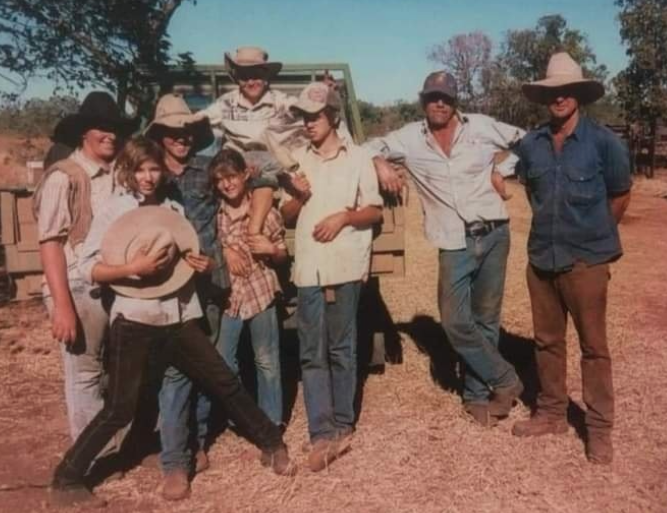
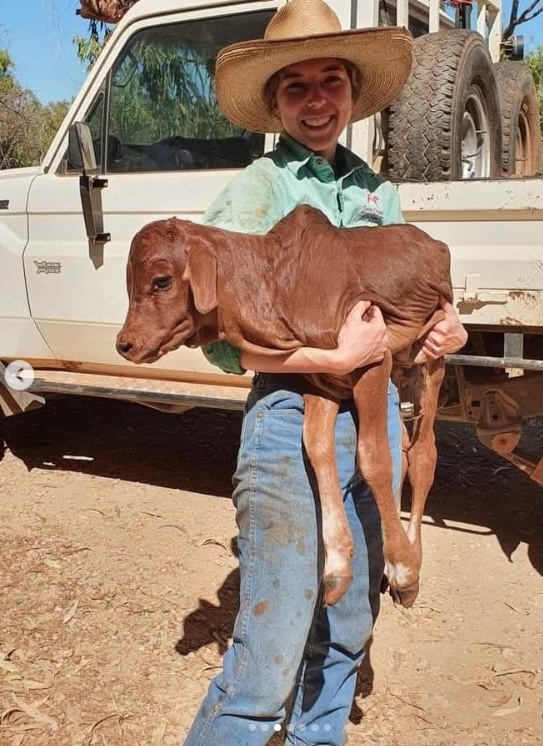
Over the following years I worked across many areas of the beef industry, including camp cooking, contract mustering and eventually flying helicopters.
In my early twenties I earned my helicopter licence and became a professional mustering pilot.
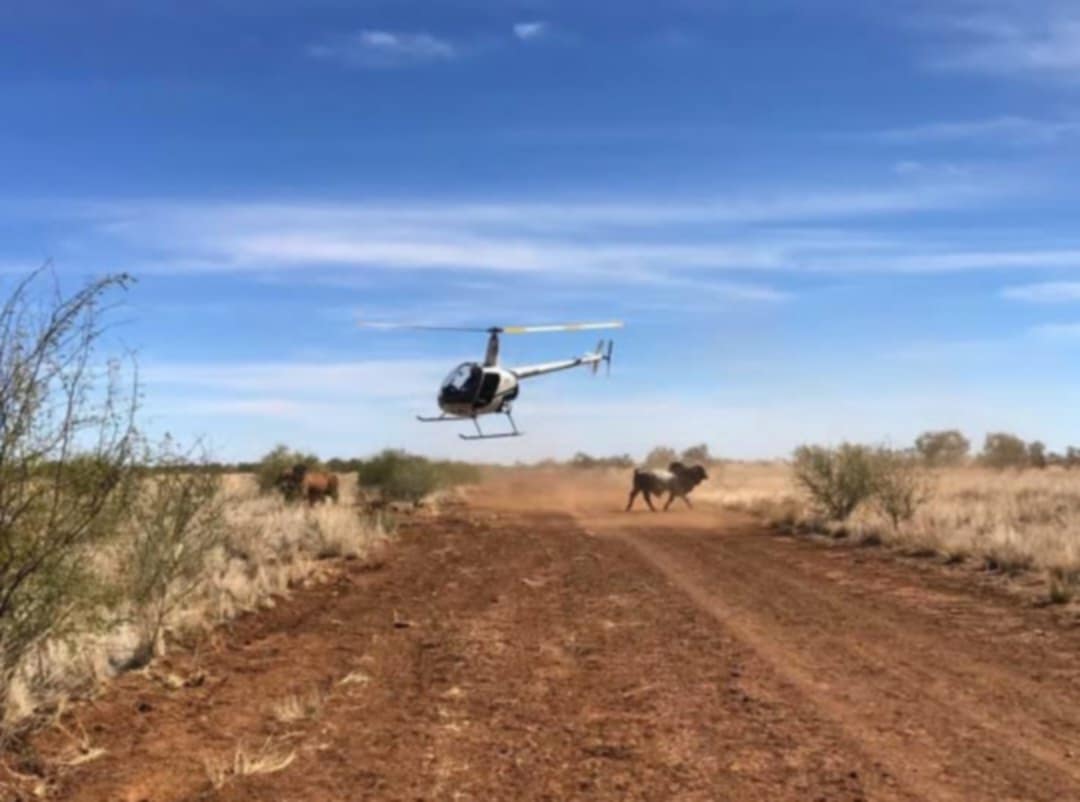
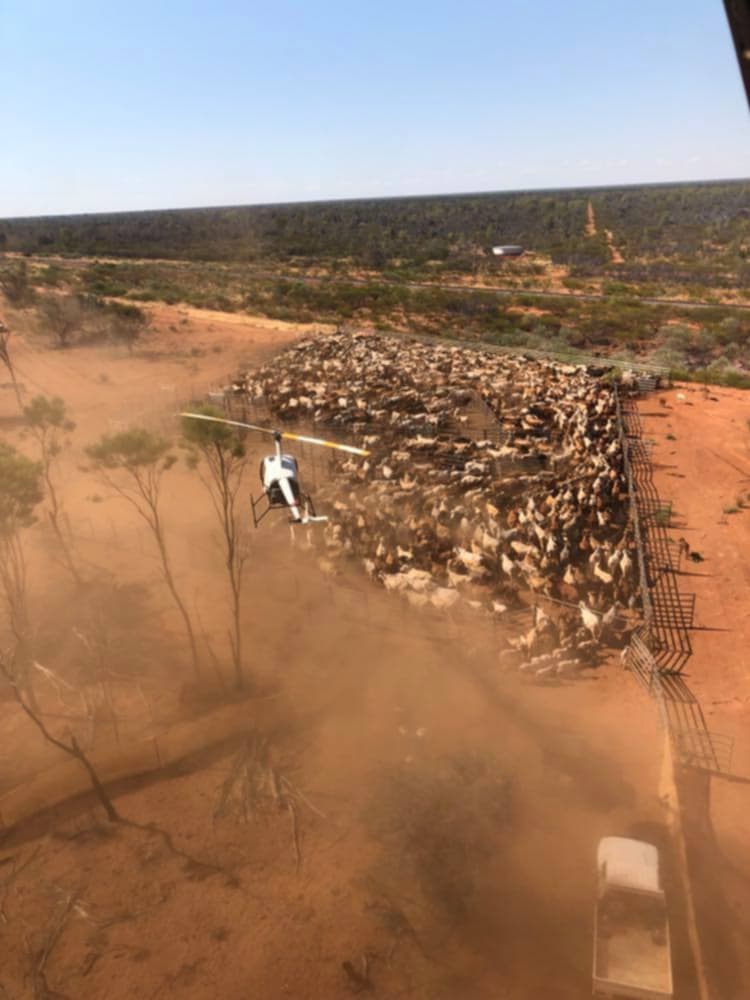
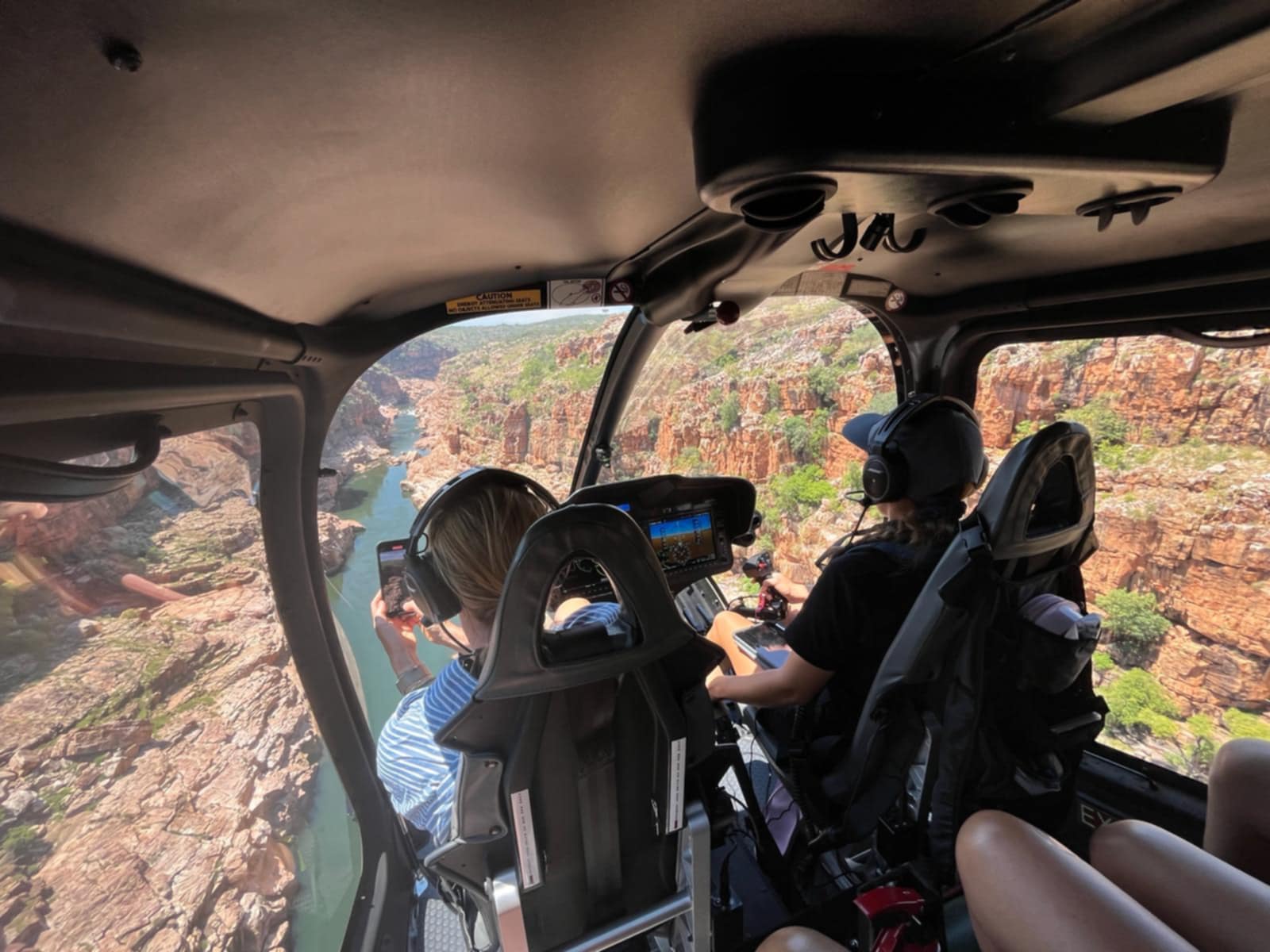
Flying during a muster was unlike anything else, with a bird's-eye view that made moving animals across rough country far more efficient. Every day required careful planning, good communication and close coordination between airborne pilots and ground crews managing the herd, and the ability to read both cattle and country from the air. Skilled pilots can also spot cattle hidden in dense timber and gullies.
I loved the challenge of coordinating large musters from the helicopter, especially because you could cover thousands of acres in a single morning compared with days for ground crews, although I was always a little less enthusiastic when it came time for the dusty yard work afterwards.

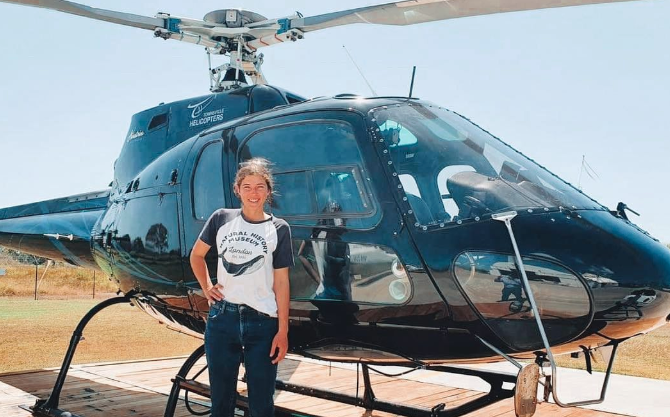
At the end of 2022, I stepped away from full-time mustering.
After some fill-in work collecting crocodile eggs and flying for ranger groups throughout Arnhem Land, I accepted a role in Western Australia.
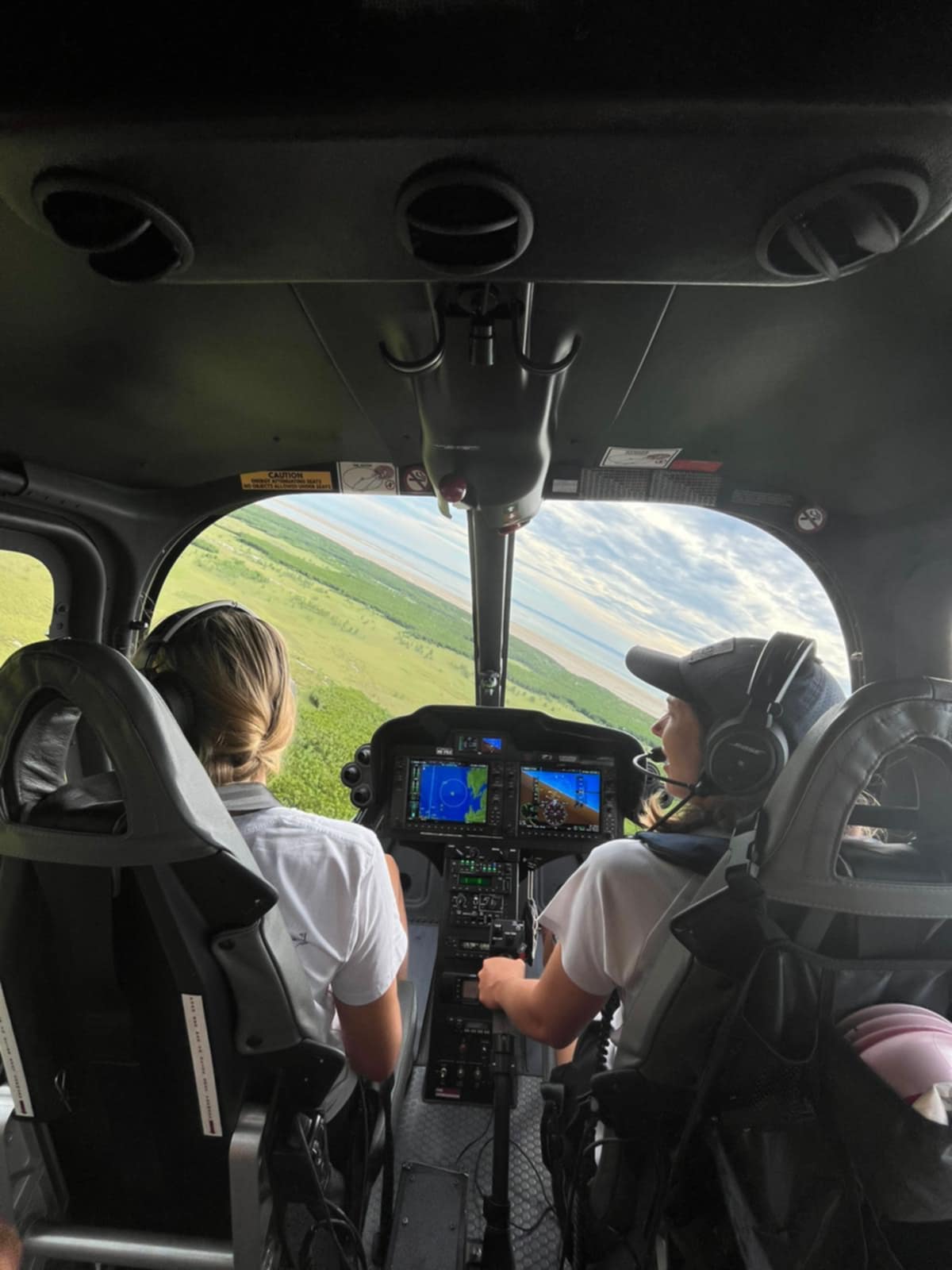
As part of that job, I travelled to Fort Worth, Texas, for training on the Bell 505 helicopter I would be flying.
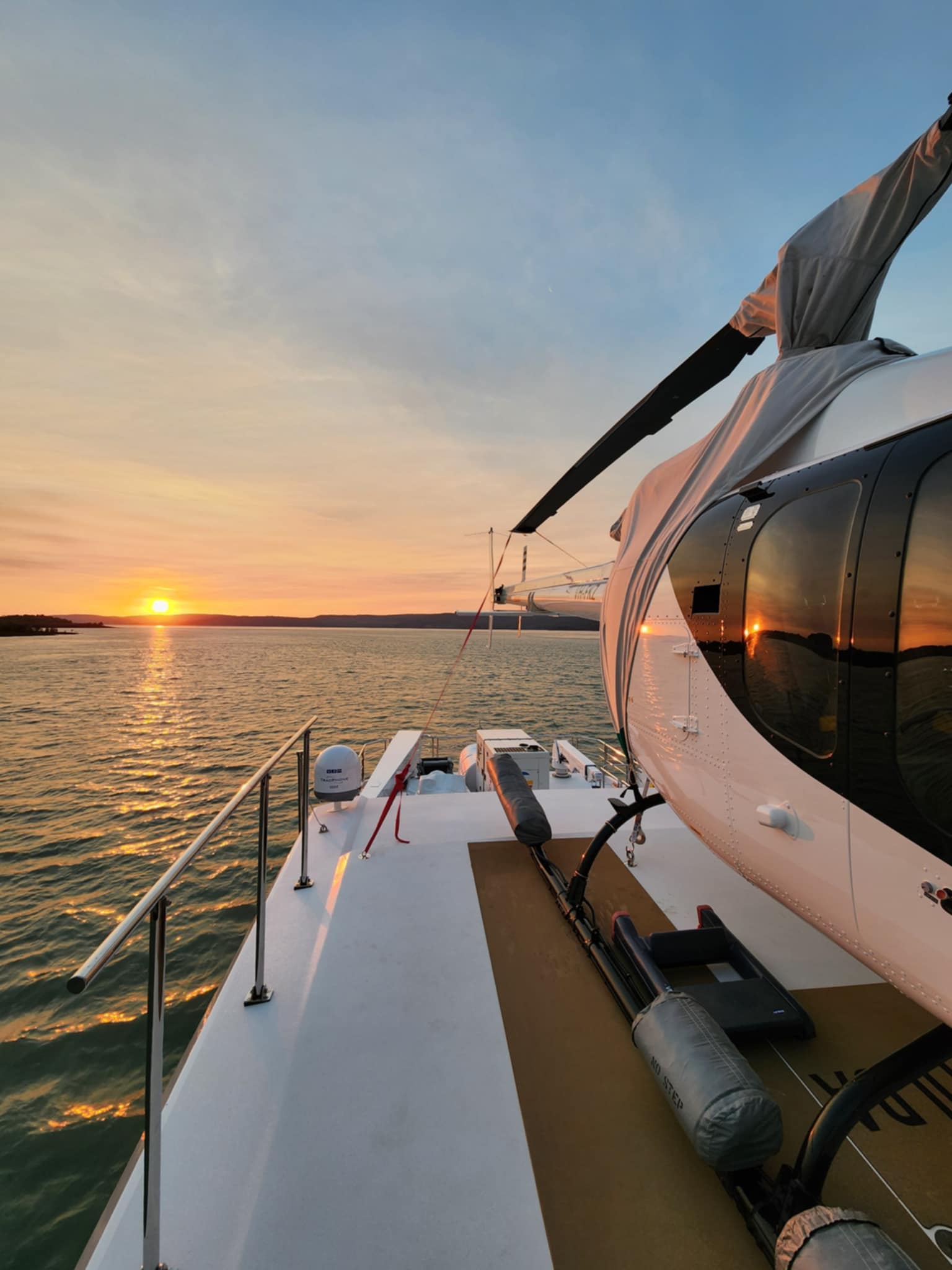
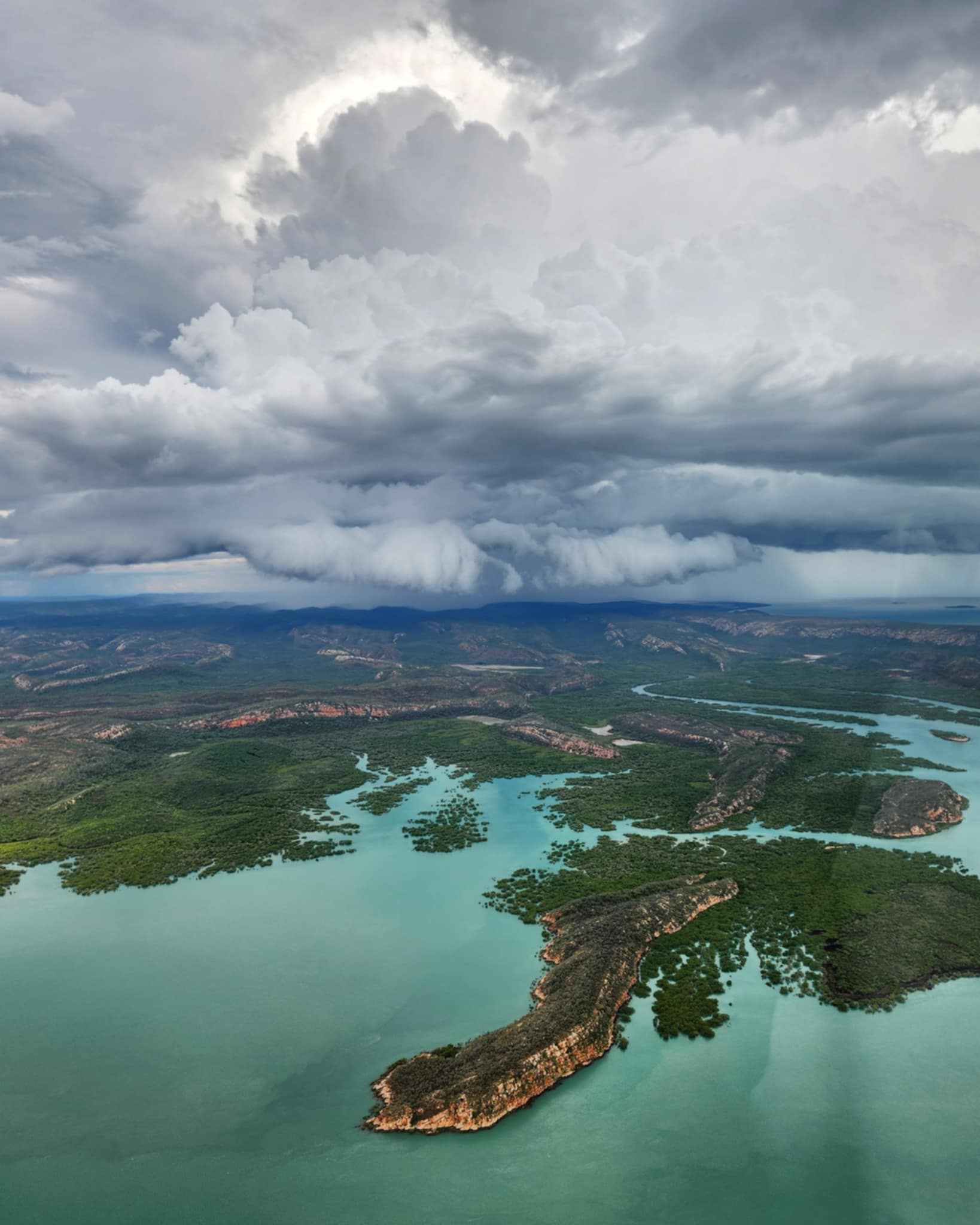
Back in WA, I flew scenic flights and wine tours and even spent periods based aboard a super yacht operating around the Abrolhos Islands, Ningaloo Reef and the Kimberley coastline.
It was an incredible opportunity and certainly not where I imagined flying would take me when I first learnt, simply because I loved working cattle.
In mid-2024, I made the difficult decision to take a break from commercial flying.
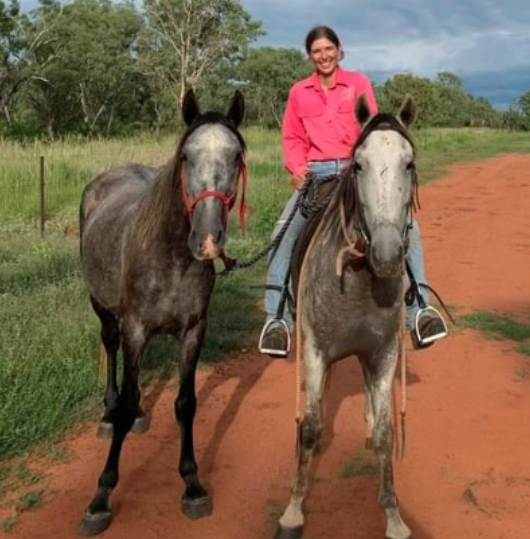
Today I'm back where it all began, working on our family property near Katherine. These days I'm helping manage calves, mustering cattle and controlling weeds across the station.
After travelling and flying throughout northern Australia, there's something special about returning to where my journey started.
One of the projects I'm most proud of has been organising a workplace education workshop at Top Springs Roadhouse in the Northern Territory.
The workshop focused on workplace bullying, discrimination and sexual consent in the pastoral industry.
Around 70 ringers, station managers and station staff attended, demonstrating the industry's willingness to continue building safe, respectful workplaces.
If you're thinking about working on a cattle station or becoming a mustering pilot, take every opportunity to build your skills. In aerial mustering, low-altitude flying demands precision and can introduce significant operational risks for pilots, especially during rapid low-level work.
Learning welding and small engine maintenance will make you far more valuable to an employer. Courses such as CHEM Cert, MLA Nutrition Edge, Breeding Edge and Business Edge are excellent ways to build practical knowledge and better understand the beef industry.
Most importantly, know your worth.
Being treated unfairly, bullied or pressured beyond reason is never acceptable, even if it comes from someone in authority. Sometimes it takes years to recognise what treatment is and isn't okay.
Weather and other environmental factors can sometimes limit mustering when safety is at risk.
Talk to someone you trust, reflect on your experiences and don't be afraid to move on if a workplace isn't the right fit. When you're involved in mustering, don't push cattle too hard, because animal stress can increase quickly.
A mustering pilot works in aerial mustering and livestock management, helping station managers and stock crews locate, move and control cattle across vast pastoral properties and large areas.
Typical responsibilities include:
Flying helicopters during cattle musters because they reduce time and labour compared with traditional methods.
Coordinating cattle movements with ground crews as part of professional mustering services.
Locating livestock across large paddocks and difficult terrain that ground vehicles cannot easily reach.
Monitoring stock movement from the air.
Carrying out daily helicopter safety checks.
Flying safely in remote and challenging environments, which can reduce the physical risk to riders in rugged country.
Animal welfare regulations shape mustering practices, and aerial work can quickly move cattle to water or feed when needed.
Most mustering pilots spend years developing both their flying skills and their understanding of cattle behaviour.
There is no single pathway, but many pilots follow a similar journey:
Gain practical experience working on cattle stations.
Obtain a Commercial Pilot Licence (Helicopter).
Build the required flying hours and aviation experience.
Learn low-level aerial stock mustering techniques.
Work alongside experienced mustering pilots and operators.
Continue developing aviation, livestock and station management skills.
This approach is generally most efficient and cost-effective on larger properties, where operators can tailor work to the specific needs of the station.
Income varies depending on experience, employer, location, aircraft type and whether the role is permanent, contract or seasonal.
| Experience | Indicative annual salary |
|---|---|
| New commercial helicopter pilot | $70,000 to $90,000 |
| Experienced mustering pilot | $90,000 to $130,000+ |
| Contract and seasonal work | Varies depending on the operator, location and experience |
Some station-based roles may also include accommodation and meals as part of the employment package.
Across northern Australia, helicopter mustering commonly peaks during:
Exact timing varies between properties and regions depending on rainfall, road access, branding, weaning, pregnancy testing and individual station management programs.
Yes. A mustering pilot needs an appropriate Commercial Pilot Licence (Helicopter), along with the required flying experience, aircraft endorsements and operational training for the role.
Absolutely. Women continue to build successful careers as mustering pilots across Australia's pastoral industry, as Donal's story demonstrates.
Most opportunities are found across the Northern Territory, Queensland and northern Western Australia, where large cattle stations regularly use helicopters during mustering seasons. For example, Heli-Muster NT operates across Northern Australia in this area. Very large pastoral businesses also help explain where these jobs are concentrated, with Hancock Agriculture managing over 20 properties across 3.49 million hectares.
It may be possible, but many employers prefer applicants who have practical station experience. Spending time working as a Station Hand helps pilots understand cattle behaviour, stock movements, station operations and communication with ground crews.
Experienced mustering pilots are regularly needed across northern Australia's cattle industry, particularly during the main mustering periods. Some operators now also use drones to assist with locating and managing livestock. Competition for flying roles can still be strong, so practical station experience, strong references and a solid safety record can help candidates stand out. During busy periods, some employers and operators also offer mustering services at short notice.
Ready to explore opportunities? Browse mustering jobs and check individual advertisements for experience, qualifications and application requirements.
This story first featured in the RFTTEJOBS Newsletter on 2 May 2025.
Worth Watching: King of the Outback Skies - The Kerry Slingsby Story