An Export Life: Geoffrey Beere and the Northern Cattle Trade
05 Aug, 2026
There are some blokes in the cattle game who never chased headlines, but quietly helped shape the industry through hard work, resilience and decades on the ground. Geoffrey Beere is one of them.
An Export Life, traces a remarkable career that began with North Meat in Darwin before a transfer to the Katherine Abattoir in 1969. From there, Beere’s working life would span the Northern Territory, remote Australia and livestock markets across Asia and the Middle East. He joined the local buffalo industry, later worked with Austrex loading cattle at Darwin Wharf in 1974, managed the iconic Mudginberri Abattoir between 1975 and 1977, and then joined the Animal Industry Branch as a stock and meat inspector in 1979.
That alone would make for a solid career, but Geoffrey Beere was only getting started.
During the BTEC years, he served as a stock inspector based in the Victoria River District, part of one of the most significant animal health campaigns in Australian history. He was later seconded to Sarawak from 1981 to 1984 to help develop a live cattle import project, showcasing the practical expertise northern Australians were exporting long before the term became fashionable.
Mudginberri remains one of the standout chapters. Beere’s recollections cover the operation of the abattoir and its unique payment system, while also touching on the wider Mudginberri dispute, a landmark industrial relations battle that helped trigger the National Farmers’ Federation Fighting Fund.
From there, Geoffrey Beere moved into full-time consultancy to the livestock export industry, providing after-sales service, facility upgrades and processing advice across Indonesia, Malaysia, the Philippines, Thailand, Vietnam, Pakistan, Egypt and Turkey. From improving unloading ramps and restraining boxes to feedlot design and wet market upgrades, his work helped modernise systems that became vital to Australia’s cattle export trade.
The slide show is packed with photos and stories that capture a different era. Buffalo catching rigs in the Top End. Rough roads and rougher facilities overseas. Cattle arriving in new markets for the first time. Improvised solutions in places where progress relied more on common sense than bureaucracy.
For the RFTTEJOBS.com audience, Geoffrey Beere’s story is a reminder that agricultural careers can go far beyond the farm gate. Skills learned in yards, abattoirs and stations can take a person around the world.
It is also a reminder that much of Australia’s livestock success was built by practical men and women whose names rarely made the papers, but whose efforts opened markets, solved problems and backed producers for decades.
Author's Note: I was introduced to Geoffrey many years ago in Darwin by Nick Bradley at an NTCA Conference, not only is Geoffrey constantly engaged with everyone who walks past - as everyone know's him in the industry, he also volunteers at the Prostate Cancer desk, with his 96yo colleague Don Lockley, at the conference urging blokes to get tested... always a warm welcoming and with a smile, and an eager ear. (Simon Cheatham; April 2026)
From Geoffrey (28th April 2026): The best thing about this blog is that it is true and if stockmen and stock ladies don’t see some of it they wont now what we did. It is like my generation, I was around before Bronco Panels, so I did not get those skills. However, I did get to see the MV Gina with 20,000 cattle and 65,000 sheep sail into the Port of Darcia in Istanbul and assist with the unloading for 3 days and nights. Also ships into Libya, I always thought it made more sense to be unloading livestock than Australian Troops.
NTCA 2025
Bang Tailing in the VRD: Geoffrey Beere’s Idea for Safer Cattle Yards
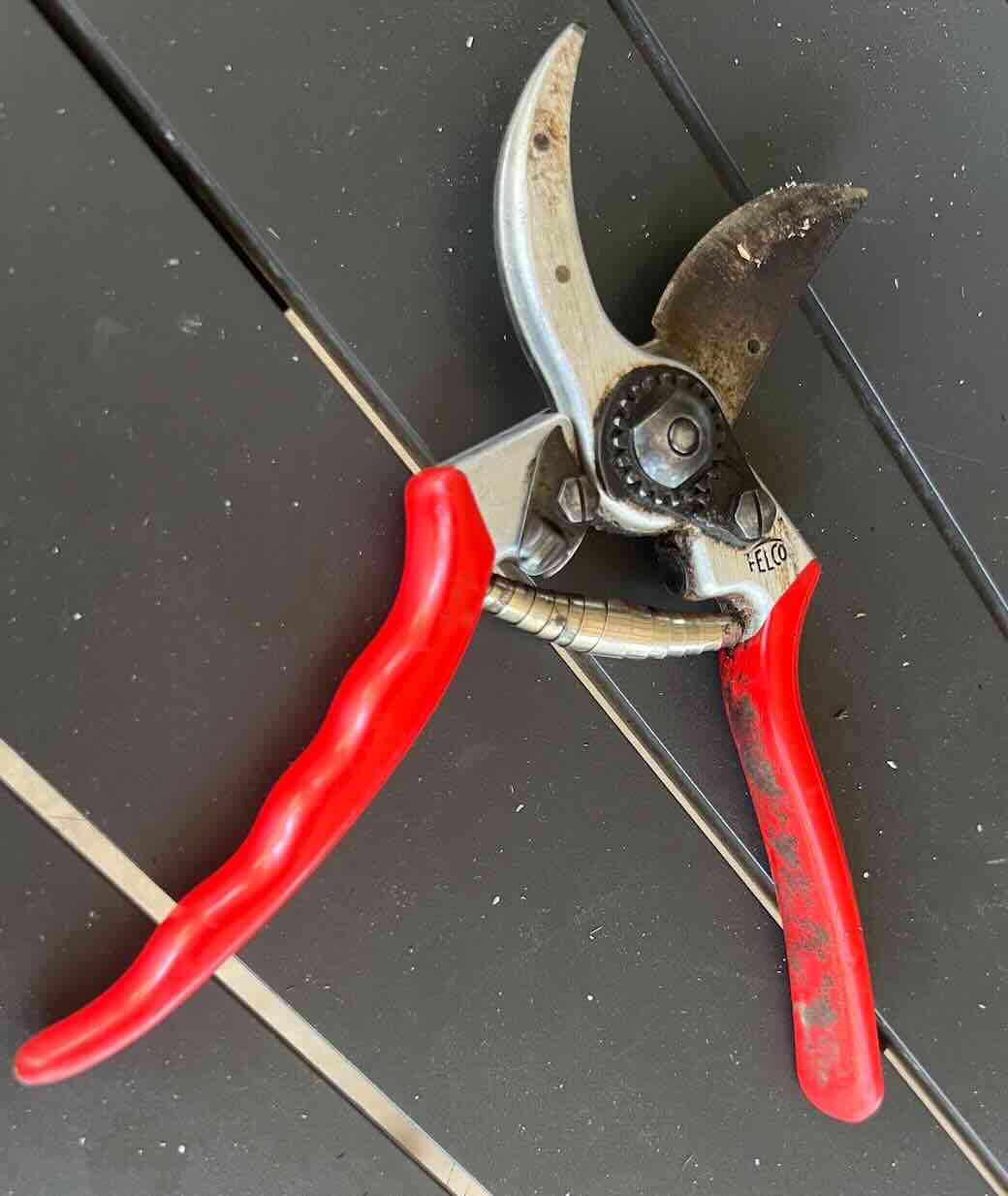
G’day. Geoffrey Beere dropped me a note after we shared the story of his life in the northern cattle trade. This time, he took me back to the mid-1980s in the Northern Territory’s Victoria River District, where a pair of garden secateurs gave him an idea for a job usually done with a stock camp knife.
Why cattle were bang-tailed
Around 1984–85, Geoffrey was working as a stock inspector in the VRD, with work taking him to places such as Killarney, Montejinni and Humbert River stations. It was during the Brucellosis and Tuberculosis Eradication Campaign, or BTEC, the national program that ran from 1970 to 1997 and eradicated bovine tuberculosis in Australia. Australian Parliament
Geoffrey recalls that they could have more than 100,000 cattle TB tests to manage in a single season. One small job that went with all that testing was bang tailing. The hair at the end of the tail was clipped square so the crew could tell at a distance which cattle had been marked. When you’re working through cattle in those numbers, a mark you can pick from across the yard comes in handy.
When the vets were stitching up stockmen
The traditional tool for the job was a Green River stock camp knife with a six- to eight-inch blade. Geoffrey remembers five to eight stockmen running alongside the race, each with a knife in hand. The contract vets had come to test cattle, but Geoffrey says they often ended up stitching cuts to the stockmen’s hands and fingers as well.
That got him looking for another tool. He tried a pair of Swiss secateurs and found they could do the job when there was tension on the tail hair. At the end of the race, he could lock the blades shut and slip the secateurs into his pocket.
Swiss FELCO secateurs. Photo supplied by Geoffrey Beere.
Geoffrey’s idea for the RFTTE crew
All these years later, Geoffrey reckons a couple of short clips could get people talking about how the job was done and what crews have changed since. I’d love to hear from anyone who worked on the BTEC campaign. How did your crew mark cattle after testing? And what’s one change that made working in the yards safer on your place? Come and share your yarn with us in the RFTTE Facebook group.