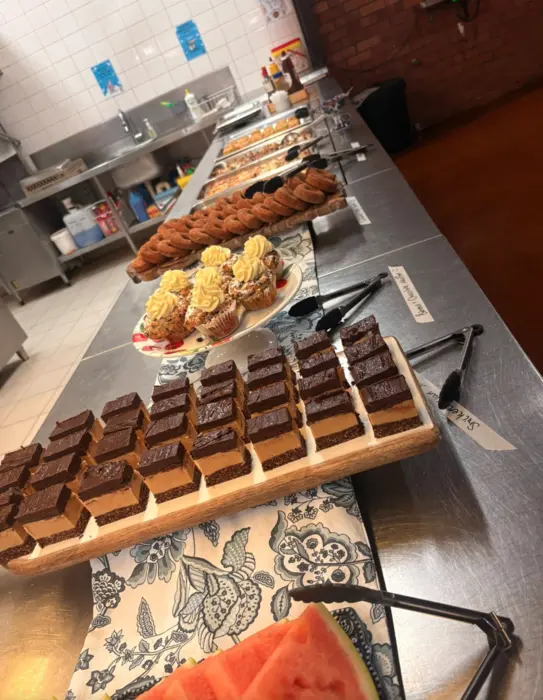
There’s something sacred about smoko on a cattle station—whether it’s out on stockcamp, fencing, or back at the homestead. Smoko is often a morning ritual, providing a moment of hope and connection for the crew. It’s not just a tea break—it’s a moment of respite in a long, dusty day, a chance to refuel body and spirit, have a yarn, a chance to go over the morning’s tasks or further plan for the day; and often the highlight that gets you through to knock-off time. Smoko is often delivered out to the paddock, with tea and coffee served in enamel cups, bringing a touch of comfort and tradition to the rural setting.
We asked the RFTTE community on Facebook to share their best smoko memories, and the responses poured in like billy tea from a campfire. From pufftaloons dripping with golden syrup to corned beef sandwiches under a coolibah tree, these stories paint a delicious picture of life on a station. The tradition of smoko is often accompanied by storytelling and sharing experiences, enhancing community bonds and bringing the family together.
The kitchen or house is the heart of the station, where the family gathers, and hope is renewed each morning. The role of the station cook is crucial in maintaining the smoko tradition, creating meals that are memorable and foster a sense of belonging.
There’s nothing quite like the legendary feeds you’ll find on a cattle station. After a long day working the land, it’s the promise of a delicious smoko or a hearty meal that keeps everyone going. At the heart of every unforgettable feed is the station cook, part magician, part mother hen, always ready with a fresh batch of chocolate cake, cream buns, or a steaming mug of coffee to warm tired bodies and lift spirits.
On stations like Springvale Station near Halls Creek, the best smoko isn’t just about filling up—it’s about creating moments that bring the crew together. Whether it’s a simple sandwich packed with flavour or a recipe passed down through generations, every meal is a chance to share stories, laugh, and recharge for the day ahead. The kitchen becomes the heart of the station, where cooking instructions are swapped, new favourites are born, and old classics—like cream-filled buns or a slab of chocolate cake—never go out of style.
Legendary feeds are more than just food; they’re a celebration of station life, a way to connect after hours in the dust and heat. From the first bite to the last crumb, these meals are crafted with care, designed to be both delicious and sustaining. So whether you’re after the perfect smoko recipe or just want to hear tales of the best feeds from stations across the country, settle in. You’re about to discover what makes cattle station cuisine truly legendary—one warm, creamy, and utterly satisfying bite at a time.
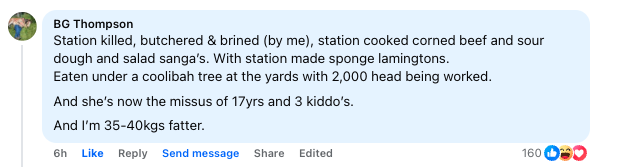
BG Thompson’s response stopped us in our tracks: ‘station-killed, butchered, and brined corned beef with sourdough and salad sandwiches, topped off with homemade sponge lamingtons. The setting? Under a coolibah tree at the yards with 2,000 head being worked. The cook? She’s now the missus of 17 years and mother to their three kids… and I’m 35-40kgs fatter’. That’s a smoko that changed a life.
It’s a reminder that station cooks do more than feed hungry workers – they create the memories (and weight gain!) that last a lifetime. Many people still miss those special smoko moments and the cooks who made them memorable.
Catering for smoko means understanding the group's preferences, and sometimes it takes a bit of trial and error to discover which options are most popular.
The names that came up again and again tell the real story: Barb Strickland earned multiple shout-outs as ‘the best station cook ever’. Elizabeth Anne Kelly was praised for everything from jelly slice to beef stroganoff. These legendary cooks’ recipes have become crew favourites, always in demand for smoko and celebrations. Kaylene Bambrick at Tobermorey Station made marshmallow slices and “cute little 3-layered sandwiches” that are still remembered years later.
The role of the station cook is crucial in maintaining the smoko tradition, as they create meals that are memorable and foster a sense of belonging among the crew.
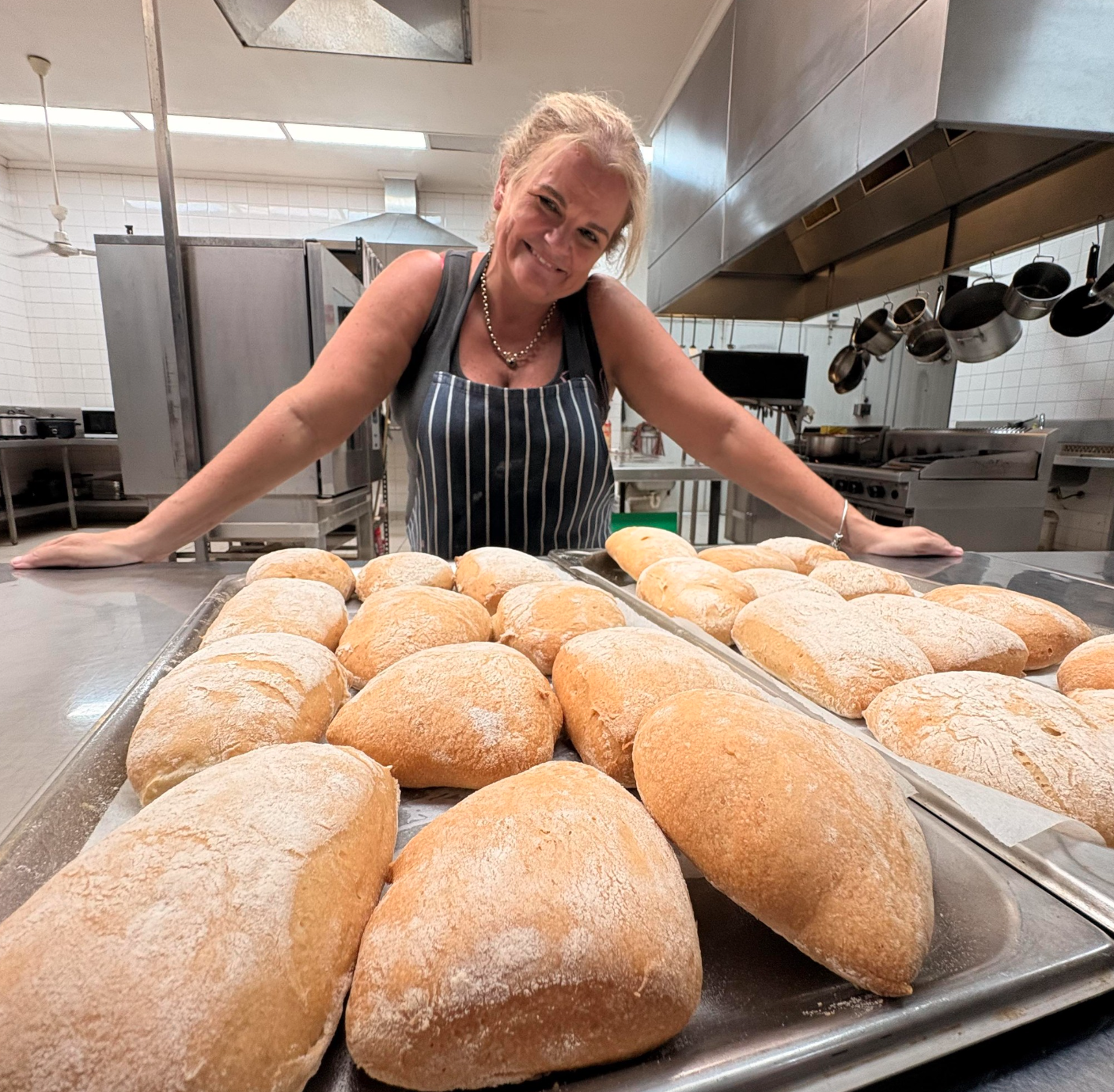
Wendy Cox (aka Wendy’s Cooking Adventures) cooks up some cracking meals for the team at Tipperary Station, NT - they’ve become the stuff of legend! Wendy’s routine includes baking enough treats to last the week, ensuring the crew is always well fed. She lines up her ingredients and trays for efficient preparation, making the baking process smooth and organised. Here’s Wendy below showing off some of her homemade bread rolls at Tipperary… and that’s one of Wendy’s smoko’s at the top of the blog.
Then there was Mac at Springvale Station near Halls Creek in 1989 – an old stockman-turned-cook who made bread “so hot and fresh, dripping with butter and honey,” plus steak sandwiches “cooked just right” and brownies that still make mouths water decades later.
One for me personally was the Vanilla Slice (aka ‘Snot Block’) that Michael Byers (or ‘Cooky’) would make at smoko for the Carlton Hill crew in the early 1990’s - his smoko at the station was simply a smoko fit for a king! From smoked spare ribs to chocolate cake, he had it all…
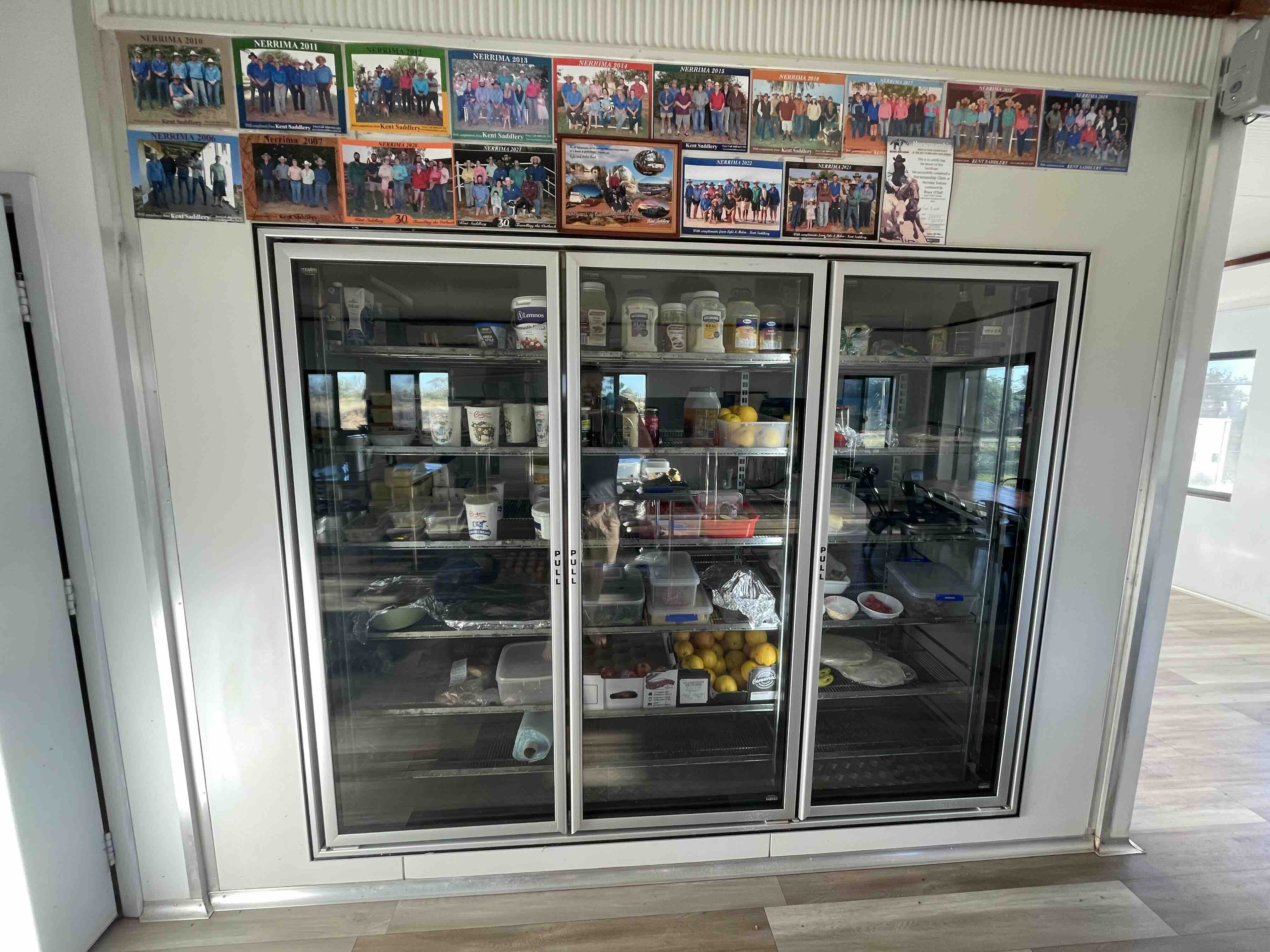
On a few trips with Gus Rose taking horses to cattle stations in his road train - we had a couple of stay overs at Nerrima Station in the West Kimberley - and were always warmly greeted and looked after by Managers, Chris and Bec Morrow (and little Georgina); Gus and I would always put on a few ‘kegs’ after being very well fed by the Nerrima Cook, Poppy Spurling. Here’s a shot of her extremely orderly kitchen fridge - smoko on hand 24/7! For Poppy, baking enough smoko to last the week for the crew was always a priority.
And of course there is Karen Smith who has been cooking on stations since 2019 including Auvergne Station, Newry Station, Tipperary Station, Camfield Station and Newcastle Waters; and currently working on a station in QLD. She is famous for her ‘Pie in the Sky’ for cattle station pilots; and of course her sumptuous smoko’s for the ground crew too!
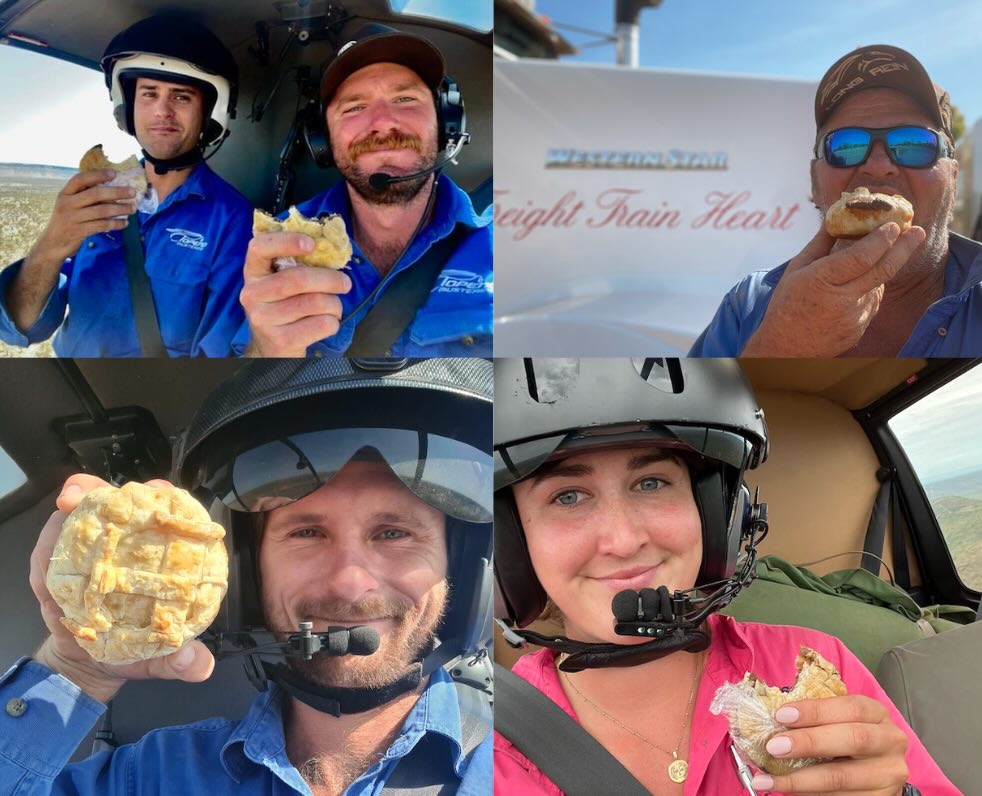
Certain foods came up over and over in the thread:
Pufftaloons (or puftaloons) with golden syrup or maple syrup – especially good when it’s raining, according to multiple contributors. Made with yeast dough and homemade butter, they’re clearly the stuff of legend. I can clearly remember being assigned to be the stockcamp cook for a day at Carlton Hill, and they were my go-to for almost every meal - needless to say, I was not recalled for cooking duties!
Corned beef fritters – a station staple that turns humble ingredients into something special.
Camp oven creations – from damper with cumquat marmalade to lamingtons baked over coals, the camp oven produced magic in the bush.
Fresh-baked treats – sponge cake with cream and jam, cinnamon donuts, vanilla slice, brownies, biscuits, and the unforgettable “monster cookies” that one cook was still being tagged about years later…
Both sweet and savoury options, like biscuits and sausage rolls, are essential to cater to everyone's tastes at smoko. Popular smoko recipes include sausage rolls (where you fill pastry with sausage mix), pikelets (made by mixing flour, eggs, and milk in a bowl), and various sweet treats like butter cake, chocolate slice, and biscuits. When preparing baked goods such as scones or biscuits, you typically mix the ingredients in a bowl, add milk, and use a round cutter to shape them. Batch cooking allows cooks to fill containers with slices or scrolls that can be frozen for later, making it easy to keep the smoko table stocked.
And one for me personally was the Vanilla Slice (aka ‘Snot Block’) that Michael Byers (or ‘Cooky’) would make at smoko for the Carlton Hill crew in the early 1990’s - his smoko at the station was simply a smoko fit for a king! From smoked spare ribs to chocolate cake, he had it all…
Not every memorable smoko was fancy. Some of the fondest memories were beautifully simple:
Cold chops from the saddlebag
Beef jerky wrapped in old newspaper
Damper and billy tea
Johnny cakes on the coals with golden syrup
A quart pot of tea and ten minutes’ peace
Fillet wrapped in belly fat, cooked on a shovel over coals
Some foods, like sandwiches, can be made in advance, frozen, and then eaten during smoko for extra convenience. Meal prep for smoko helps ensure you always have quick and easy meals to eat during busy work weeks.
And of course, the old-time ringer smoko was mentioned: “A drink of water and a look around was my go-to smoko. Champion ruby or log cabin would see me through till lunch.”
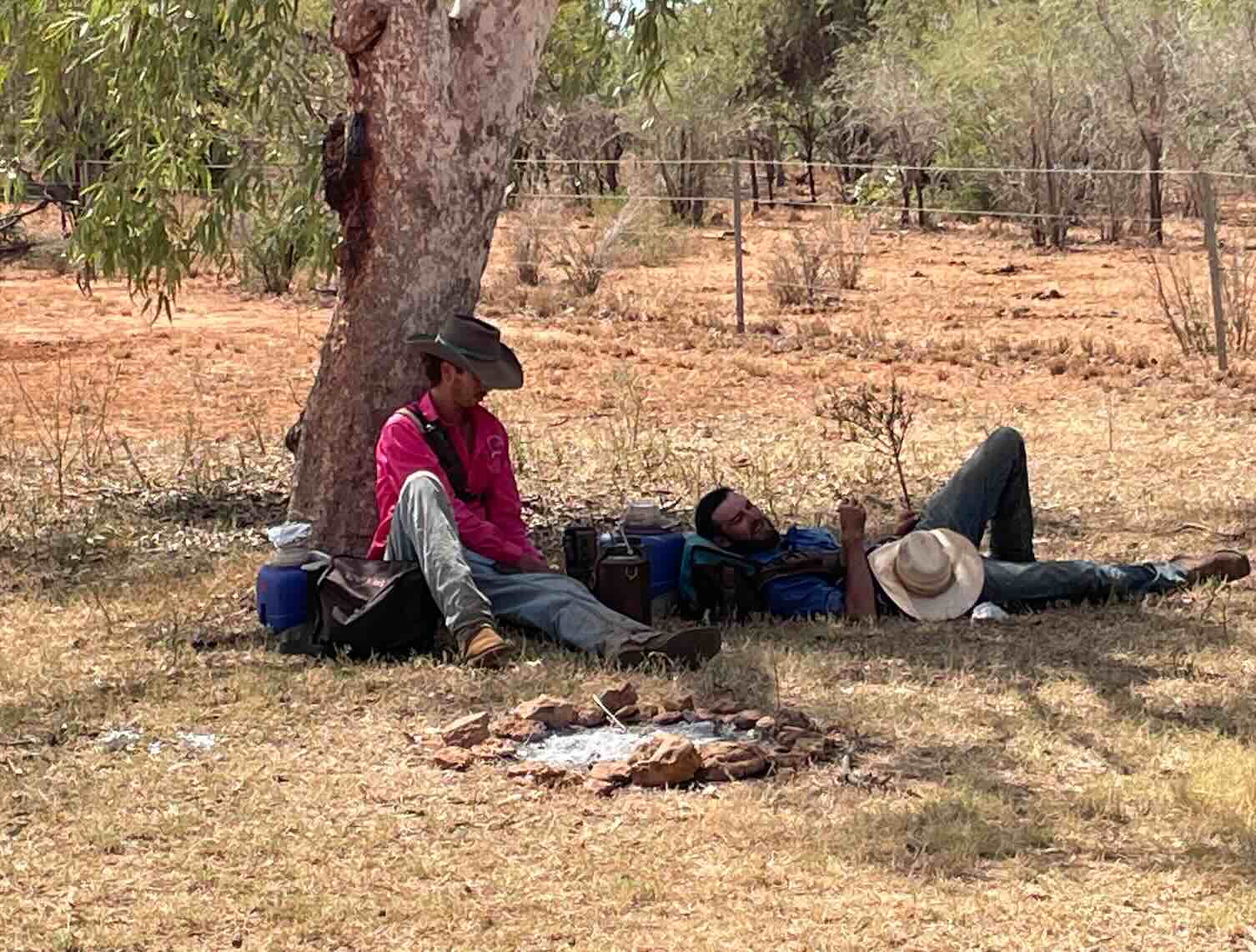
Image below: Smoko at Nerrima Station, West Kimberley WA - 2024.
What shines through these stories is the resourcefulness of station cooks. Jackie Backash at Mallapunyah sent green bananas with cooking instructions when workers were flooded in with no food. One young cook at Cape York created battered catfish with battered banana, sweet chilli sauce, garlic naan, and bush lemons when a gardener showed up with a wheelbarrow full of fresh catfish.
Resourceful cooks also minimise food waste by using leftovers like roast or casseroles—such as pasta, shepherd’s pie, or curry—for future meals, ensuring nothing goes to waste and every resource supports the needs of the station. Planning ahead and having a well-equipped kitchen is essential for efficient meal prep, especially in remote locations, and can help reduce stress when preparing meals for large groups.
These weren’t cooks working with fully-stocked pantries and modern kitchens. They were creating memorable feeds with what was on hand, often cooking for large groups on wood stoves or camp ovens in the middle of nowhere.
As Tony Large pointed out, station smoko is “usually of a high standard and made off recipes that have stood the test over and over, with the ability to cater for large groups who turn up unannounced without fuss.”
That’s the mark of a great station cook – the ability to make something special happen regardless of conditions, numbers, or notice. The best station cooks create meals that delight the taste buds and keep the crew satisfied, often serving high-protein options like chicken salad wraps, savoury pastries, and nutritious snack packs. Great smoko meals are also portable, filling, and easy to prepare ahead of time. They’re the unsung heroes who keep stations running, one hot scone and a pot of tea at a time.
One contributor shared a valuable lesson learned the hard way: prepare sandwiches the night before and stash them in your saddlebag along with a couple of books and a quart pot with tea and sugar. Working for a boss where “smoko was a dirty word,” he managed to sneak hour-long breaks without the boss ever knowing. As he noted, “That made it so much better.”
Baking in advance can also help fill up containers with snacks for the week, making meal times easier to manage.
These smoko memories are about more than food. They're about:
The relationships built around a shared meal
The break that makes hard work bearable
The skill and dedication of station cooks who rarely get the recognition they deserve
The way a well-fed crew works better and stays longer
The memories that last decades after the last ANZAC biscuit is gone
At RFTTEJobs, we know that a good station cook is worth their weight in gold (or pufftaloons;). They’re the difference between a crew that’s just getting by and one that’s thriving. A great station cook brings hope and positivity to the crew, lifting spirits even during tough times. They’re the reason people remember a station fondly years later. Understanding the preferences of your crew is also key to preparing the right amount of food for smoko, ensuring everyone is satisfied, and nothing goes to waste.
Are you a station cook looking for your next position? Browse our current cook positions here. You can also explore a wide range of jobs across stations and feedlots if you’re keen to try a different role on the land.
Station managers and owners: If you’re looking for someone who can keep your crew happy and well-fed, post your cook position with us today.
We'd love to hear your stories. What's the best smoko you've had on a station? Who was the cook who made station life that little bit better? Share your memories in the FB thread or let us know via email: hello@rfttejobs.com
Because at the end of a long day working cattle in the dust and heat, it's those moments around smoko – the hot tea, the fresh-baked treats, the laughter with your mates – that make station life worth living.
Blog by Simon Cheatham with help from RFTTE members who contributed to the post on the RFTTE.com Facebook Group.
RFTTEJobs connects rural and remote workers with opportunities across Australia. Whether you're a station cook, stockman, governess, or manager, we help you find your next adventure on the land.