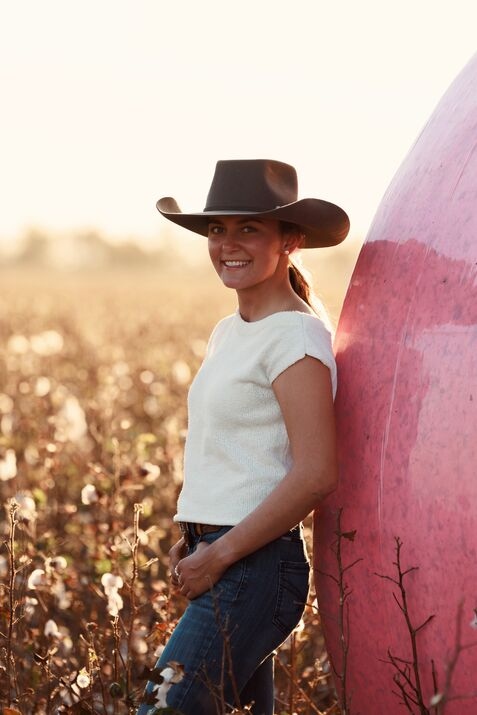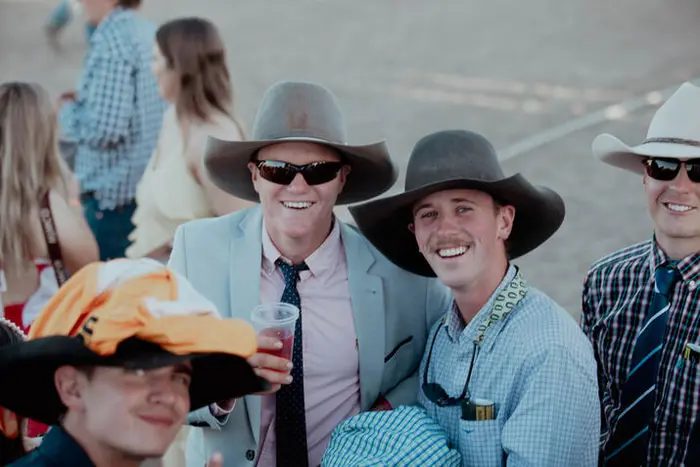
How 17-year-old Annie-Maree Martin is capturing the spirit of Australia's ringers, one portrait at a time.
Every June, the Brunette Races draw people from every corner of northern Australia to the legendary Brunette Downs Station on the Barkly Tableland.
Dating back to 1910, when neighbouring stations Alexandria, Brunette Downs and Creswell Downs established the A.B.C. Amateur Race Club, the races have become one of the Northern Territory's most iconic bush gatherings. What began as a way for isolated station families to come together has grown into four unforgettable days of horse racing, campdraft, rodeo, barrel racing and catching up with old mates.
Most people come for the horses.
Annie-Maree Martin came for the people.
At just 17 years old, Annie-Maree is completing Year 12 while undertaking a school-based traineeship in agriculture. Although she lives on a small farm near Milton on the NSW South Coast, she's spent the past two years travelling more than 4,000 kilometres to live and work on remote cattle stations across the Northern Territory.
With camera in hand, she wasn't looking for trophies or winners.
She was looking for stories.
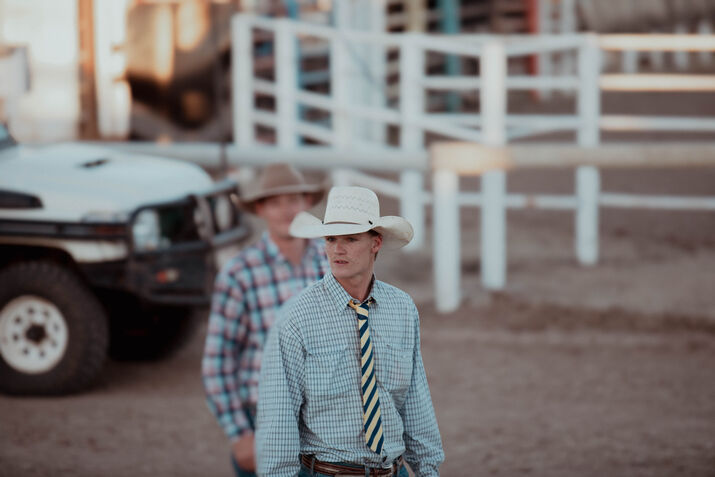
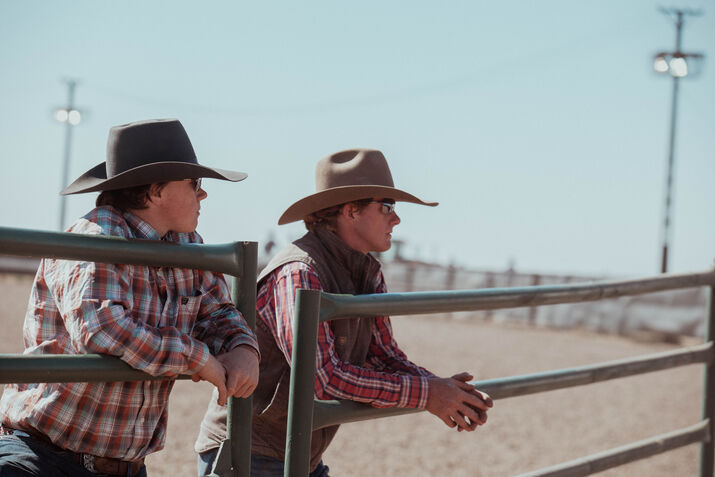
And she found them in the faces of the men who work Australia's cattle stations.
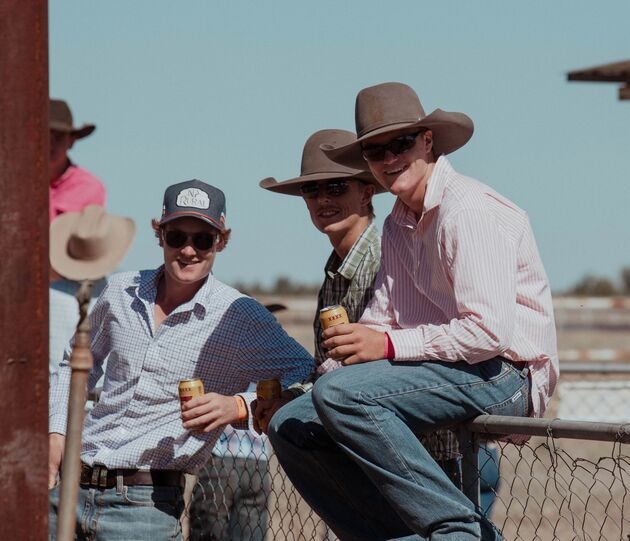
"I've always been fascinated by the people behind the cattle and agriculture industry," Annie-Maree says.
"While the events themselves are exciting, I'm just as interested in the people who make them happen."
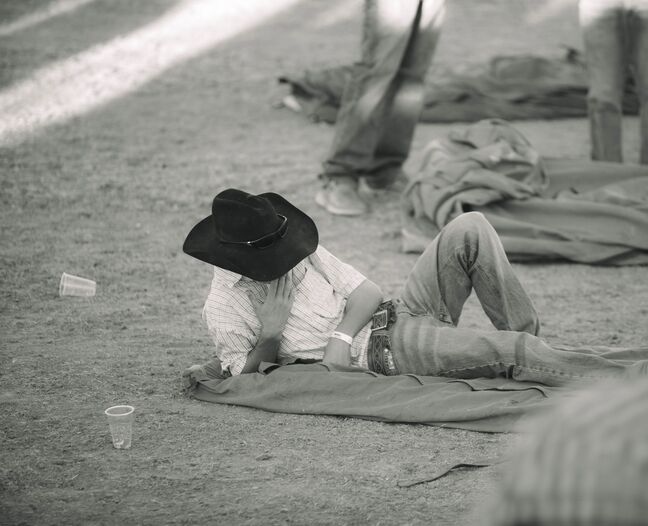
Rather than photographing the action, she found herself drawn to the quiet moments unfolding around her.
"I wanted to capture the personalities, character and quiet moments that often go unnoticed."
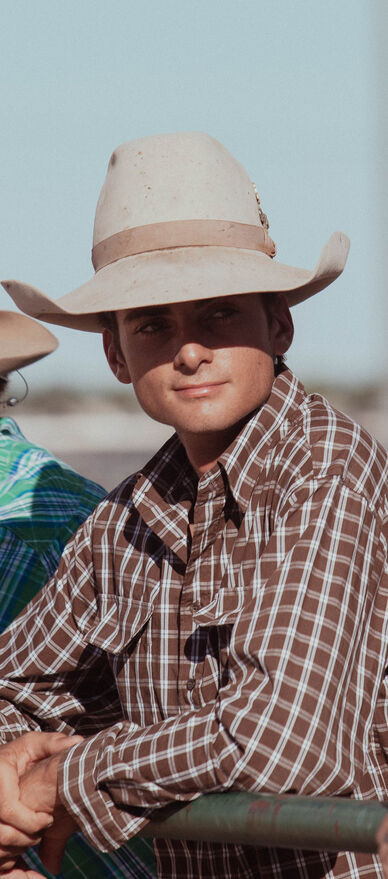
What makes these men such compelling subjects?
For Annie-Maree, the answer is simple.
"There's an authenticity that's hard to describe."
"They don't pose or try to be someone they're not."
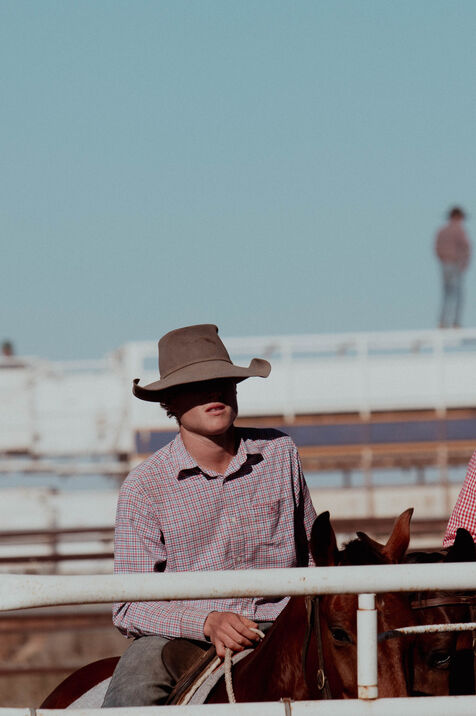
"Every face tells a story through the sun, the dust, the smiles, the tired eyes and the hats that have clearly seen plenty of miles."
Looking through her portraits, it's impossible not to notice exactly that.
No two faces are the same.
Every wrinkle, every grin and every battered hat tells a story.
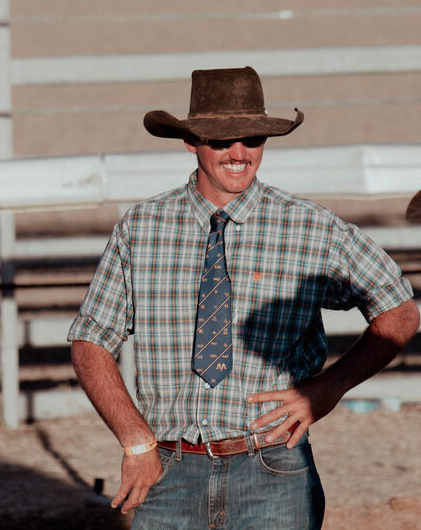
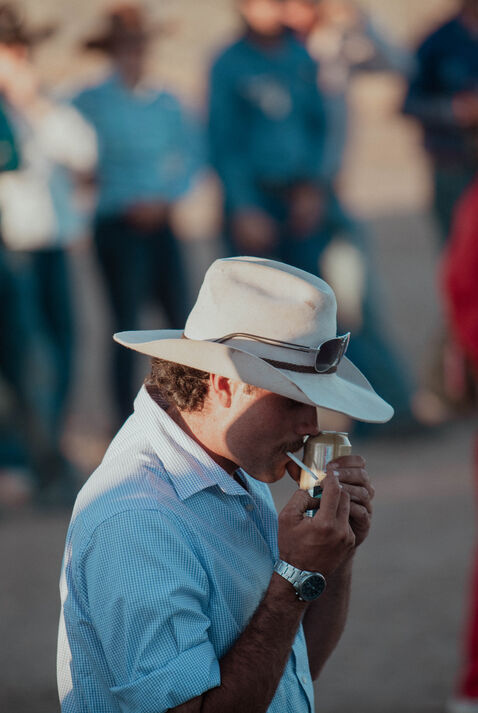
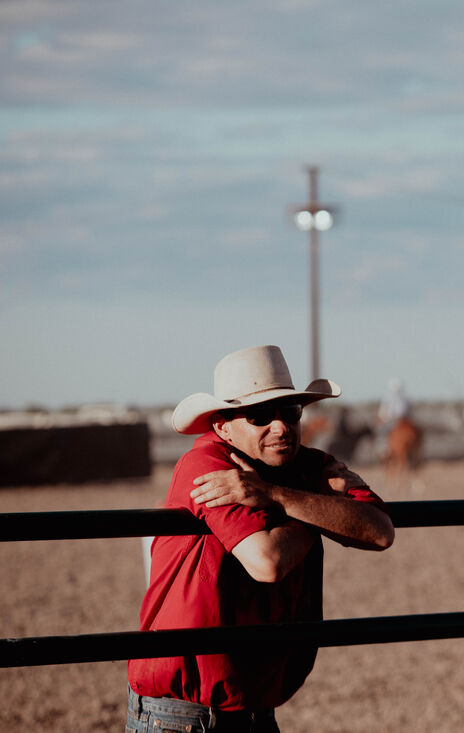
"Every face tells a story through the sun, the dust, the smiles, the tired eyes and the hats that have clearly seen plenty of miles."
Ask Annie-Maree what these portraits represent and she doesn't talk about photography.
She talks about people.
"I think they show resilience, humility and mateship."
"They work incredibly hard, but there's also a genuine sense of community and pride in what they do."
She also hopes people notice something else.
"I hope they also show the hints of mischief and the larrikin nature that seems consistent in the guys who work on the land."
"The smiles are the result of mischief, mateship and appreciating the simple things in life."
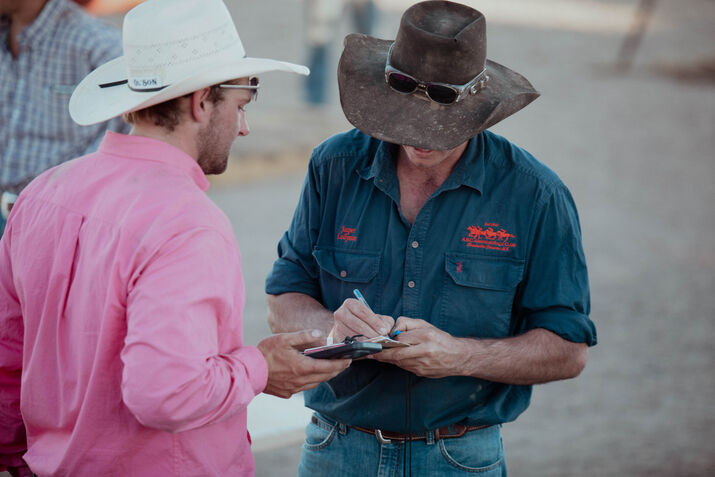
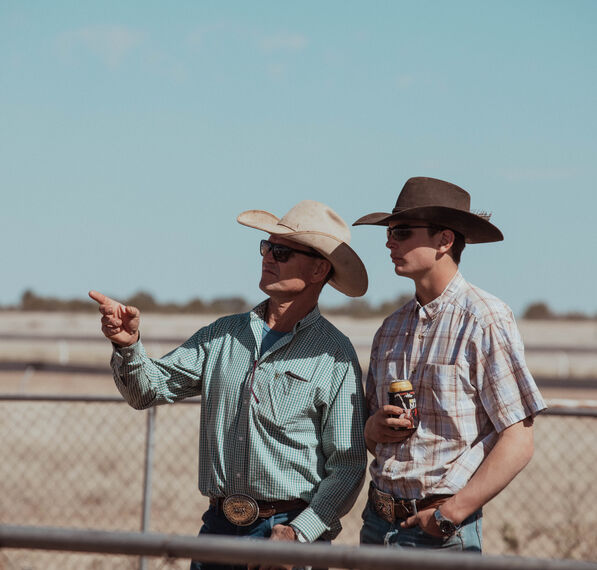
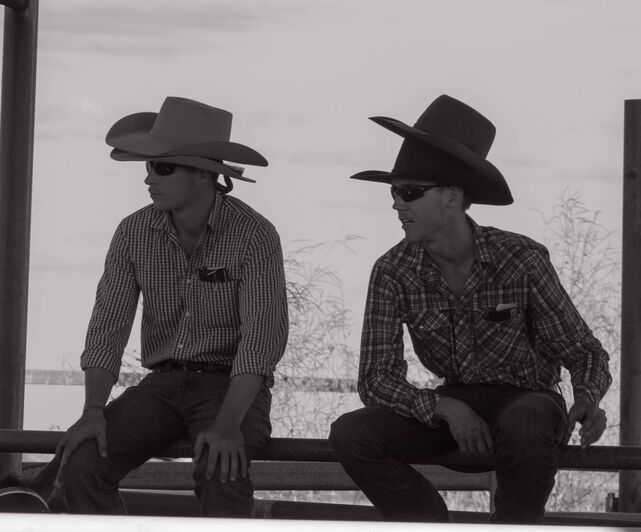
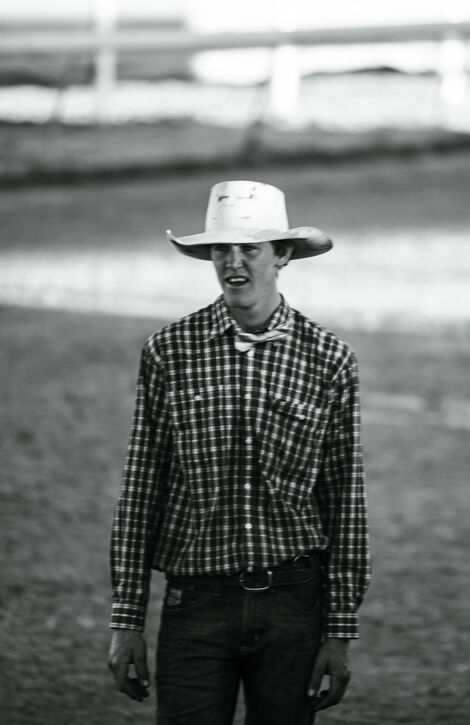
One of the most remarkable things about the collection is how natural it feels.
That's because almost every image happened by chance.
"They were mostly candid."
"A couple of times I got caught in the act and that's where the direct smiles came from."
"I find people are often at their best when they're simply going about their day."
Although she already knew a handful of the men through friends and Stockman's Challenge competitions, most were complete strangers.
The result is a collection that feels genuine rather than posed.
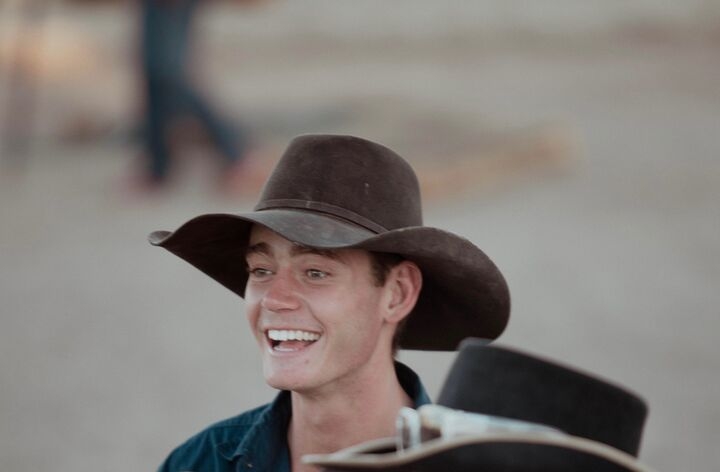
Life on a cattle station isn't easy.
The work is demanding.
The hours are long.
The nearest town might be hundreds of kilometres away.
So why do young blokes keep choosing it?
"From the time I've spent on stations, I think it's the sense of purpose, adventure and community."
"It's challenging, but you're part of something bigger than yourself, and the friendships formed out there are unlike anywhere else."
She believes there's another reason too.
"It is also a bit of a step back in time, working and playing like generations before us did."
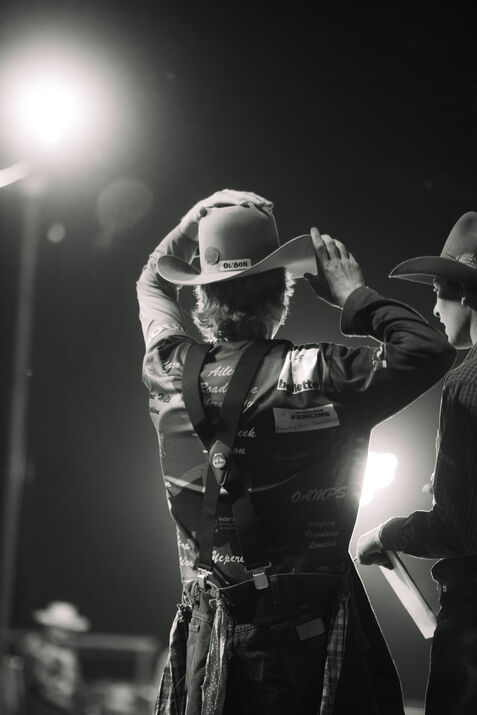
Can images like these encourage more young people to work in agriculture?
Annie-Maree believes they can.
"I think they can certainly spark curiosity."
"A photograph can't tell the whole story, but it can challenge assumptions and start conversations."
"If someone sees these images and begins to look beyond the stereotypes of station life, then I think that's a really positive outcome."
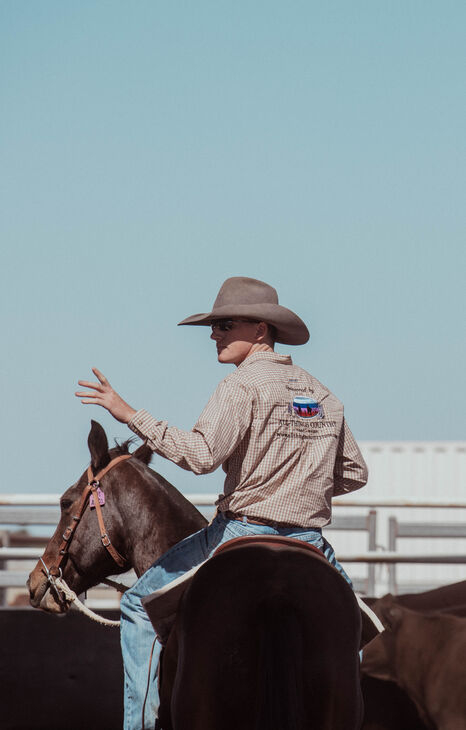
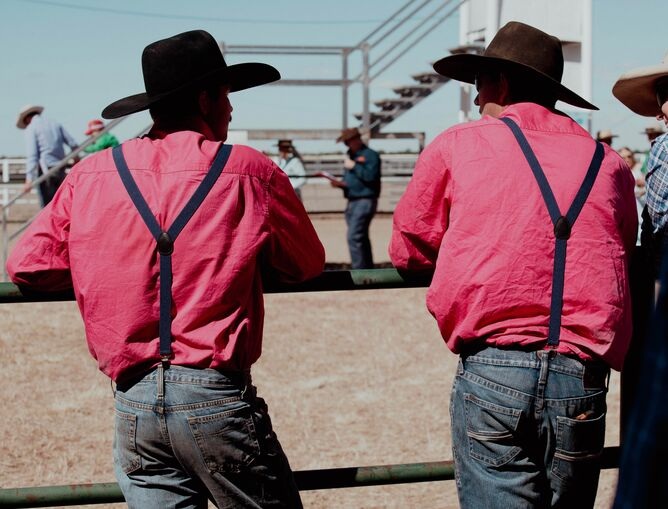
Perhaps Annie-Maree sums it up best.
"I hope people see the people behind the industry."
"Not just ringers, but hardworking individuals with character, resilience and stories worth telling."
"If my photos help people appreciate that side of rural Australia a little more, then I'd be stoked."
Looking through her collection, it's clear she already has.
These aren't simply portraits of ringers.
They're portraits of resilience.
Of mateship.
Of humour.
Of young Australians choosing a life of hard work, adventure and purpose.
Long after the final race has been run and the dust has settled over Brunette, these photographs will remain as a reminder of the people who keep Australia's cattle industry moving.
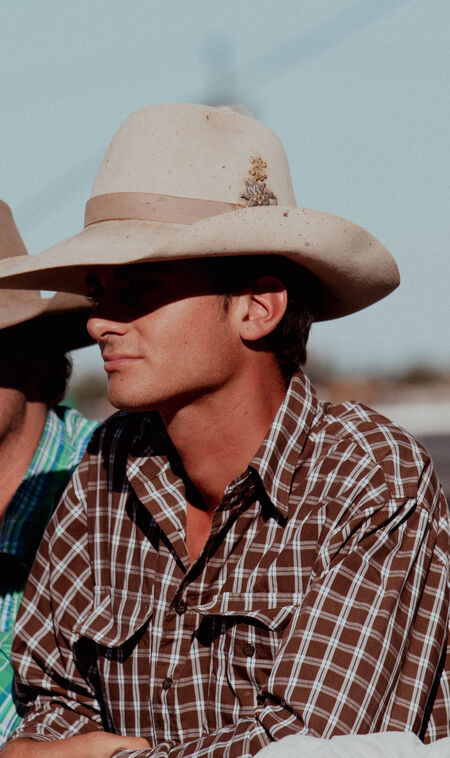
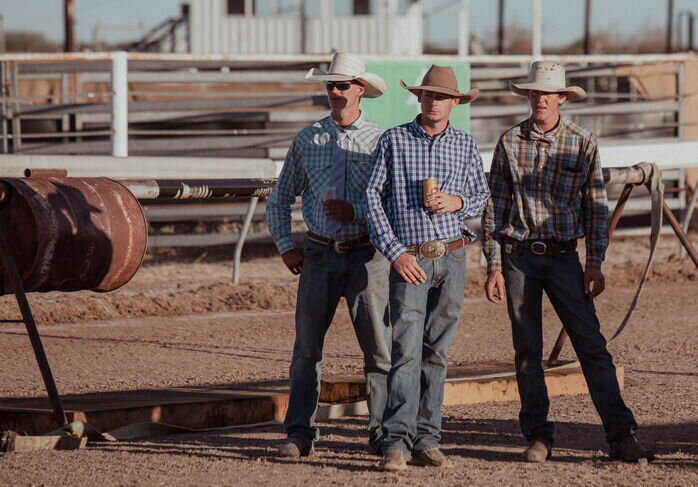
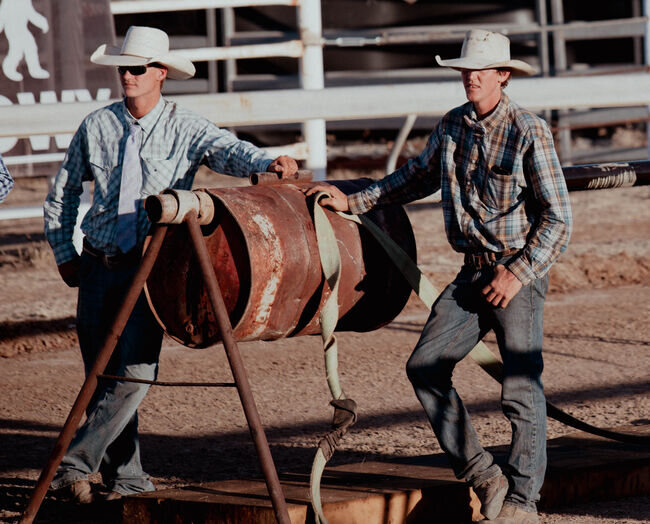
Self taught, photography began as a hobby while travelling and working in agriculture.
"My favourite photographs are the ones that tell a story."
"Whether it's a quiet conversation, a weathered face or a split-second moment, I love creating images that help people connect with the person or the story behind the photo."
Remarkably, Annie-Maree's family has no agricultural background... and a self taught photographer.
Everything she's learnt about station life has come from saying yes to opportunities and immersing herself in the Northern Territory.
Those experiences have inspired her Year 12 research project, exploring why people choose to remain on remote cattle stations despite the challenges.
It's a story that's only just beginning.
📸 Photography: Annie-Maree Martin (published with permission) | Story by Simon Cheatham (Founder RFTTE.com & RFTTEJOBS.com) ©
Check out Annie-Maree on: