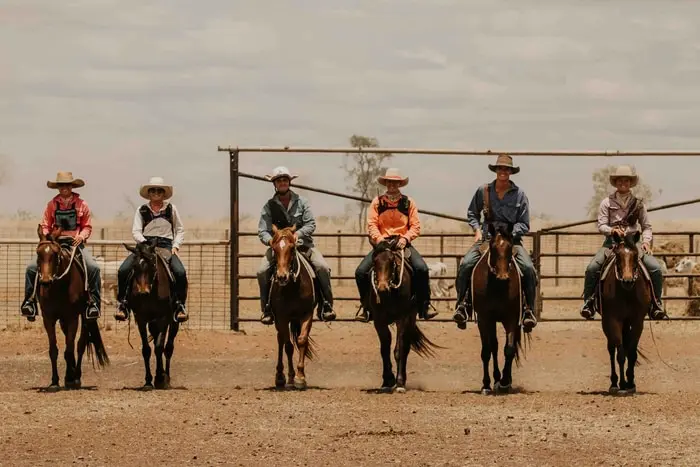
If you've ever thought about heading bush and giving it a crack, 2026 is shaping up as one of the best years yet to land an outback job in Australia.
From cattle stations in the NT to cropping operations in QLD and WA, the demand for workers is strong - especially for those willing to roll up their sleeves and commit to a season.
Outback jobs typically fall into a few key categories:
Cattle station work (station hands, ringers, cooks)
Farm & cropping roles (machinery operators, harvest crews)
Support roles (mechanics, admin, domestic staff)
Tourism & remote hospitality (tour guides, lodge staff)
There are hundreds of roles across Australia at any given time.
Timing is everything:
Peak hiring: Sept–Jan
Northern season: April–November
Harvest roles: seasonal (state-dependent)
Most cattle stations recruit ahead of the dry season, so getting in early gives you a massive edge.
Paid full-time roles (often with accommodation + meals included)
Long hours during peak season
Remote living conditions (limited phone reception, though Starlink is changing that; basic amenities, and in places across Queensland and the Northern Territory, long drives for supplies; a bar, or a river social event; plus heat and floods that can disrupt the journey)
But here's the trade-off… On your time off, you can discover striking scenery, enjoy a holiday-style adventure, meet travellers and a wide range of people, and build a broad range of experiences that can shape your life and give you memories to love for a lifetime, whether that means a camp stay or joining in the fun at a local event.
That sense of community is real, and many workers quickly feel local, make friends, and find lasting connection.
Good attitude > experience — the right person often has more opportunity to grow than someone with a perfect CV, and employers value passion, ability and a detail-focused approach.
Reliability and resilience — a strong team matters in remote roles, and the candidate who thrives is usually the one who can play an important role day after day.
Physical fitness — many outback jobs in Australia require you to be physically fit and may involve a pre-employment medical plus drug/alcohol testing.
White Card — required for mine-site work in Australia and ideally sorted before you apply.
Willingness to commit to a full season — this can support long-term career development, especially if you're passionate about remote work.
Initiative (pick up the phone, follow up!)
Plenty of stations are happy to train beginners if you show you're keen.
Apply to multiple roles (don't “put all your cattle in one paddock”)
Call employers after applying
Be clear on availability and location flexibility
Have a basic CV ready
Include relevant tickets and licences when you apply, and make sure you have RSA sorted for bar, pub, hotel, or restaurant roles.
And of course, keep an eye on jobs listed on RFTTEJOBS.com and your socials. If you're interested in a specific position, contact employers directly or join talent pools even if the exact role isn't listed.
Outback jobs aren't just jobs - they're a lifestyle, a real career opportunity for the right person, not just a short-term working holiday.
The outback spirit gives you the chance to build a meaningful future, not just take a job that shapes your life.
If you're chasing something real in 2026, this is it...