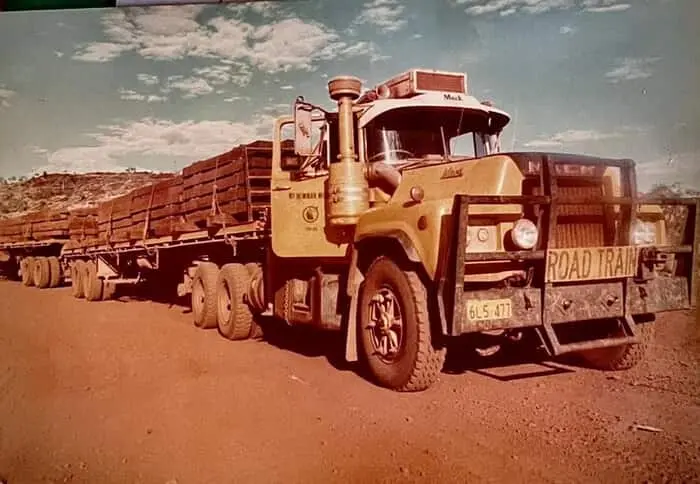
There are old vehicles, and then there are the battered old bush legends that seem completely incapable of dying.
You know the ones. The paint has faded, the seats have split, the aircon gave up sometime around 1998 and there is usually at least one important-looking part held together with fencing wire. They rattle, leak and occasionally need a carefully placed boot, but turn the key and they will still have a crack.
We recently asked the Ringers From The Top End community:
What is the toughest old vehicle or machine you have ever owned or operated?
More than 240 comments later, the answers covered everything from LandCruisers, Patrols and Macks to old Fergies, graders, dozers, tractors, trucks, aircraft, motorbikes, family cars and even a typewriter.
There were machines with more than a million kilometres on the clock, tractors still working after more than 70 years and vehicles that had survived floods, rust, learner drivers, station roads and decades of outright abuse.
But one name came up more than any other.
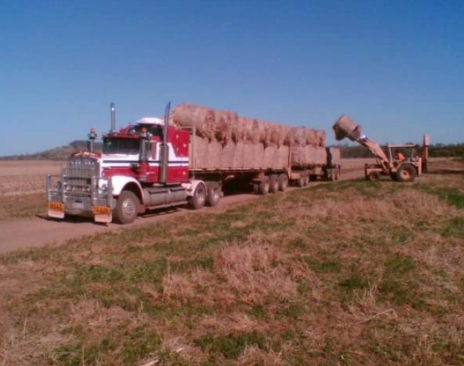
Graeme Wignell: His R Model Mack is featured as the main image above!
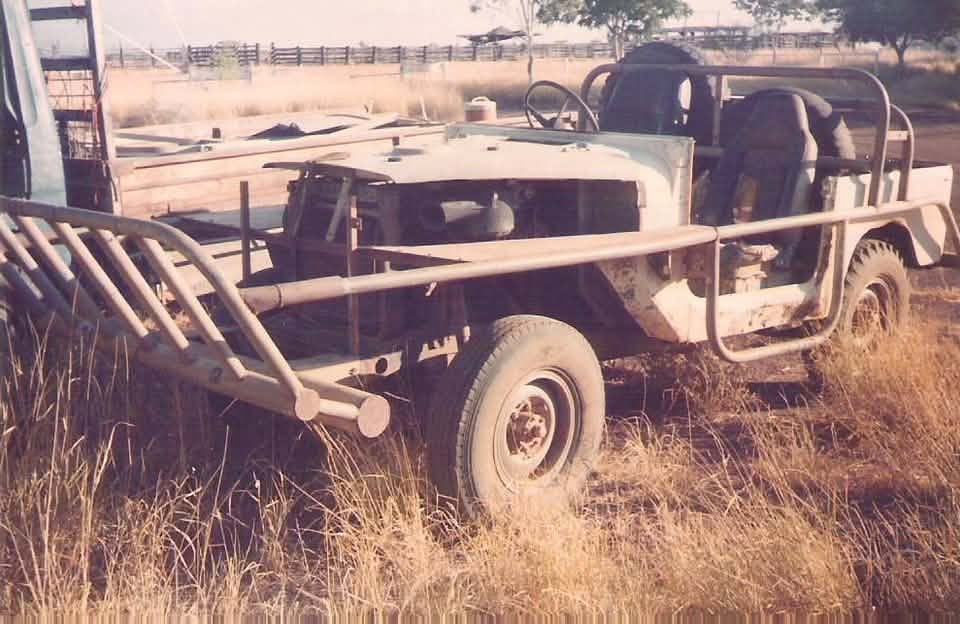
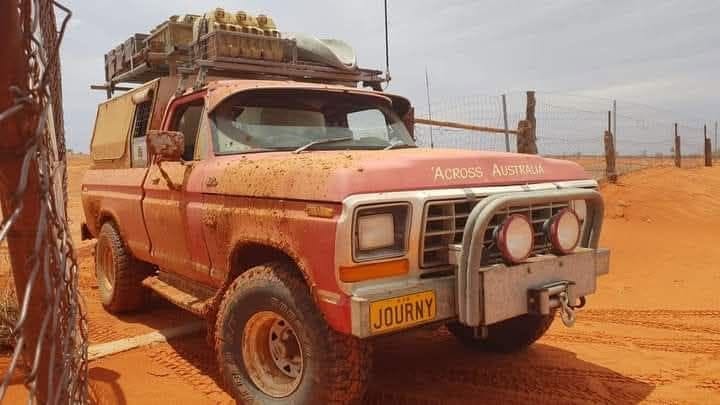
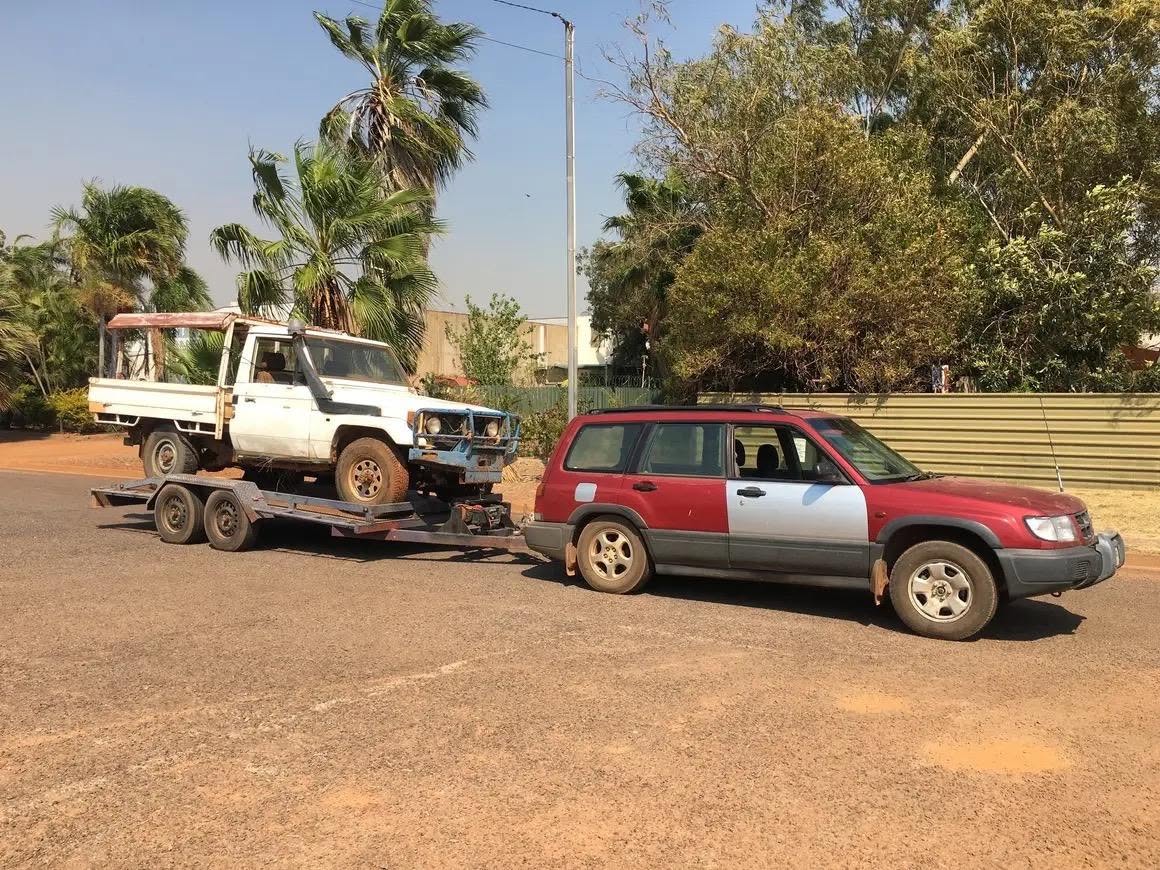
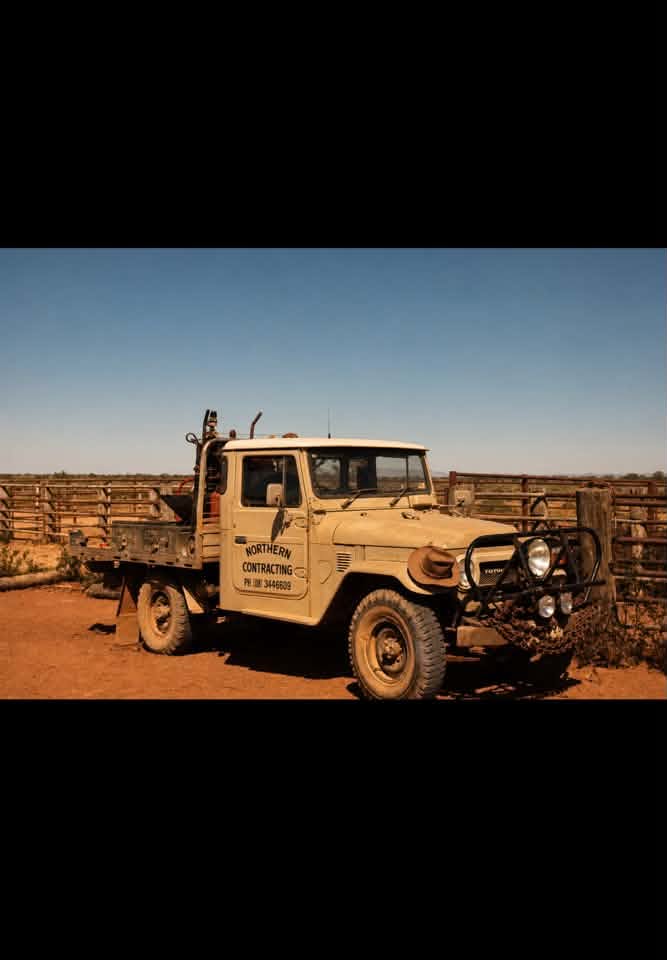
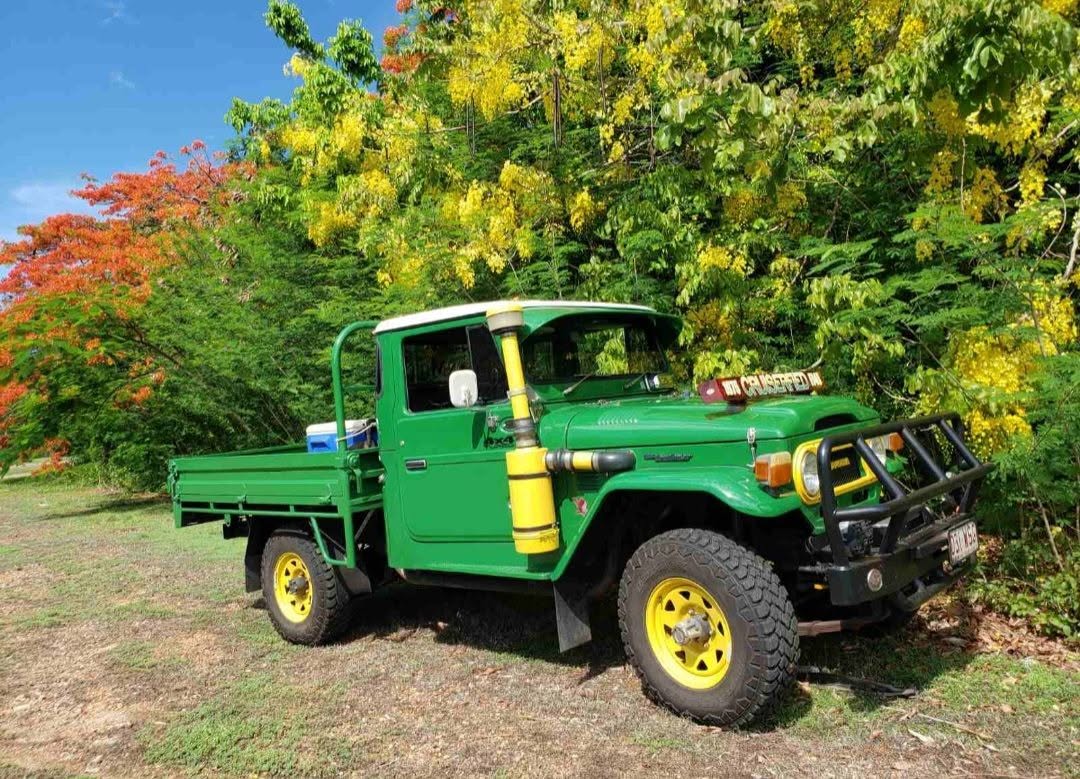
By our count, Toyota LandCruisers were mentioned in 40 separate comments, making them the clear community favourite.
The rollcall included FJ40s, FJ45s, FJ55s, HJ45s, HJ47s, HJ60s, 60 Series wagons, 75 Series utes, Troopies, BJ40s, HDJ79s and HZJ79s. Whatever the model, the message was much the same: these old Cruisers were simple, honest and incredibly hard to kill.
Phil Carrigan summed up his HJ47 in three words: “Unbreakable. The best.”
Andrew Vicary’s 1983 HJ47 had such a reputation that his children once joked about burying him in it. His reply was perfect:
“You better be careful, because it’s never got me in a hole that it couldn’t get out of.”
Garry Bowd has been waiting for his 1978 FJ45 to die so he can justify buying something newer. After more than one million kilometres, it still has not obliged.
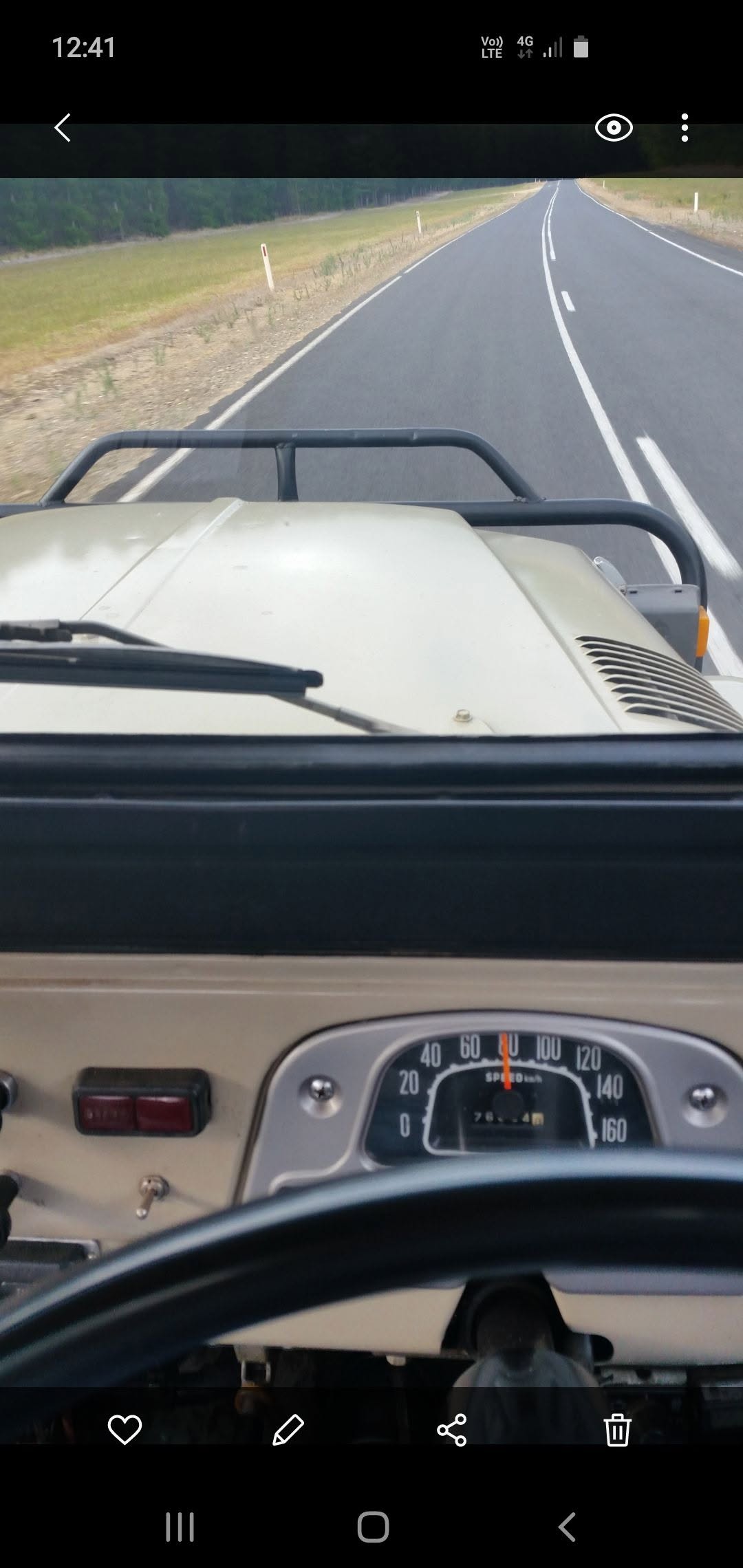
Vass Martin’s 1997 HZJ79 fencing ute has also clocked one million kilometres and, remarkably, still runs well without blowing smoke.
Shane Lukeman’s 60 Series reached 1.64 million kilometres, while Kez Walker’s HZJ75 Troopy was still going on its original engine at 700,000 kilometres.
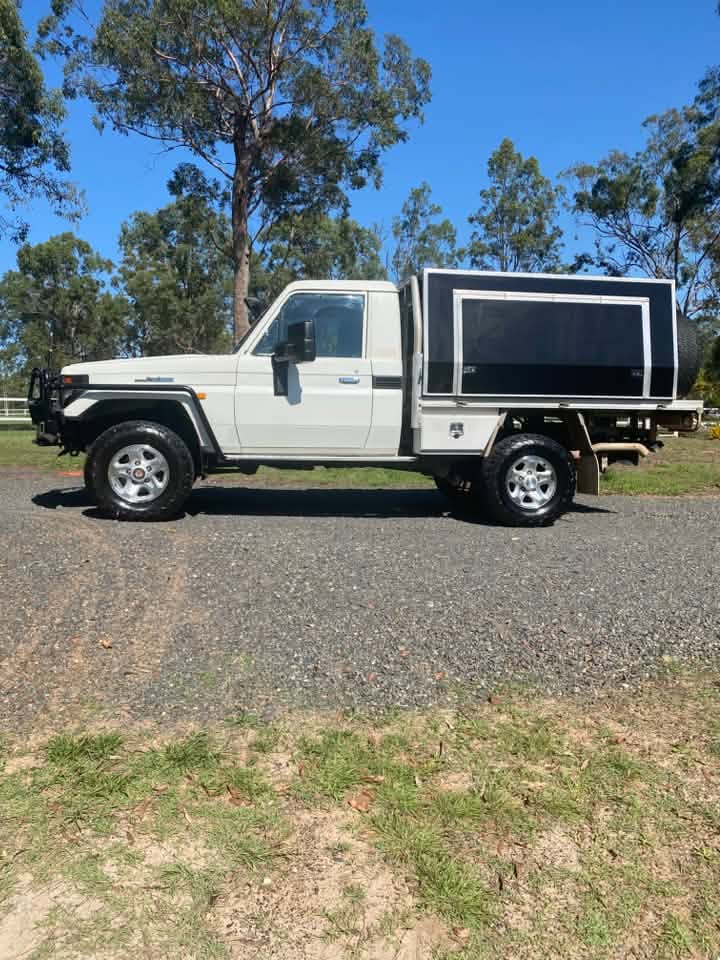
Then there was BlueFrog2396’s HDJ79. It has travelled about 780,000 kilometres, been completely underwater twice during floods and towed far more than it probably should have.
“Best money I ever spent. It has plenty of stories to tell. I’ll never get rid of it.”
Will Ruth’s old 75 Series was not flash, but it carted firewood and hay, went fencing, worked across stations and never let him down. It had 535,000 kilometres on the clock when he sold it to buy a Hilux with aircon. He still misses the old Cruiser.
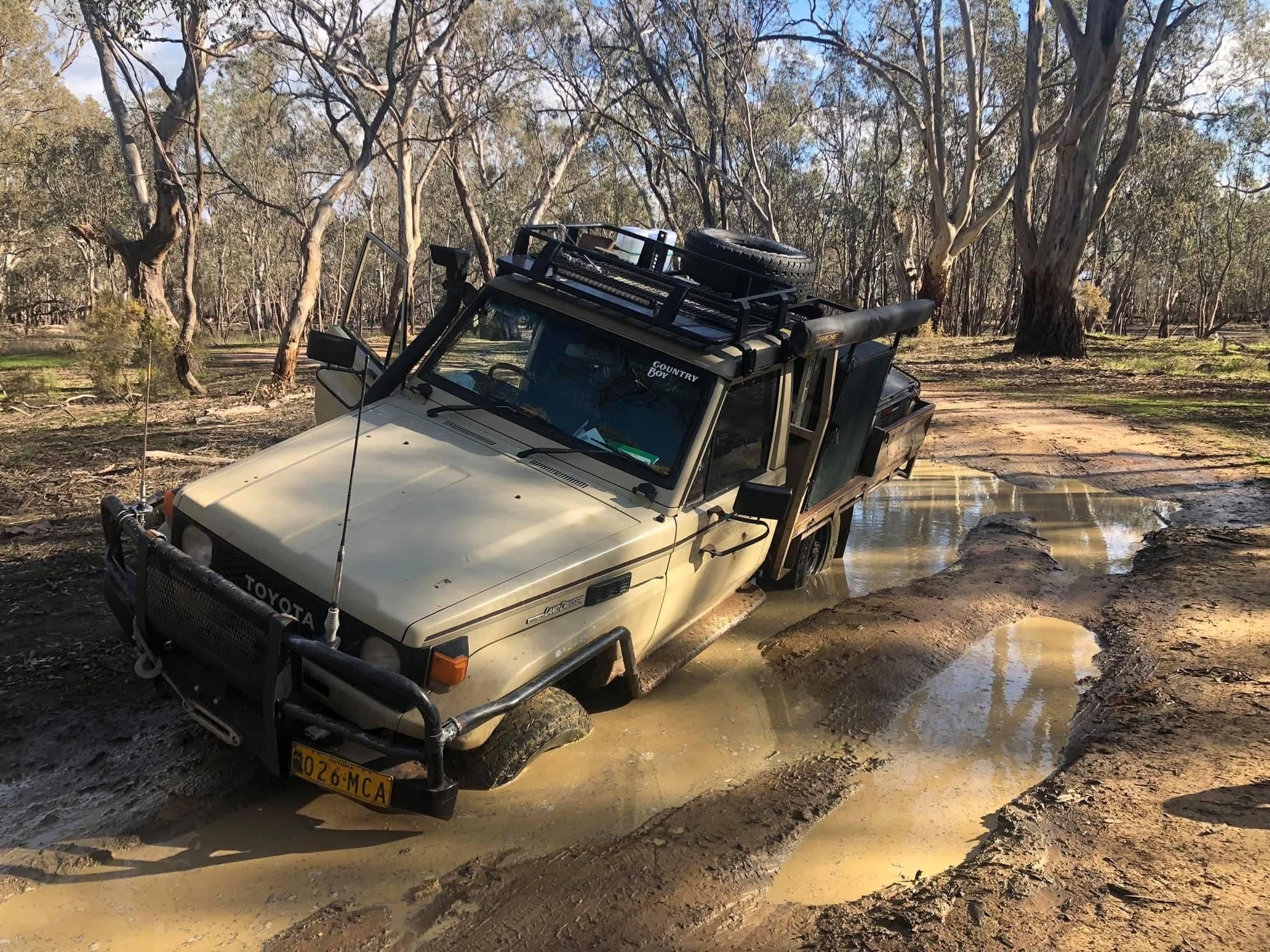
Others remembered 40 Series vehicles thrashed on mine sites, old station utes that gave plenty of warning before anything went wrong and Cruisers that kept moving even after rust had claimed nearly everything except the running gear.
As Nathan Gelhaar said of his 1979 HJ45:
“If it let you down, you weren’t listening.”
That may be the most accurate old-vehicle maintenance advice in the entire thread.
If the LandCruiser ruled the road, old Caterpillar machinery ruled the dirt.
The comments nominated Cat D4s, D7s, D8s, D9s, D10s and D11s, along with 12E and 12G graders, 17K graders, loaders, scrapers and dump trucks.
These were not machines that spent their lives polished in a shed. They pushed dirt, built roads, cleared country, worked mines and took daily punishment from operators determined to find their limits.
Shane Oldfield described the Cat 12E grader as “bloody near unbreakable, because I tried.” Bill Cross remembered the Cat 12 as the “wrist breaker”, while Stu Blackshaw recalled operating a 12E with very worn dog clutches.
Damo Buck’s 12E21F is still going strong, although he reckons it gives him a hiding every time. Others nominated the 17K grader, the 38E, the 12G and an old chain-drive grader with no hydraulics.
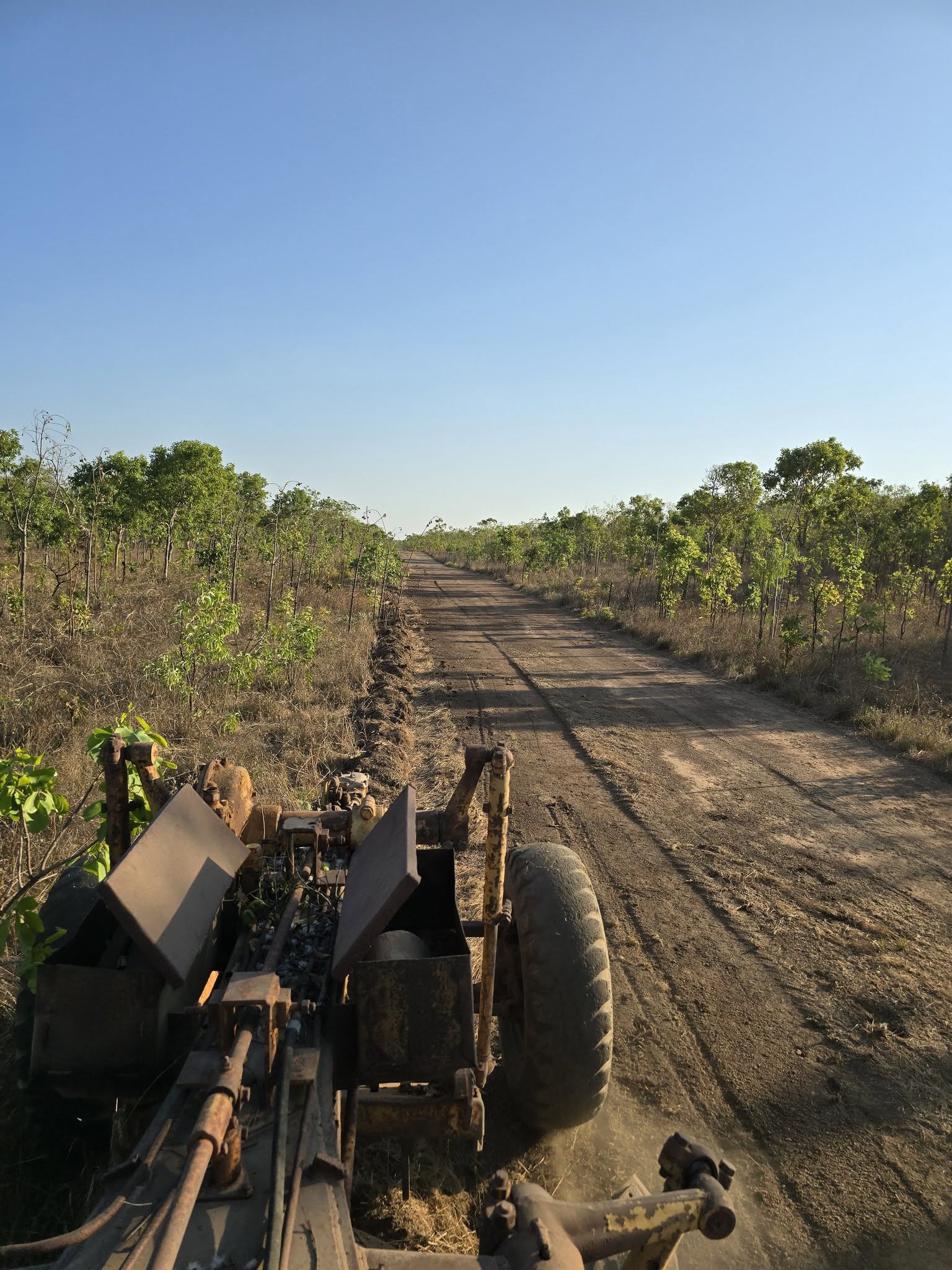
The dozer nominations were just as serious: D4D, D7G, cable-blade D7, D8H, D9H, D10 and D11R. One old flat-track D9 had even been converted into a sideboom.
Nobody suggested they were comfortable. Nobody said they were easy to steer. But tough? Absolutely.
The old Ferguson tractor was one of the most fondly remembered machines in the discussion, attracting about 13 mentions across the various TE20, TEA20 and “grey Fergie” descriptions.
Several people remembered the same important operating instruction: keep your thumbs outside the steering wheel. Hit a rock or rut and the wheel could kick back hard enough to break them.
Ludovicus Hadfield remembered exactly that warning, while Bruce Staines confirmed the consequences with one word: “Broken.”
Roy Rogers declared the TE20 Fergie “pound for pound unbeatable”, and Marcus Welykitscholowik recalled a 1950 TEA20 that spent 40 years working on a farm.
Richard Murray described the classic TE20 fuel system, starting on petrol before switching to kerosene once the engine had warmed up. Pat Holden began snigging logs with a 28-horsepower diesel grey Fergie in the early 1970s, when he was just 10 years old.
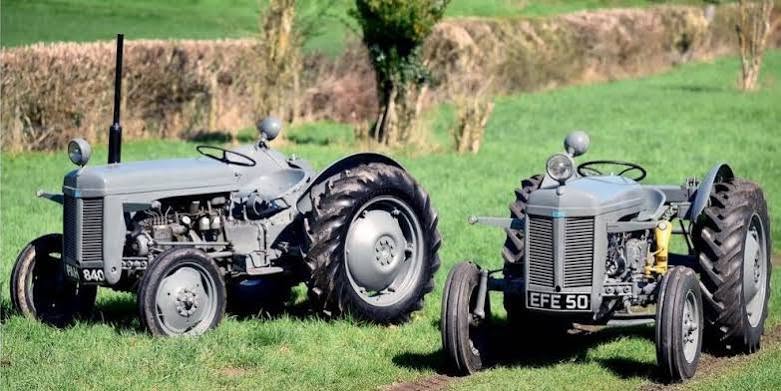
Shanell Beriman remembered her dad’s old blue Ferguson simply keeping on going, while Irene Tresidder said their old Massey Ferguson served them well for years.
They were basic, exposed and occasionally dangerous to your thumbs, but these little tractors earned enormous affection.
The Nissan Patrol brigade also arrived in force, with G60s, MQs, GQs and GUs all getting a mention.
Michael Hocking’s 1989 Patrol has travelled more than 900,000 kilometres. Mandy Pimento’s 2003 GU 4.2-litre had passed 500,000 kilometres and was still on the road, while Peter Spottswood’s 2006 4.2 diesel was still travelling tough country with more than 500,000 kilometres behind it.
Chris Walker’s GQ had clocked 630,000 kilometres, been stolen and recovered, and still survived.
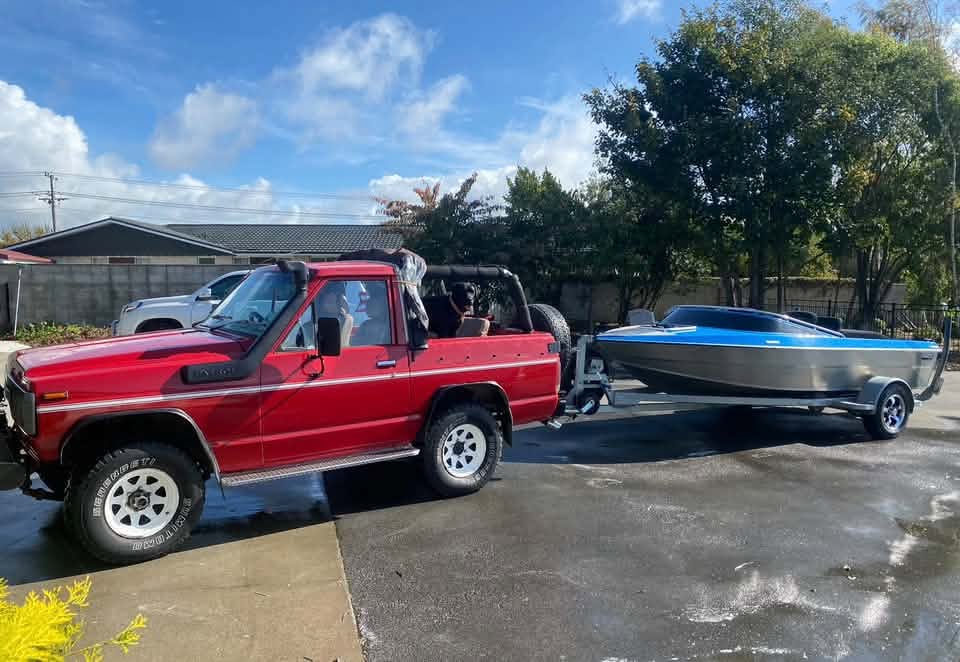
Trevor Martin reckoned his G60 could not be killed mechanically, although rust eventually managed what years of hard work could not. Kevin Timms called the G60 “probably the most underrated 4WD to ever come to Australia.”
That old battle between Cruiser and Patrol owners may never be settled, but both camps provided some very convincing evidence.
The truck drivers were never going to let this conversation pass quietly.
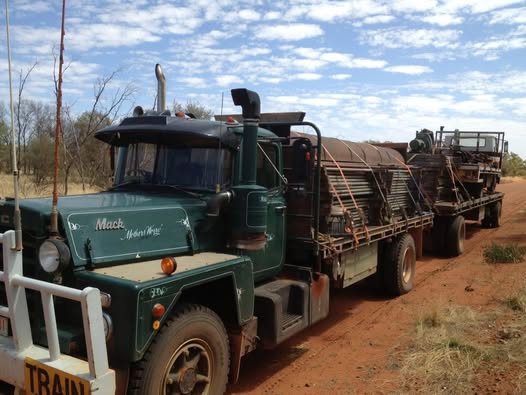
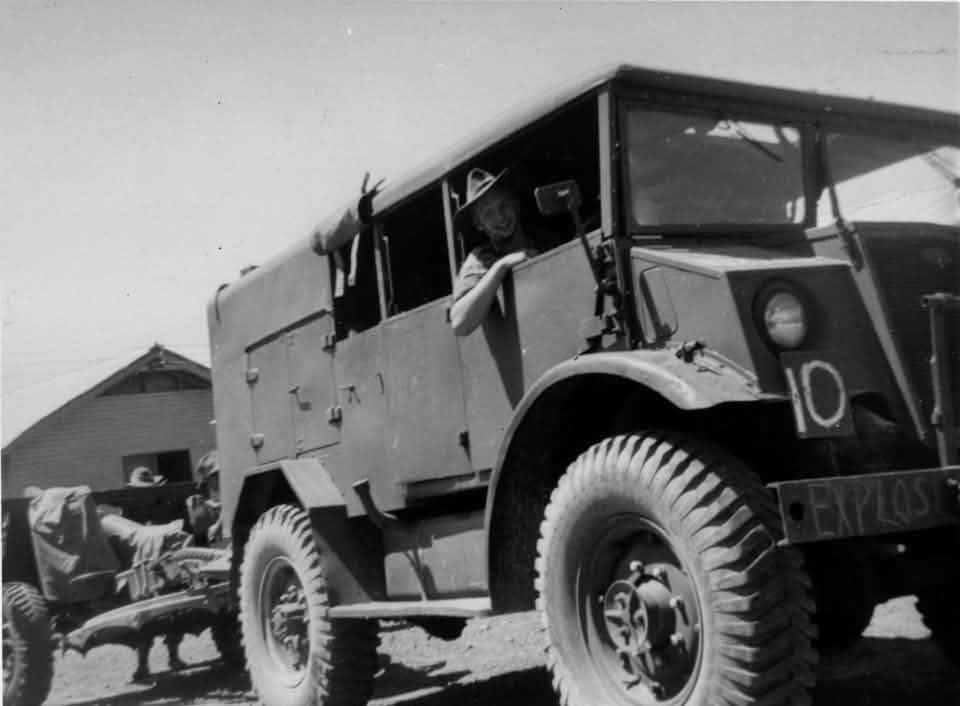
Mack featured repeatedly, including B Models, R Models, an FR700, a Super-Liner, an ex-military Mack and Bennett Cramer’s 1969 Mack “Flintstone”, which he called the best machine he had ever had the privilege to operate.
Darryl Thomas nominated the R Model Mack as the toughest and most reliable truck, while Doug Powell remembered the many old B61s and R Models, often without power steering.
Tas Beer’s B Model Mack ran a 711 motor and quad box and could shift an extraordinary load. Others remembered the heat, noise and sheer physical effort involved in piloting these rigs.
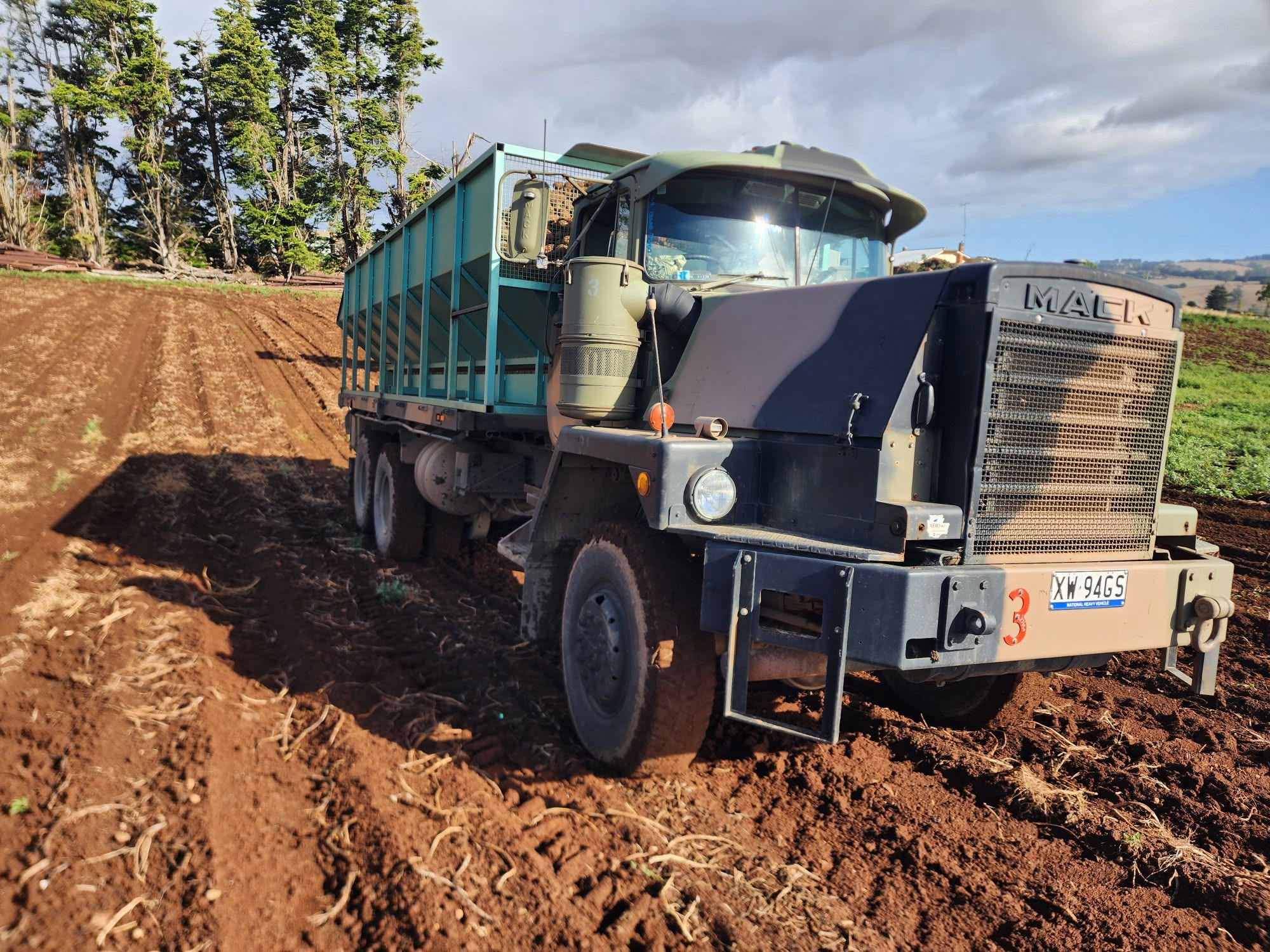
Wayne Bonham’s Diamond Reo had no aircon or power steering, made more decibels than its payload and had floors that glowed red on long pulls. He loved it anyway.
The other truck nominations included:
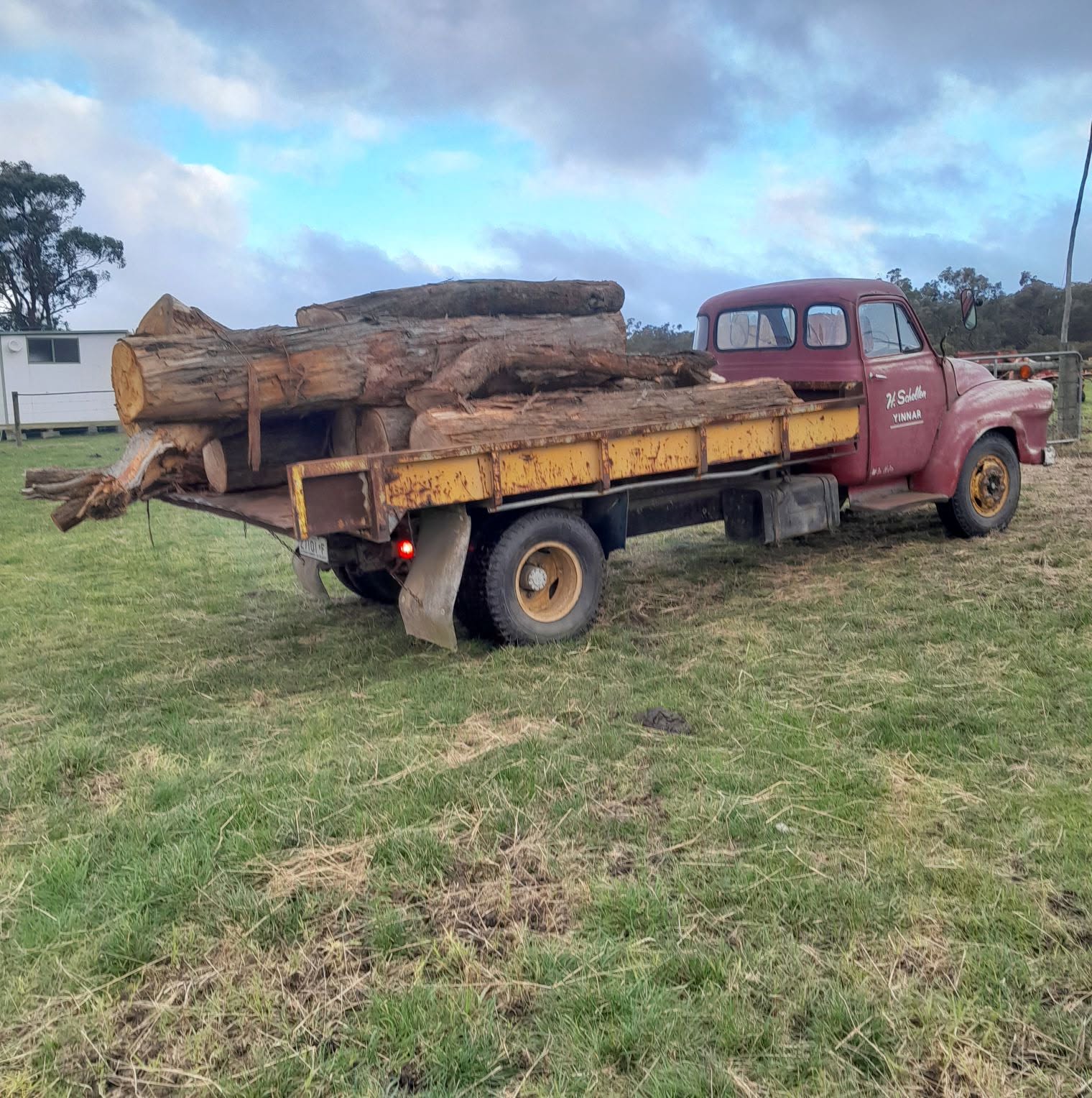
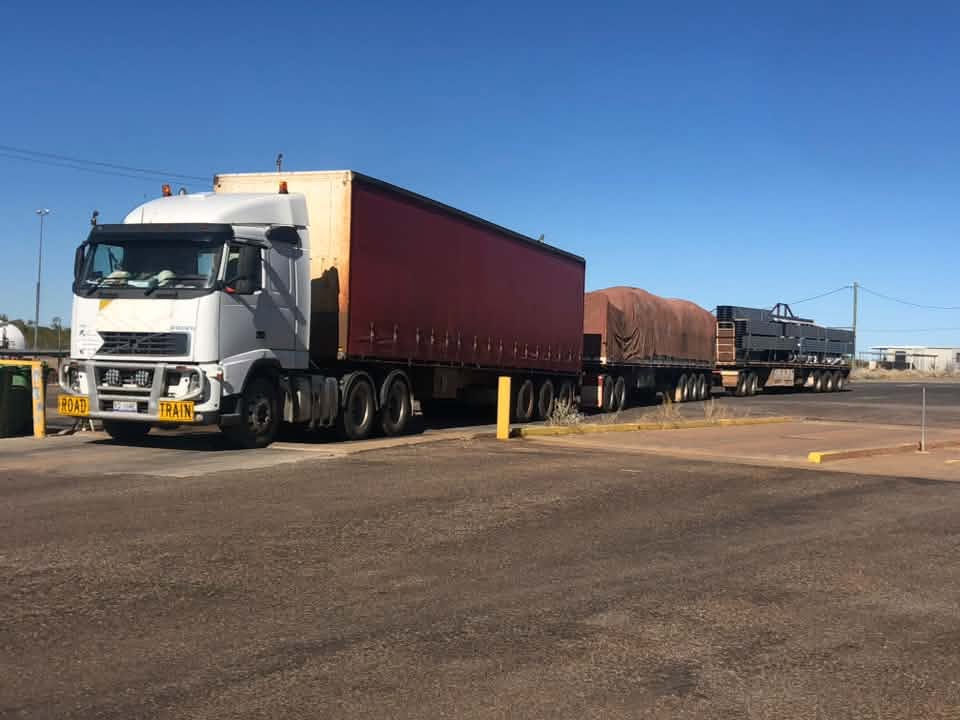
Curtis Loew’s old DA five-tonne truck never saw a highway. It regularly carried more than six tonnes up steep hills through dirt, mud, dust and rocks. Whatever was thrown at it, the old truck just plugged along.
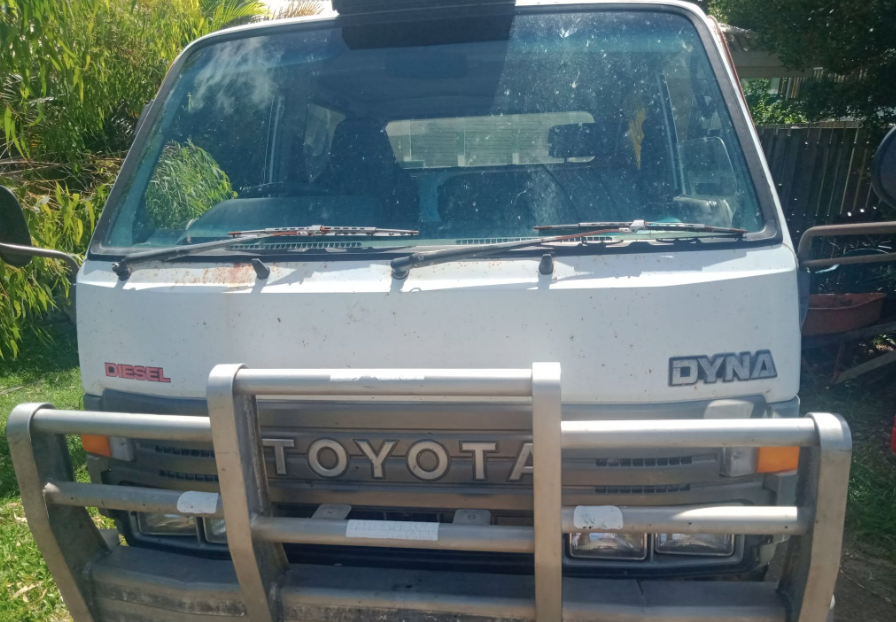
Beyond the Fergies, the tractor list read like a history of Australian farming.
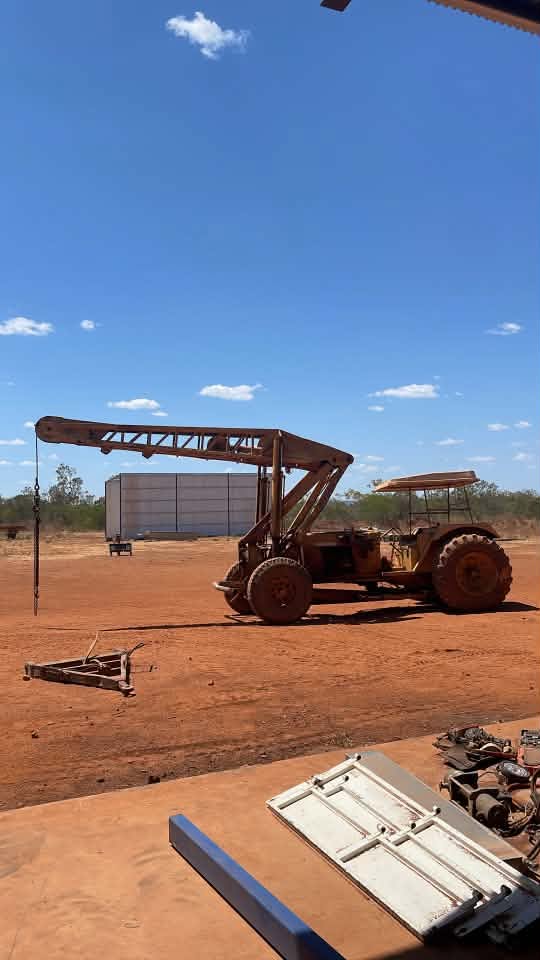
There were Chamberlains everywhere: C670s with louvre windows and plank seats, Super 70s, a 306 pulling a 24-plate offset and even an old Chamberlain yard crane.
Mark Bickhoff remembered the 306 towing an offset with dirt piling six inches above the front plates. He also remembered wrestling an old Nuffield across gilgai country with Armstrong steering as the front wheels jumped between cattle pads and hard lumps of ground.
The Fordson Major and Super Major earned several nominations, along with John Deere, International, Allis-Chalmers, Steiger, Case, Fiat, Deutz, Lanz Bulldog, Fowler and Minneapolis-Moline machines.
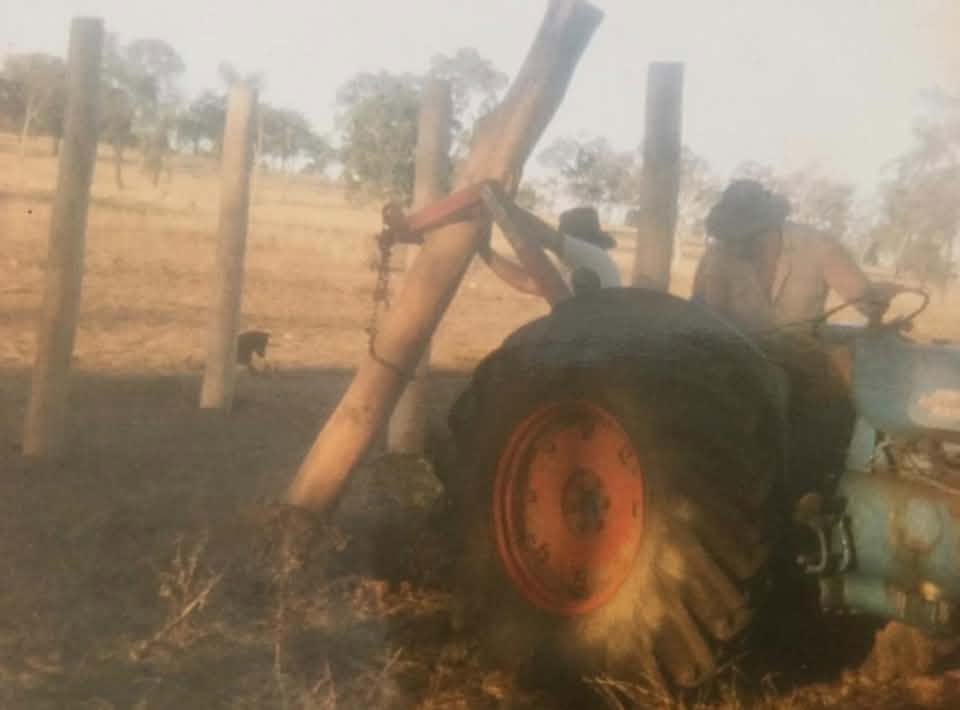
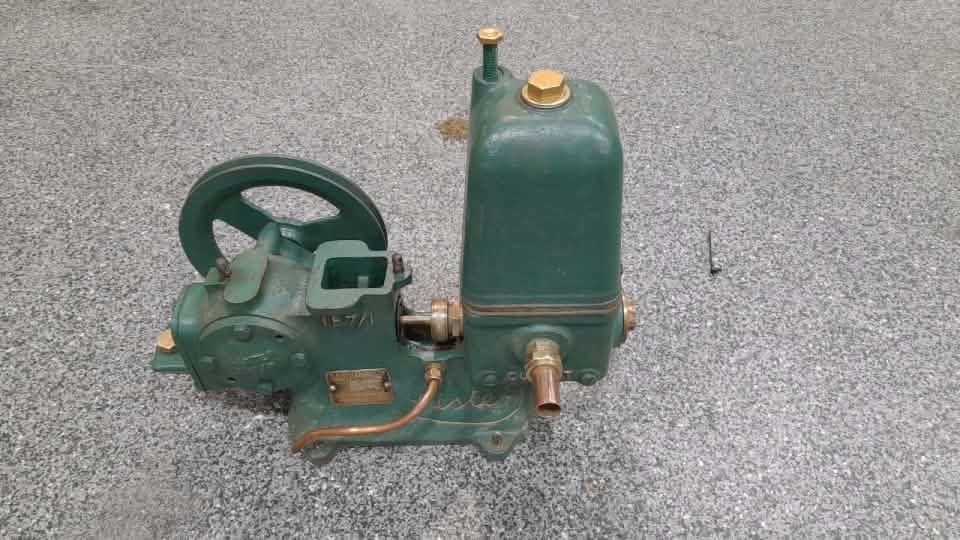
Phillip Shann nominated an old International 986 at agricultural college, saying generations of learner city kids could not kill it. Ari Petursson remembered a single-cylinder, 15-horsepower 1953 Deutz on an Icelandic farm that needed very little upkeep and simply kept going.
Paul William Mercer’s early Minneapolis-Moline had six cylinders, three cylinder heads, a hand-lever clutch and a huge front blade. He installed hydraulics and described the result simply as “a beast.”
And then there was a 1920 Fowler Marshall used to clean out bore drains and grade station roads around Winton. More than a century old, and still remembered for doing real work.
Not every tough machine was built for the bush.
Some of the best stories involved modest family cars that had no business surviving what their owners put them through.
Erny Ernst bought a Hyundai X3 Excel with 240,000 kilometres already on it, then drove it from Gippsland to Cairns and repeatedly between Cairns, Mount Isa, Burketown and Doomadgee. Then he sold it in Mount Isa...
And within two minutes the new owners did this...
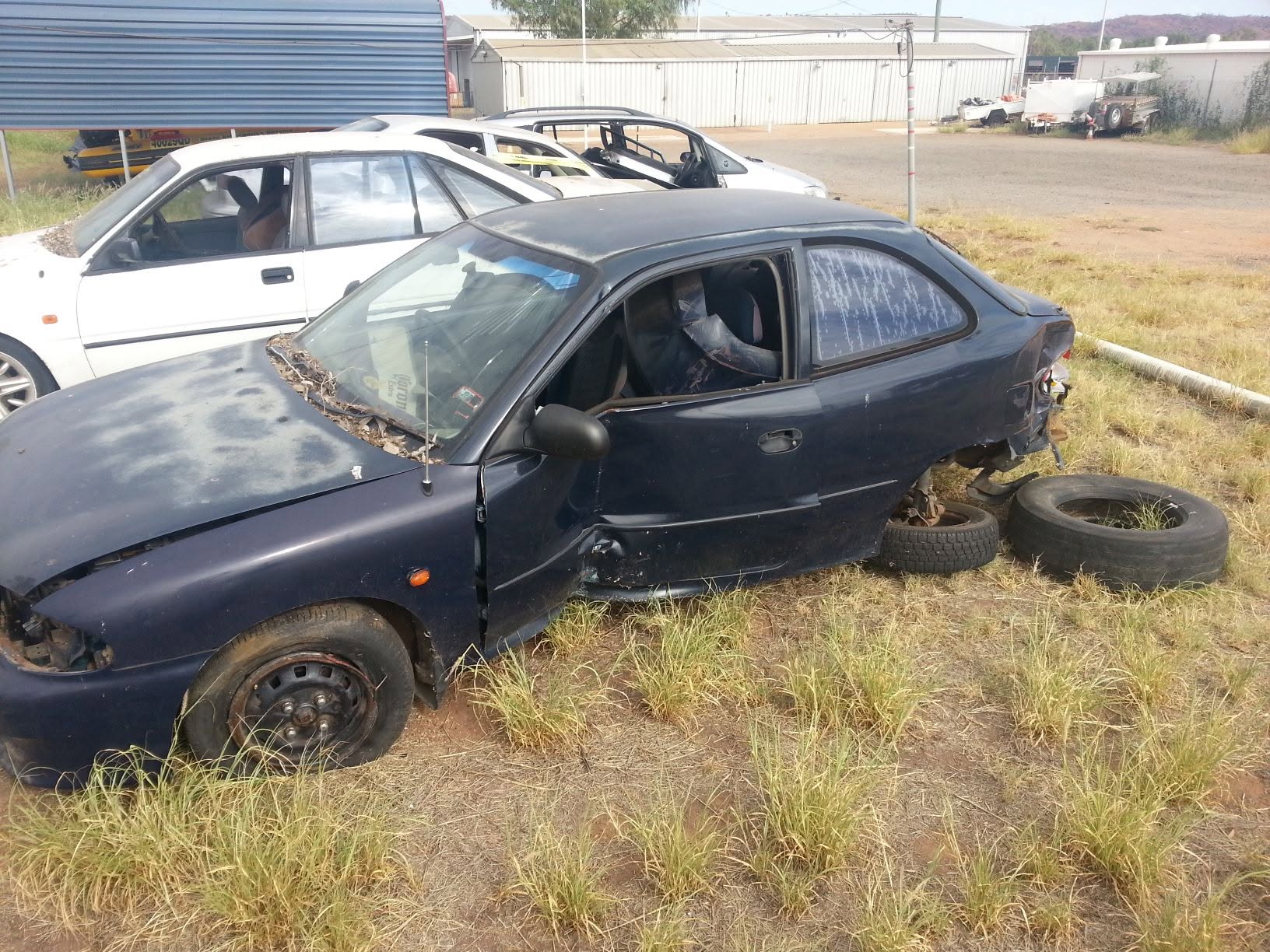
Luke Russell’s Mazda 121 crossed the Nullarbor, survived his entire apprenticeship and went four years without a service. Jesse Risk’s 1992 Corolla had no ABS, power steering or aircon, was involved in two collisions with SUVs and continued running.
Ruth Bergman’s Toyota Starlet reached more than 750,000 kilometres before being sold. A 1991 Triton mentioned by Ari Petursson was still working as a farm hack while approaching 600,000 kilometres.
Neville Bannah paid $300 for a VY Commodore, then took it across the Gibb River Road, Duncan Road, Great Central Road, Oodnadatta Track and Strzelecki Track, through Cameron Corner and on to Wolfe Creek. The Tanami was next on the list.
There were Datsuns, Holdens, Falcons, Valiants, Minis, Beetles, Volvos, Peugeots, Mercedes, Fords and even a much-abused Holden Camira that seized an engine, was repaired, sat for six months and then fired after three turns.
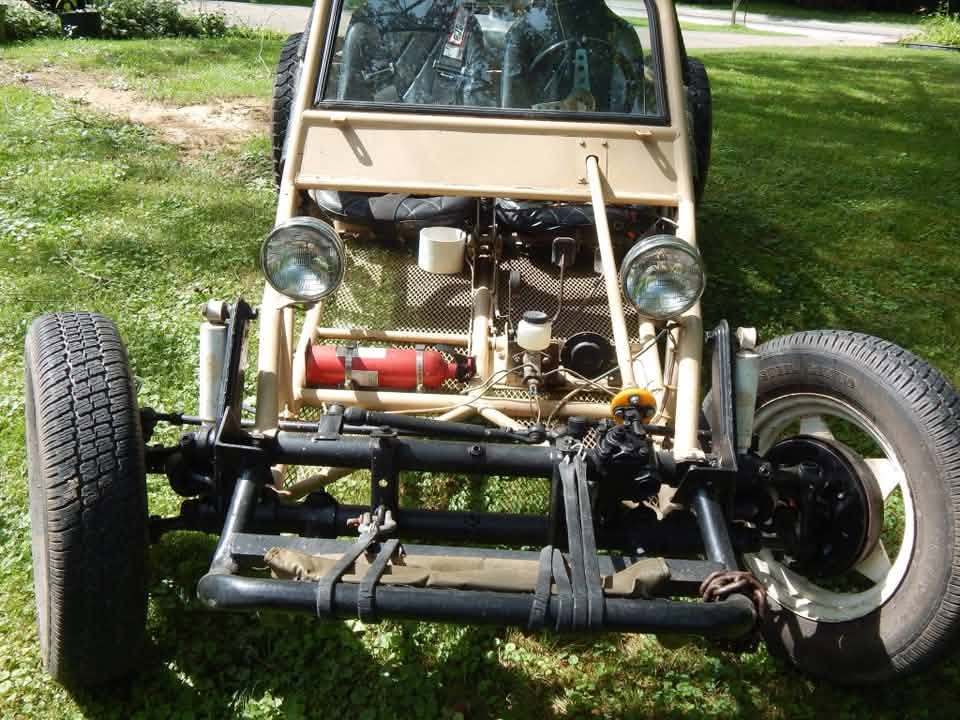
Hrd Vincent’s 1974 HQ Holden panel van topped an extraordinary 1.2 million kilometres. Holden sixes, Kingswoods, Commodores, Toranas and panel vans drew plenty of support, while old Datsuns and Valiants were remembered as equally stubborn survivors.
The nominations did not stop at four wheels.
James Townsend reckoned his Suzuki GSX1100E was indestructible. Jamie Wilkinson could not kill an AG100, and others nominated a Honda Wave, Honda Hawk and old four-wheelers.
Craig Commens spent 1985 mustering in a very tired 1963 Cessna 172, proving that the definition of an old workhorse can include wings.
There were also mentions for a Parker drilling rig in Papua New Guinea, a Kato excavator with no swing brake and worn pins, a Wabco scraper, a 30-tonne excavator with a broken stop cable, an old washing machine with an electric wringer, a wheelbarrow, a Tonka truck and a typewriter.
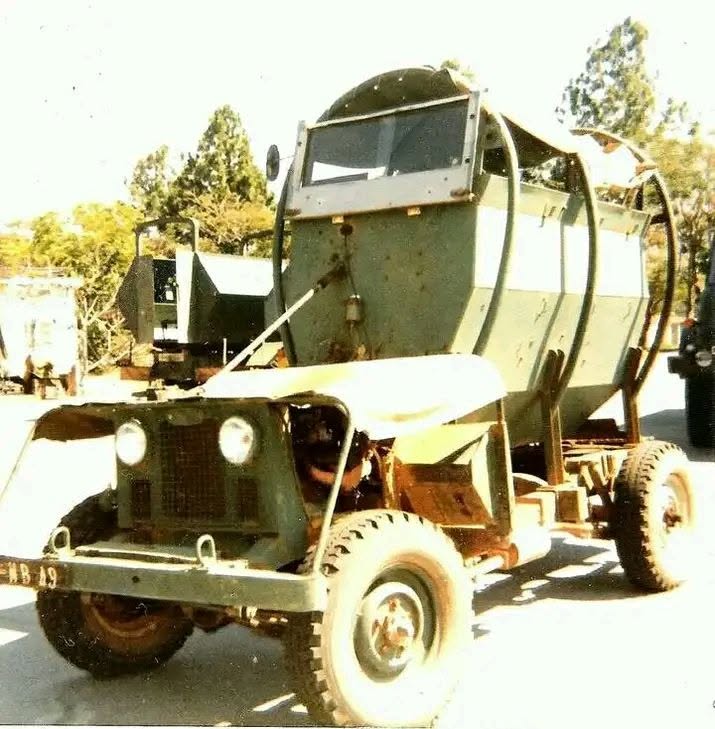
And, as happens whenever RFTTE asks a serious question, several people nominated themselves, their husbands, their wives or someone else’s mum. We will leave those entries out of the official machinery count in the interests of domestic harmony.
The common thread was not comfort, speed or technology.
It was simplicity.
These machines were mechanical, repairable and usually built with plenty of steel. When something went wrong, there was a fair chance it could be fixed in a paddock, beside a track or under a shady tree using basic tools, spare wire and whatever else was close at hand.
They also gave warning. They rattled, smoked, leaked, changed note or became even harder to steer. If you knew the machine and paid attention, it would often tell you something was wrong long before it stopped.
Modern vehicles are safer, cleaner, quieter and far more comfortable. Few people genuinely want to return to vinyl seats, no aircon, cable blades and steering wheels capable of breaking thumbs.
But there is something very hard not to love about an old vehicle or machine that has spent decades earning its keep and still fronts up for work tomorrow.
Based on separate comments (and there were 100's!) rather than the number of times a name appeared within one story, the broad favourites were:
The model names and nicknames were not always written consistently, so the totals are a best count from the comments. One thing, however, was not close: the old Toyota LandCruiser was the clear favourite.
Maybe it is an old station ute with a million kilometres on it. Maybe it is a tractor that has worked the same paddocks for 60 years. Maybe it is a truck, grader, dozer, bike or battered family car that survived things it was never designed to do.
Whatever it is, we want to hear about it. Add yours to the RFTTE Facebook post here
Tell us what it was, how many kilometres or hours it clocked up, what punishment it survived and whether it is still going today. Better still, share a photo of the old beast.
Because the toughest machines are never just machines. They become part of the family, part of the station and part of the stories we keep telling long after they have finally stopped.