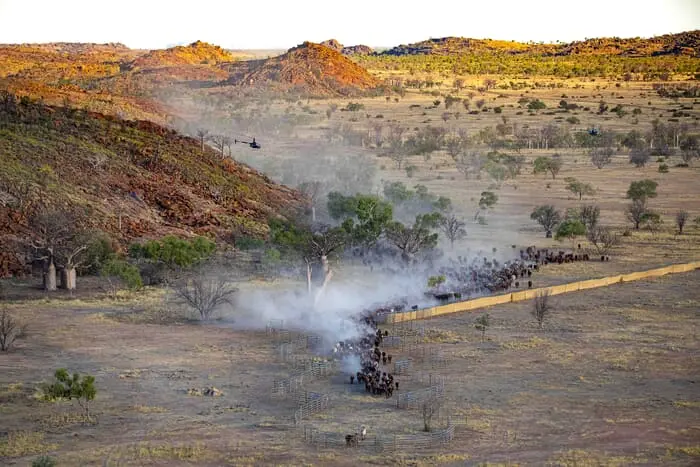
If you’ve ever dreamed of working in the heart of the Australian outback, cattle station jobs in Australia offer an experience like no other. From hands-on farm work to roles that develop life skills and independence, these positions are perfect for adventurous job seekers looking to immerse themselves in rural life.
Working on a cattle station is more than just a job – it’s a lifestyle. The work can be challenging but also incredibly rewarding, offering experiences that push you to grow both personally and professionally.
Whether you’re mustering cattle at dawn, maintaining fences, checking water points or helping out in the kitchen, work on cattle station positions teach resilience, teamwork, and practical skills you won’t find in a typical office. Plus, you’ll make mates for life while enjoying some of Australia’s most breathtaking landscapes, and a can-do attitude is essential for thriving in this environment.
Australia’s vast agricultural sector means there’s a wide variety of cattle farm jobs available, including:
Station Hand / Jackaroo / Jillaroo: General station duties like mustering, yard work, feeding and caring for livestock.
Feedlot Workers: Roles in feedlot operations, focusing on animal management, feeding, health monitoring, and supporting the efficient running of feedlots as part of large-scale livestock enterprises.
Sheep Station Hands / Sheep Workers: Working with sheep on sheep stations, including sheep care, mustering, shearing, and general sheep management as part of sheep station operations.
Bore Runners: Maintaining water systems and small motor/ solar pump maintenance.
Station Cooks: Preparing meals for station crews, providing essential meal service to support the workforce and maintain morale during long periods on remote stations.
Administrative Roles: Bookkeeping, payroll, data entry and logistics management for larger stations.
Pilots: Fixed-wing and rotary-wing aircraft used for mustering and other daily tasks.
Truck Drivers: Truck Drivers: From road trains to side tippers, truck drivers are a vital part of Australia’s infrastructure and food supply chain.
Machinery Operators: Operating heavy machinery, including Graders, Dozers or Loaders to make roads, fire breaks, dams and other infrastructure works.
Mechanics are essential on cattle stations, keeping all vehicles, machinery, and equipment in top working order. This includes trucks, tractors, quad bikes, generators, pumps, and farm machinery. On remote stations, a skilled mechanic ensures operations continue smoothly, as breakdowns can halt mustering or feed programs.
Tradespeople: Electricians, Carpenters, Plumbers and Boiler Makers, amongst other trades, are integral to new infrastructure on stations and regional areas.
Management Roles: Head stockman, overseer, farm manager jobs or station manager positions for experienced workers.
Employment on stations, farms, and feedlots can be full-time or seasonal, and employers often seek motivated persons for a variety of roles. Some employers offer opportunities to work across other properties, including different stations, farms, and feedlots, providing diverse experiences and career progression.
The operation of large-scale properties involves both plant and animal cultivation, with a focus on livestock management, crop production, and maintaining natural resources. Service roles, such as accommodation and meal service, are also important aspects of station life, supporting the well-being and productivity of all workers.
Many outback station jobs also include accommodation and meals, making it easier to save money while living and working in remote areas.
Cattle stations are spread across several states and territories, especially in the north, central, and more arid or semi-arid areas. Many northern stations experience a 'wet season', typically from November through to March, during this time mustering stops and then begins again around late March until November - it just depends on when the rains start and end. The key regions are:
Queensland (QLD) - large stations are located throughout QLD, particularly in the Channel Country, Central QLD and the Gulf Country in Far North QLD.
Northern Territory (NT) – there are many large cattle stations across vast areas in the south central and northern regions of the NT - some are just a couple of hours from Darwin; many around Tennant Creek and Katherine; along the Barkly Tablelands and Alice Springs in the south of the NT.
Western Australia (WA) – especially the northern and interior parts, in particular the Kimberley and Pilbara Regions.
South Australia (SA) – particularly the far north / desert-border regions. The largest station in the world (Anna Creek) is here.
Applicants must have the legal right to live and work in Australia. Experience is helpful but not always essential – many stations are happy to train enthusiastic beginners who are willing to learn and work hard.
RFTTEJOBS.com does not accept applications from overseas job seekers or anyone who does not already have the legal right to live and work in Australia. Applicants must have the appropriate visa or residency status to be considered.
cattle industry. If you’re seeking an exciting opportunity in station work, here’s what you’ll need to succeed:
Physical and Mental Stamina: Life on a cattle station is demanding. From early mornings to long days under the sun, you’ll need to be physically fit and ready for hard work. A positive attitude and a can-do spirit will help you tackle the challenges that come with station jobs.
Experience with Livestock: While many stations are open to training new employees, having experience with cattle or other livestock is a big plus. Understanding animal behavior and welfare is essential for station hands and anyone involved in general station work.
Familiarity with Modern Machinery: Today’s cattle stations rely on modern machinery for everything from feeding and maintenance to large-scale property management. Skills in operating and maintaining equipment can set you apart and make your job easier.
Teamwork and Independence: Whether you’re working alongside other livestock workers or taking on tasks solo, being able to collaborate with the whole team and work independently is crucial. Good communication and a willingness to pitch in wherever needed are highly valued on any station.
Adaptability and Flexibility: No two days are the same on an Australian cattle station. Weather, livestock needs, and unexpected tasks mean you’ll need to be adaptable and open to learning new skills as you go.
Commitment to Safety: Safety is a top priority on all cattle stations. You’ll be expected to follow safety protocols and contribute to a culture that values both human and animal welfare.
Comfort with Rural Living: Many stations provide accommodation, ranging from shared bunkhouses to private quarters. Being comfortable with rural life and sometimes basic amenities is part of the experience.
Opportunities for Growth: If you’re seeking a long-term career in the cattle industry, many stations offer training and development in areas like beef genetics, livestock management, and the use of advanced machinery. There’s plenty of room for growth for those with a passion for farming and a desire to learn.
If you’re ready to take on the challenge and rewards of station life, cattle station jobs in Australia offer a great opportunity to develop new skills, make lifelong friends, and play a vital role in the country’s agricultural future.
RFTTEJOBS.com is your go-to platform for all Australian cattle jobs. We want to hear from you if you're interested in working on a cattle station. Browse opportunities by state or job type, and set up alerts to ensure you never miss a new posting. When preparing your resume and application, pay close attention to detail to showcase your skills and experience. Start preparing your resume, get your gear ready, and get ready to experience life on a true Aussie cattle station! When you arrive at a station, expect to be provided with information about accommodations, supplies, and work conditions so you can be fully prepared.
👉 Browse Current Cattle Station Jobs in Australia
Please note: To apply for jobs listed on RFTTEJOBS.com, you must be an Australian permanent resident or hold a valid visa that allows you to live and work in Australia.
The majority of employers advertising on our platform can only accept applicants who already have the legal right to work in Australia.
If you do not currently hold an appropriate visa, you can find detailed information and apply through the official Australian Government website:
👉 immi.homeaffairs.gov.au