When people think about working with cattle in Australia, they often picture big stations, horses and helicopters mustering across vast country.
But another major part of the Australian beef industry is the feedlot sector, and it offers a wide range of rewarding jobs for people who enjoy working with livestock, machinery and practical hands-on tasks.
Feedlots play an important role in finishing cattle on grain diets before they go to market, helping produce consistent, high-quality beef for domestic and export markets. These operations rely on skilled teams working together across livestock management, feeding systems, maintenance and administration.
If you’re considering a role in the industry, here’s what you should know.
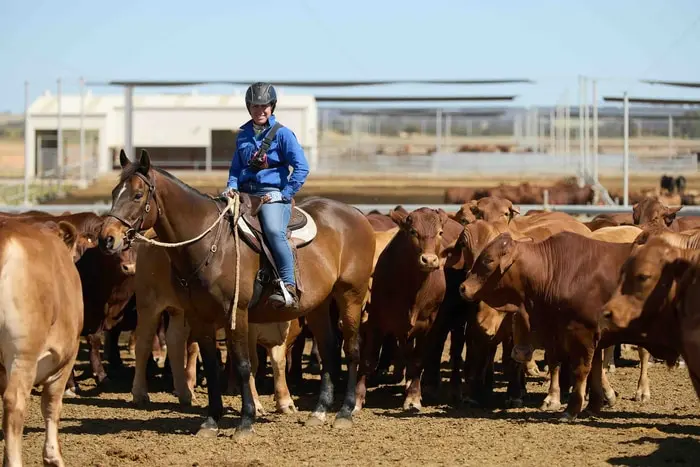
(Image above is a Livestock Hand/ Pen Rider at Harvest Road's Koojan Downs Feedlot at Moora, WA. See the latest jobs at Koojan Downs)
A feedlot is a specialised cattle operation where livestock are fed carefully balanced grain rations to finish them for market.
Many Australian feedlots range from a few thousand cattle to more than 70,000 head, and they operate much like a well-run agricultural business with dedicated teams across multiple departments.
Feedlots typically include:
Cattle pens and yards
Feedmills and grain storage
Machinery and maintenance workshops
Livestock handling facilities
Offices and administration areas
Because of this scale, feedlots employ people with a wide variety of skills and backgrounds, not just livestock workers.
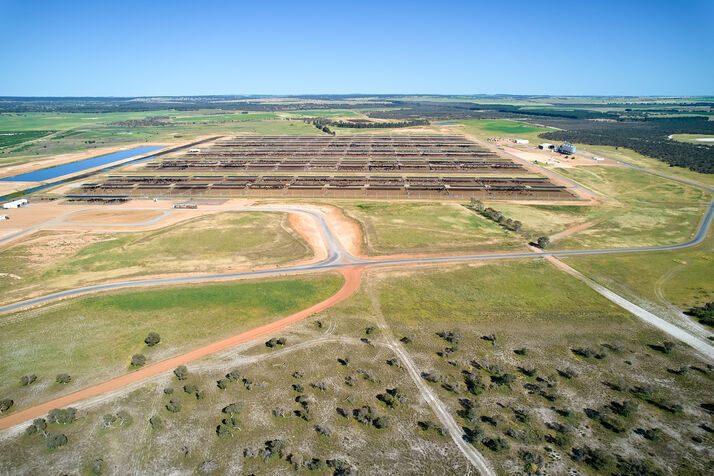
Harvest Road's Koojan Downs Feedlot at Moora, WA. See the latest jobs at Koojan Downs
On RFTTEJOBS.com you’ll often see several different types of feedlot roles advertised. These jobs generally fall into four main teams within a feedlot operation.
These roles involve daily care and monitoring of cattle.
Typical jobs include:
Animal health technicians
Stock handlers
A pen rider is one of the most recognised feedlot roles. Each day riders move through the cattle pens on horseback checking livestock for illness, injury or behavioural issues and assisting with treatments when needed.
Responsibilities can include:
Riding through pens to monitor cattle health
Drafting and moving stock
Identifying sick animals early
Assisting with veterinary treatments
Recording animal health data
Strong horsemanship and livestock handling skills are highly valued in these roles.
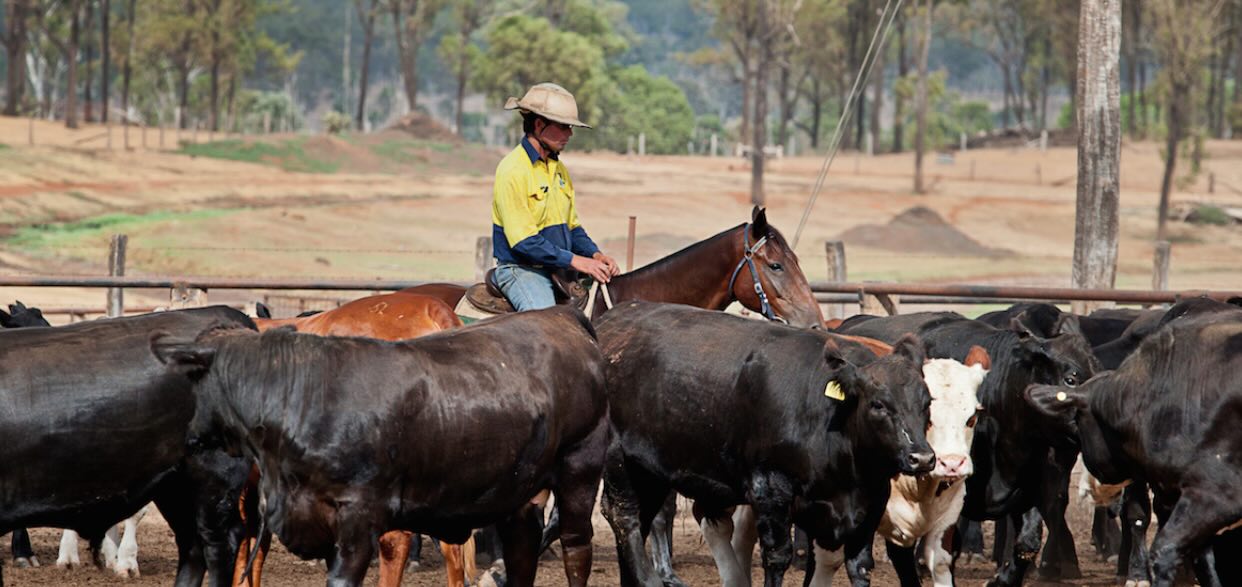
A Livestock Hand/ Pen Rider at Smithfield Cattle Company's Sapphire Feedlot near Goondiwindi, QLD. See the latest jobs at Smithfield
These jobs focus on ensuring cattle receive the correct ration each day.
Common roles include:
Grain handlers
Feedlot cattle are fed precise grain rations designed by nutritionists, so accuracy and consistency are important in these positions.
Workers often operate:
mills and grain augers
mixing equipment
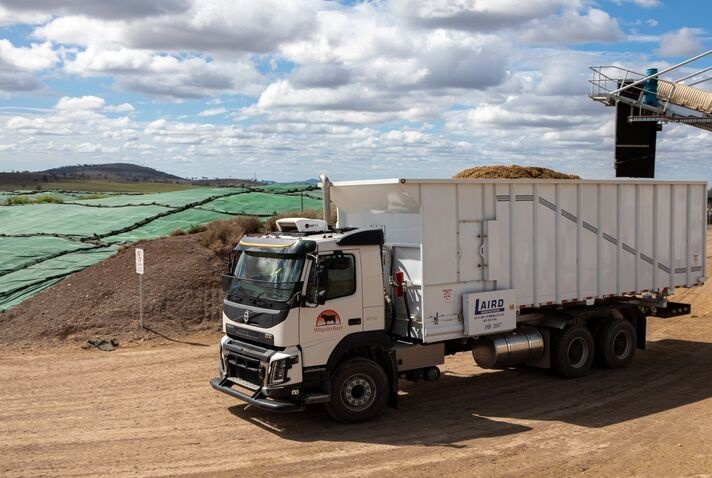
A Truck Driver at NH Foods Whyalla Feedlot near Texas, QLD. See the latest jobs at NH Foods
Feedlots are large industrial agricultural operations, so they require ongoing maintenance.
Roles in this area include:
Fencers and yard builders
Water system technicians
Typical tasks might include:
repairing pens and fencing
maintaining water systems and troughs
servicing machinery and vehicles
maintaining feedlot infrastructure
Many feedlots also grow their own feed crops and operate large farming programs.
Jobs can include:
Irrigation operators
Silage and hay operators
Alongside these roles there are also opportunities in:
logistics
livestock procurement
graduate and trainee programs.
maintenance/ Infrastructure - Trades such as Electricians, Plumbers, Boliermakers, Fabricators and Carpenters.
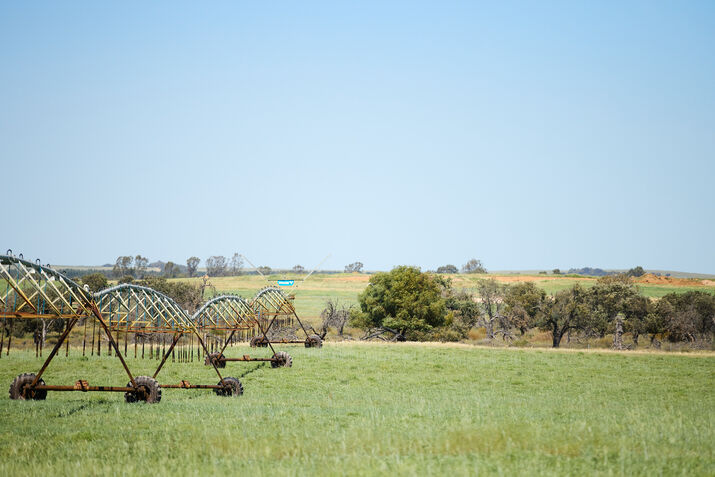
Irrigation at Harvest Road's Koojan Downs Feedlot at Moora, WA. See the latest jobs at Koojan Downs
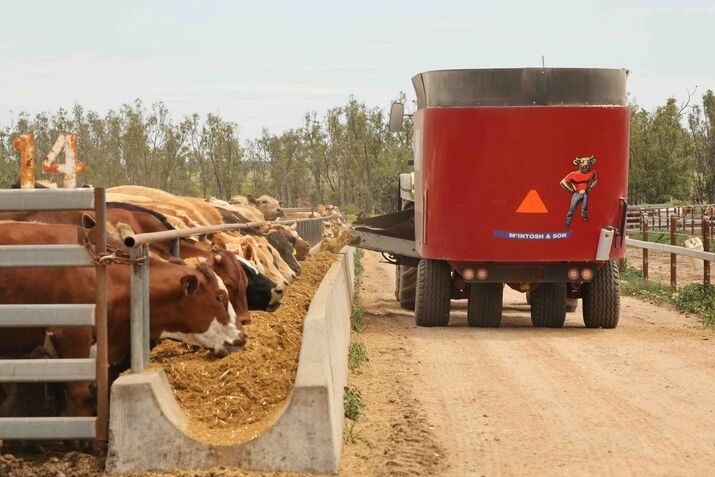
A Tractor Driver with Feeder at Gibson Grazing's feedlot near Dalby, QLD. See the latest jobs at Gibson Grazing.
Feedlot work is practical, physical and team-based.
A typical day might involve:
early starts
working outdoors in all weather
handling livestock
operating machinery
maintaining infrastructure
Livestock crews often work roster systems such as 10 days on / 4 days off, depending on the operation.
While the work can be demanding, it also offers:
stable year-round employment
structured teams and training
opportunities to develop livestock and machinery skills
Many feedlots provide accommodation and meals on site for staff working remotely.
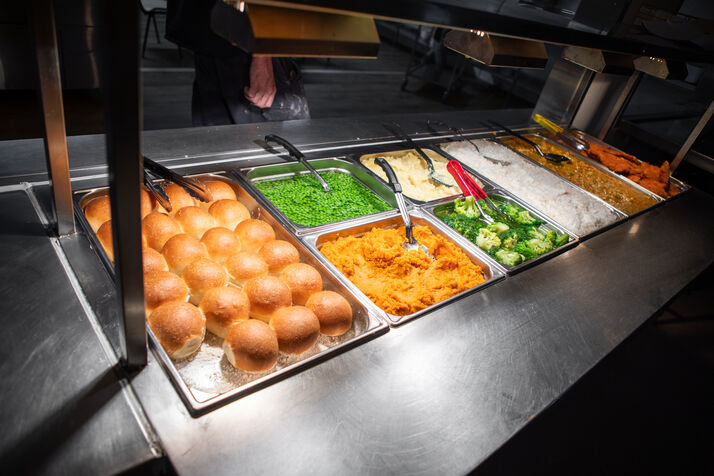
Cafetaria at NH Foods Whyalla Feedlot near Texas, QLD. See the latest jobs at NH Foods
People who thrive in feedlot roles usually have:
a strong work ethic
practical problem-solving skills
confidence around livestock
good teamwork and communication
physical fitness
attention to animal welfare and safety
Some feedlots also offer formal training such as the Certificate III in Feedlot Operations, helping staff build long-term careers in the sector.
Feedlots can offer excellent career pathways.
Many workers start as:
general hands
livestock crew members
From there they can progress into:
leading hand roles
supervisors
livestock managers or nutrition specialists.
With Australia’s grain-fed beef industry continuing to grow, experienced feedlot workers are always in demand.
If you’re keen to work in the feedlot sector, you can view current opportunities here:
👉 https://rfttejobs.com/jobs/?categories[]=Feedlots
You’ll find roles across Queensland, New South Wales, Northern Territory, Victoria and Western Australia, ranging from entry-level livestock hands through to experienced pen riders and machinery operators.
Feedlot work offers a great pathway into the beef industry and a chance to develop valuable livestock and agricultural skills while working with a strong team.
If you enjoy cattle (and horses if you're a Livestock Hand/ Pen Rider), machinery and practical work, a feedlot job might be exactly what you’re looking for.
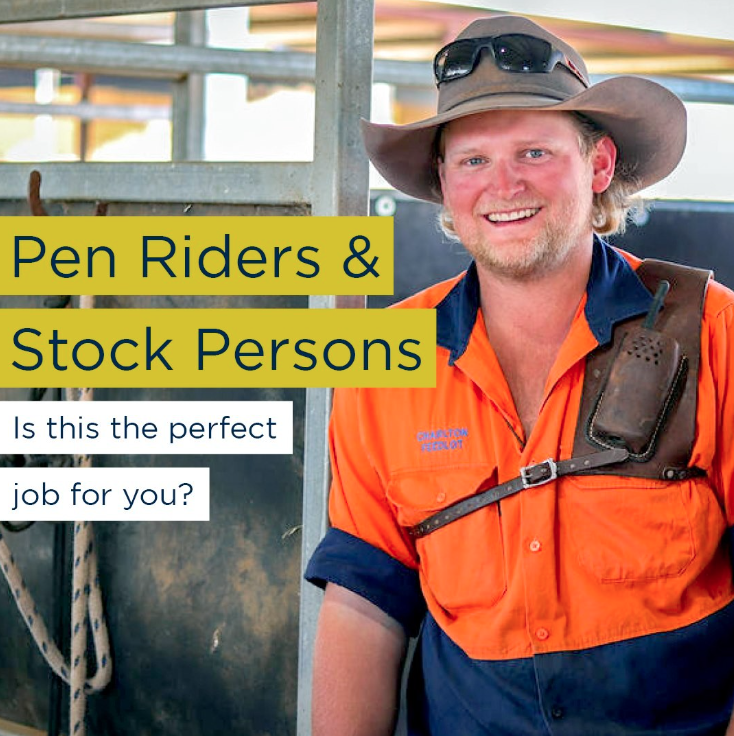
A Pen Rider/ Livestock Hand at TEYS | See the latest jobs at TEYS