Cattle Station Relocation Tips: From the UK to Outback WA
A Geography degree, three hours of horse riding lessons and a willingness to give things a go. That was part of the luggage Cosmo Waddell brought from England to a cattle station in Western Australia.
For the 24-year-old from Northumberland, a season at Yalleen Station meant learning to handle cattle, weld, fit tyres and ride a horse with a few ideas of his own. There were rodeos, campdrafts, frogs in the bathroom and landscapes unlike anything he had seen before.
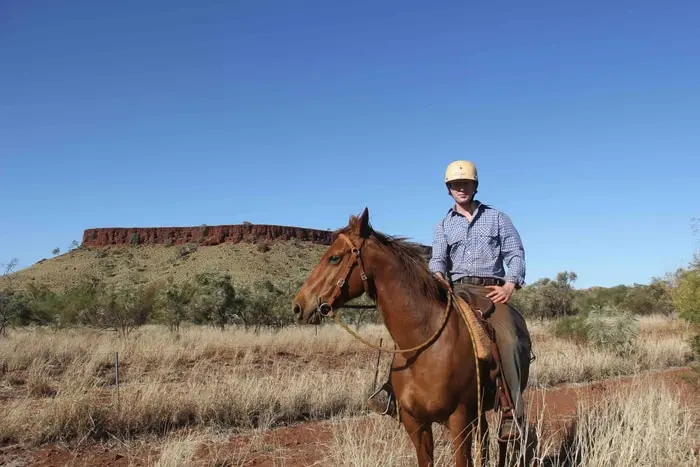
Pictured above: Cosmo with Clone, his horse for the season at Yalleen Station. For someone who arrived in Australia unable to ride, they had quite the adventure ahead.
If you’re considering cattle station relocation, whether from another Australian state or halfway around the world, Cosmo’s experience offers a glimpse of the adventure ahead — and a few useful lessons about making the move.
From university to the Australian outback
Before coming to Australia, Cosmo was a Geography student at Newcastle University. He grew up in Northumberland, England’s most north-easterly county, but a family connection had already sparked his interest in life on an Australian cattle station.
His mum’s side of the family is related to the Percy family, and visits from Donald Percy brought stories of growing up at Williambury Station and later running a helicopter mustering business.
“Hearing his stories … gave me an awareness of outback station life and a curiosity towards it.”
— Cosmo Waddell
Eventually, curiosity became a plane ticket. Cosmo was travelling on a subclass 417 Working Holiday visa and had a job arranged before leaving the UK.
“I rather impulsively decided one morning that I was going to Australia,” he says.
Two weeks later, he landed in Perth and headed straight to the Gingin Campdraft to meet the Percy family and get an introduction to Australian country life — with some Swan Draught thrown in.
Finding a cattle station job without station experience
Cosmo’s pathway into Yalleen wasn’t a conventional job application. After working as an agricultural machinery operator in Australia, he was ready for a change.
He contacted Michael Percy, whom he had met at the Gingin Campdraft, to ask where someone without station experience might find a start.
Instead of simply suggesting places to apply, Michael offered Cosmo a position in his own stockcamp at Yalleen.
“I couldn’t believe my luck!” Cosmo recalls.
His experience highlights the value of getting involved, meeting people and being upfront about what you can do and what you still need to learn. His machinery background gave him practical experience to bring to the team, even though cattle station work was new territory.
If you’re looking for your own start, read our guide to how to get a job on a cattle station and browse the Station Hands job category. Check each advertisement for experience, availability and work rights requirements before applying.
Do you need to know how to ride?
Not every cattle station role has the same requirements, so check with the employer before applying. In Cosmo’s case, he arrived in Australia unable to ride a horse — and couldn’t imagine that he ever would.
Before heading to Yalleen, he squeezed in around three hours of riding lessons so he wouldn’t be starting completely from scratch.
Then he met Clone, his horse for the season.
Their early Sunday riding sessions involved some negotiation. Clone was rather more interested in standing near the arena exit than following his new rider’s instructions. By the first muster, though, Cosmo felt he was making a fair fist of it.
His growing confidence took a knock at the Winning Gymkhana. A pole-bending attempt became a flat gallop when Clone took off, carrying Cosmo towards the other competitors in front of the spectators.
His next event that day was, fortunately for everyone involved, on foot.
The takeaway for newcomers? Be honest about your experience, ask what training is available and follow the team’s instructions. A willingness to learn matters, but it helps everyone when your employer knows your starting point.
Settling into a very different landscape
Cosmo found settling into station life relatively straightforward. Getting his head around the landscape was another matter.
The red, rocky country was unlike anything he had seen before. He describes Yalleen as around one million acres — a scale he found baffling after growing up in England.
Then there were the housemates.
“The near daily encounters with pythons and sharing a bathroom with frogs did take some getting used to...”
— Cosmo Waddell
It’s a reminder that moving to a station means getting used to a new home as well as a new job. For Cosmo, the unfamiliar scenery and wildlife became part of an experience a long way from Northumberland.
More than mustering: learning on the job
One of the biggest rewards of Cosmo’s season was the range of skills he picked up.
“Everyone at Yalleen was more than happy to teach,” he says.
Alongside cattle handling, he gained experience in welding and tyre fitting. He even learned to trim horses’ hooves — something he had never imagined himself doing.
For someone considering a cattle station job with limited experience, that willingness to teach is something to discuss during the application process. Ask which skills you need on arrival, what you can learn on the job and who will show you the ropes.

Rodeos, campdrafts and having a crack
Some of Cosmo’s favourite memories came from heading to rodeos and campdrafts, meeting people from other stations and getting immersed in outback culture.
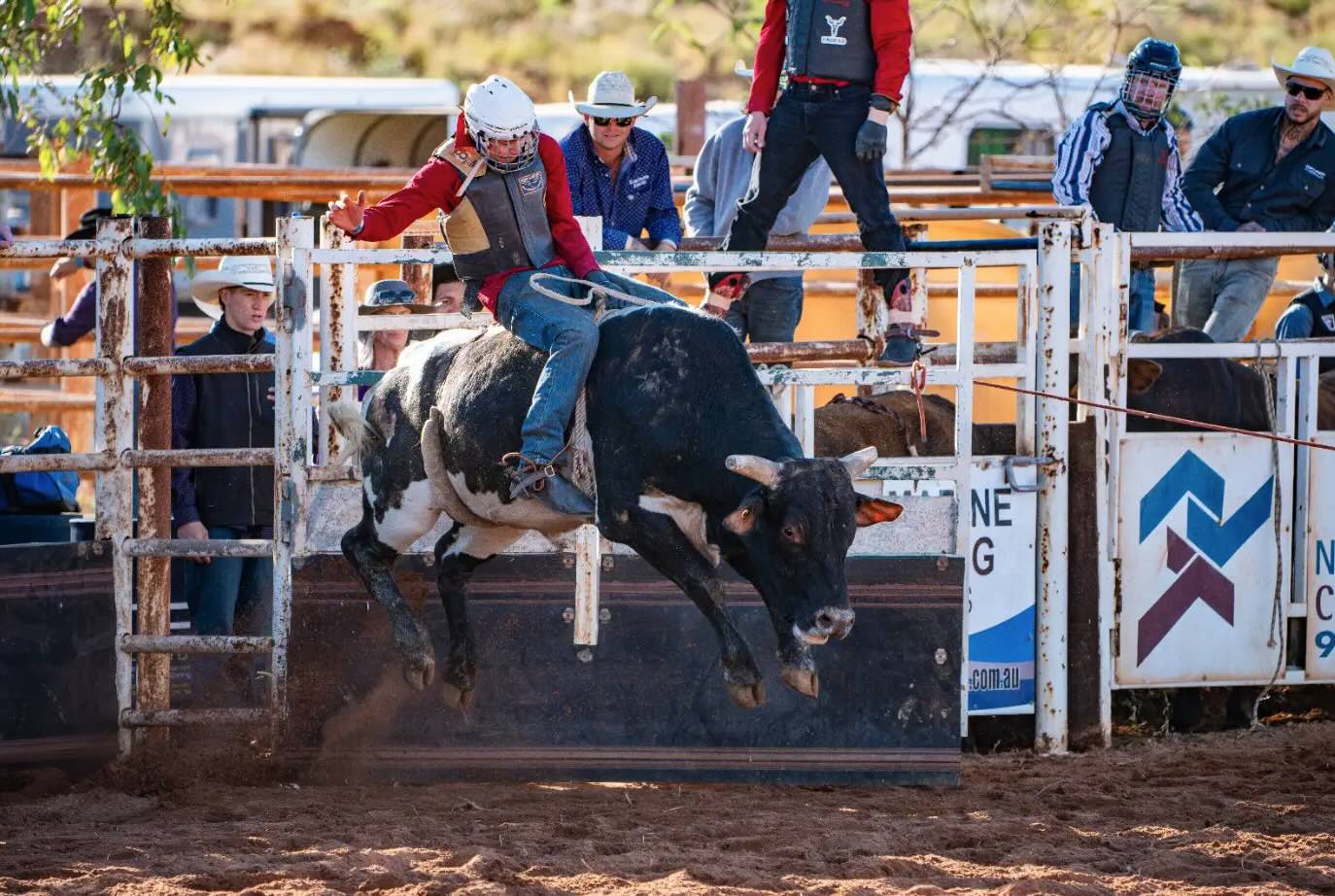
Watching bulldogging left him in disbelief. Bull riding, somehow, seemed like something to try.
After riding steers at a training day, a comment from Reg Percy that they were “just for kids” helped set the scene for an appearance in the Novice Bull Ride at Onslow Rodeo.
“To my parents’ horror, I was foolhardy enough to have a crack at bull riding,” Cosmo says.
He also tried campdrafting, which he found enormously enjoyable, and was delighted to earn an outside score on his second attempt.
The toughest adjustment? The heat
For all the good memories, Cosmo is clear that station life had its challenges.
The toughest were mustering days towards the hotter end of the season, when temperatures reached the high 30s and there was little escape from the sun.
His description of drinking warm water from a CamelBak will sound familiar to plenty of people who have worked through a hot day in the bush.
If you’re relocating from a cooler climate, discuss the conditions and the station’s heat-management procedures before starting. Ask what clothing and equipment to bring, and follow the team’s guidance on water, rest and working in the heat.
Cattle station relocation: travel, packing, pay and accommodation
Whether you’re coming from the UK or moving interstate, a little planning makes heading bush much easier. Before booking your travel, speak with your employer about getting there, what to pack and how you’ll live and work.
Getting to a remote station
Flying into Perth, Darwin or another major centre may only be the first leg. You might need a regional flight, a bus trip or a long drive to reach the property. Confirm the nearest airport or town, whether a station pickup is available and who pays for each part of the journey.
If you’re driving, ask about road conditions, vehicle suitability and directions before setting off. Allow for weather delays and limited phone reception, and agree on how you’ll let the station know your arrival time or any changes to your plans.
What to bring
Ask the station for its packing list before buying gear. Start with suitable work boots, long-sleeved shirts, jeans, a broad-brimmed hat, sunscreen, a sturdy water bottle and warm layers for cool mornings. Check whether you need bedding, towels or a swag, and bring your personal essentials.
Confirm what protective equipment the employer supplies and any luggage limits if you’re flying. Read our Cattle Station Packing List: What to Bring for a detailed checklist, and visit the Tack Shed for gear suggestions.
What does the pay look like?
There’s no single standard station wage: offers vary with the role, experience, responsibilities and employment arrangements. Before accepting, get the pay, expected hours, roster, superannuation and any accommodation or meal charges confirmed in writing.
Ask whether the advertised figure is an hourly rate, weekly wage or annual salary, and how additional hours are handled. Knowing the full package makes it easier to budget for your move. For more detail, read How Much Do You Get Paid on a Cattle Station?
Where will you live?
Many station roles offer on-property accommodation and meals, but arrangements vary. You could have your own room with shared facilities, share accommodation with other staff or spend time camping out during mustering.
Ask what’s included, whether there are any charges, and what to expect for bathrooms, laundry, meals, phone reception and internet. If you’re moving with a partner, family or pet, confirm suitable arrangements before accepting the job.
Moving interstate for a cattle station job
You don’t need to cross an ocean to experience a big change. Moving from NSW, Victoria or another part of Australia to a remote station in WA, the NT or Queensland can still involve several days of travel. Compare the cost of driving your own vehicle with flying and arranging a pickup, allow time for rest stops and overnight stays, and budget for the journey before your first pay. Confirm whether you’ll need your own transport for time off or trips into town.
If you’re taking a vehicle, ask whether it’s suitable for the station’s access roads and where you can park or store it. If you hope to bring a dog, get the employer’s approval before making plans — don’t assume that a working dog or pet will be welcome. Discuss accommodation, kennelling and property rules, and check any current requirements that apply when moving your dog or vehicle between states or territories.
Timing matters too. Ask how the property’s wet and dry seasons affect recruitment, road access and your start date, particularly if you’re heading north. Confirm access conditions with the station shortly before departure, keep your travel plans flexible where possible and ask what happens if rain delays your arrival. For a broader introduction to roles, seasonal recruitment and remote living, read our Ultimate Guide to Outback Jobs in Australia.
Before you head bush: Confirm your start date, travel arrangements, employment terms and packing list with the station. Overseas applicants should also check their visa and work rights with the Australian Department of Home Affairs before committing to travel.
Would Cosmo recommend making the move?
After mustering finished, Cosmo headed home to England with a collection of experiences a long way removed from university life in Northumberland.
“I’d really encourage people from overseas to get into station work, it is a fantastic experience that you’ll never forget.”
— Cosmo Waddell
His advice to other overseas jobseekers is to put themselves out there through station jobs Facebook groups. He had used similar groups to find harvesting roles and recommends making yourself known.
For Australians moving interstate, the same practical approach applies: research the role, speak with the employer, organise the journey and arrive ready to listen and learn.
You might be bringing machinery experience, a trade or simply an interest in getting started. The key is finding a role that matches your skills and a team that understands where you’re starting from.
Cattle station relocation FAQs
Do I need a visa to work on a cattle station?
If you’re coming from overseas, you need immigration status that allows you to do the proposed work in Australia. Cosmo used a subclass 417 Working Holiday visa, but your circumstances may be different. Check your eligibility and conditions with the Department of Home Affairs and make sure the employer accepts applicants with your work rights.
Who pays for travel to the station?
Travel arrangements vary between employers: you may need to cover your own journey, or the employer may offer a pickup or travel assistance. Confirm exactly what is covered, including the final leg to the property, before booking. Get any reimbursement arrangements and conditions in writing.
What should I pack for a cattle station job?
Start with practical work clothing, suitable boots, a hat, sun protection, a large water bottle, toiletries and personal essentials. Ask whether bedding, towels, a swag or specialist equipment are required before buying or packing them. Use our Cattle Station Packing List alongside the employer’s own list.
Can I move interstate without station experience?
Yes, if you secure a role that suits beginners and the employer understands your experience level. Be honest about your skills, ask about training and supervision, and confirm the job and living arrangements before travelling. Machinery, maintenance, trade or other practical experience may also be useful.
Can I bring my vehicle or dog?
Ask the station before making travel arrangements, and get clear approval for any dog you plan to bring. Confirm that your vehicle is suitable for the access roads and discuss parking, pet accommodation and property rules. Check any current interstate requirements relevant to your journey.
Are accommodation and meals included?
Many station jobs offer accommodation and meals, but you should check the details of each role. Ask whether they are provided at no charge or involve deductions, and whether you’ll have a private room or shared facilities. Confirm the full package in writing before accepting.
Ready to find your start in station life?
Browse the Station Hands jobs on RFTTEJOBS.com, check the experience and work rights required, and talk to employers about making the move. Your next chapter could start beyond the station gates.