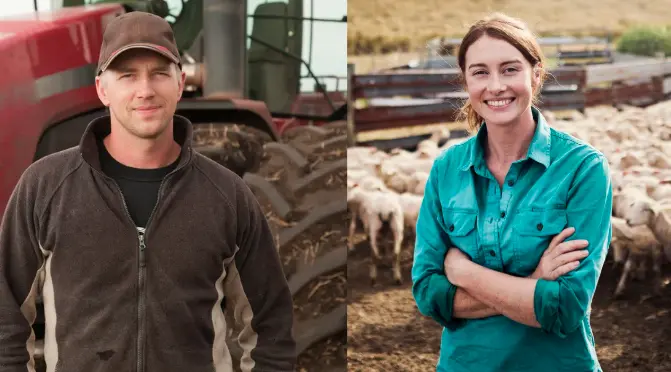
Looking for farm jobs in Australia? Australia’s national farming industry is a vital part of the country’s economy and culture. The ag industry is a rewarding sector for job seekers, offering a range of agricultural careers and job opportunities. Whether you’re after seasonal farm work, fruit picking jobs, or other rural jobs in Australia, this guide covers everything you need to know. Farm jobs in Australia present an exciting opportunity for those seeking growth, adventure, and a dynamic work environment. You’ll learn where to find jobs, what types of roles are available, who can apply, and tips to get hired — perfect for locals and farm jobs backpackers alike.
Whilst many of the roles advertised on RFTTEJOBS.com are permanent roles, we do advertise WHV eligible roles from time to time - please check the ad.
Australia’s agriculture industry is a cornerstone of the nation’s economy, offering a diverse range of farm jobs and agricultural careers for job seekers across the country. From the vast cropping farms of Victoria to the thriving dairy farming operations in New South Wales and the innovative horticulture businesses in Western Australia, there are countless opportunities for those looking to start or advance their career in farming. Whether you’re interested in livestock work, managing a family-owned farm, or joining a dynamic team in agribusiness, the sector is known for its commitment to sustainable practices and forward-thinking innovation. Leading recruiters like Agri Labour Australia connect job seekers with a wide variety of agriculture jobs, helping to match top talent with positions that suit their skills and ambitions. With roles available in everything from animal care to farm management, Australian agriculture is an exciting and rewarding industry for anyone seeking meaningful employment and a fulfilling career.
Farm jobs in Australia are more than just work — they’re an opportunity to:
Gain practical skills and work experience in agriculture
Explore rural areas and the Australian outback
Earn money during seasonal peaks, often with accommodation provided
Meet new people and enjoy a unique lifestyle
Many Australian farms emphasise a supportive work environment with a family feel, fostering camaraderie and a sense of belonging among workers and management alike.
Whether you’re planning seasonal farm work or looking for long-term rural jobs in Australia, these positions offer variety, adventure, and valuable life skills.
Harvesting apples, oranges, strawberries, mangoes, and more
Often seasonal, with peak periods in spring and summer
Roles can include packing, sorting, and transporting produce
Working in the packing shed, sorting and packing fresh fruit and vegetables for market
Horticulture roles, such as fruit picking and packing shed work, are popular with working holiday makers and are often in high demand.
Working with cattle, sheep, and other livestock
Tasks include mustering, feeding, fencing, and general station maintenance
Farm hands often assist with livestock care and station maintenance, supporting farm operations as part of a collaborative team
Available on outback cattle and sheep stations
Operating tractors, graders, harvesters, and other farm machinery for broad-acre farming operations, where skilled workers are needed to handle heavy machinery
Roles may include repairs, irrigation maintenance, or workshop duties
Broad-acre farming in Australia relies on experienced operators for tractors and harvesters.
Packing fruit and vegetables, preparing produce for markets
Assisting with logistics, cold storage, or farm administration
Ideal for students, travellers, and backpackers
Includes fruit picking, pruning, shearing, and harvesting
Accommodation may be included on-site
Many working holiday makers seek seasonal farm work to accumulate visa days, as completing 88 days of specified work in regional areas can qualify visa holders for a second or third-year visa extension.
Locals and Residents: Full-time and part-time roles are open to Australian citizens and permanent residents
Backpackers / Working Holiday Makers: Many seasonal roles welcome international workers with the correct visa
Experience Requirements: Some positions are suitable for entry-level farm hands, while others require experienced farm hands for a long-term role. Experienced farm hands are valued for their ability to handle machinery operation, livestock management, and general farm duties, often working as part of a supportive team. Many farms also provide on-the-job training for those new to the industry.
Entry-Level Requirements: Key requirements for entry-level farm jobs include physical fitness, the right to work on an appropriate visa, and basic English communication skills.
Driver’s License: A valid driver's license is often required for farm jobs, and holding a heavy vehicle license can be an advantage for roles involving larger machinery.
Succeeding in farm jobs and agriculture jobs across Australia requires a blend of practical skills, the right attitude, and, for some roles, formal qualifications. Whether you’re aiming for a hands-on role in New South Wales, exploring opportunities in the Northern Territory, or seeking seasonal work in Western Australia, employers look for certain qualities in their farm workers.
For many agricultural careers, being physically fit and able to handle the demands of outdoor work is essential. Job seekers with a strong background in mixed farming operations, dairy farming, or cropping operations are highly valued, especially for positions on cattle stations or in food production. Experience with modern machinery and a solid understanding of animal welfare practices can set you apart, particularly in roles that involve livestock or large-scale harvesting.
Agri Labour Australia and other leading recruitment agencies often seek candidates who are reliable, adaptable, and have strong communication skills. The ability to work well in a team and a willingness to learn are important, especially for those new to the ag industry or for working holiday visa holders looking to gain experience in regional Australia. Many seasonal positions and harvest positions offer on-site accommodation and provide award wages, making them attractive for those looking to manage living expenses while working.
For entry-level roles, prior experience isn’t always necessary; many farms offer training and support to help you develop the skills needed for the job. However, for more advanced positions, such as farm manager or specialist roles, employers typically require relevant qualifications and a proven track record in the industry.
No matter your background, there’s a wide range of jobs available, from general farmhand roles to specialised positions in mixed farming or food production. Whether you’re seeking a full-time position, part-time work, or a seasonal job type, finding the right fit is key to building a rewarding career in Australian agriculture.
If you’re ready to join a supportive team and enjoy working in a dynamic, growing sector, consider connecting with agencies like Agri Labour Australia. With the right skills, attitude, and a willingness to learn, you can thrive in the world of farm jobs and contribute to Australia’s vital food production industry.
Online Job Boards: We might be biased, but we suggest RFTTEJOBS.com… they list farm jobs across all States and Territories! When searching, pay close attention to the location of each job to ensure it fits your logistics and accommodation needs. Farm work job seekers can find opportunities on both general job boards and specialised agricultural recruitment sites.
Seasonal Work Programs: Many backpackers use schemes like the Working Holiday Visa to qualify for extended work
Networking: Ask local farmers or stations directly; personal references often help
Recruitment agencies and job boards help connect top talent with employers in the agriculture sector. Job availability can be year-round in intensive industries like poultry and dairy, or seasonal for harvest-related jobs.
Tips for Getting Hired:
Tailor your resume and cover letter for each farm role
Highlight any previous farm, packing, or machinery experience
Be flexible with locations and work hours
Being an early applicant and applying promptly can increase your chances of securing the position
Farm jobs in Australia come with a variety of work schedules and arrangements to suit different lifestyles and career goals. Many farming businesses offer full-time permanent work, providing job seekers with stability, competitive pay, and the chance to be part of a great team environment. For those seeking flexibility, there are also plenty of seasonal and short-term positions, especially during busy harvest periods. Farm managers often work regular hours overseeing daily operations, while farm hands and other team members may have shifts that vary depending on the needs of the farm. Agri Labour Australia specialises in helping job seekers find farm jobs that match their preferences, whether they’re looking for hands-on experience in a dynamic team or a long-term position with opportunities for career growth. No matter the arrangement, working in Australian agriculture means joining a supportive team and gaining valuable skills in a thriving industry.
The daily tasks and responsibilities on Australian farms are as varied as the industry itself. Farmhands on cropping farms might spend their days operating farm machinery like tractors and chaser bins, assisting with planting, spraying, and harvesting crops. Those involved in livestock work focus on animal care, feeding, and maintaining the health and welfare of cattle, sheep, or other animals. Farm managers oversee the entire farming business, making key decisions about crop rotation, resource allocation, and the smooth running of daily operations. In horticulture, workers are hands-on with planting, pruning, and harvesting fruits and vegetables, while roles in agribusiness might involve transport, logistics, and managing the supply chain. Every job, from entry level to management, plays a vital part in the success of the farm and the broader Australian agriculture industry.
Building a farming career in Australia opens the door to a wide range of opportunities for growth and advancement. Agri Labour Australia and many leading farming businesses offer training and development programs designed to help farm workers expand their skills and move up the career ladder. With experience, it’s possible to progress from hands-on roles to supervisory or farm manager jobs, or to specialise in areas like agricultural science, agronomy, or business management. The Australian agriculture industry is dedicated to attracting and retaining top talent, providing incentives, ongoing training, and clear pathways for career progression. Whether you’re just starting out or looking to take your career to the next level, the industry offers a dynamic and supportive environment where you can develop your expertise and achieve your professional goals.
Q: Are farm jobs in Australia suitable for backpackers?
A: Yes. Many seasonal farm jobs welcome backpackers, especially for fruit picking and harvest work - be sure to check the ad to see if it is open to backpackers.
Q: Do farm jobs include accommodation?
A: Some farms provide accommodation, particularly for seasonal workers. Always check the job listing.
Q: What skills do I need for farm work?
A: Physical fitness, reliability, and a willingness to work outdoors are key. Farms look for reliable individuals for farm worker and farm hand roles, as trustworthiness and consistency are essential. Some roles require machinery experience or animal handling skills.
Q: What does farm work involve?
A: Farm work often includes physical labour, such as planting, harvesting, livestock care, and machinery operation. It also involves supporting the daily operation of the farm to ensure smooth management and productivity.
Q: Can I work on a farm if I’m not an Australian citizen?
A: Yes, if you hold the appropriate visa, such as a Working Holiday Visa, which allows legal work in Australia.
Farm jobs in Australia offer adventure, skills, and opportunity. The ag industry provides a wide range of job opportunities, from seasonal harvest roles to full-time positions, making it an exciting sector for anyone looking to start or advance their career. Whether you’re seeking fruit picking jobs, seasonal farm work, or longer-term rural jobs in Australia, there’s a role for you.
Start exploring opportunities today on RFTTEJOBS.com and prepare to experience life on the land, earn money, and make memories that last a lifetime.